

Why the Modern Handyman Needs a Business‑First Mindset
When I first started pulling nails and fixing leaky faucets, I was chasing the pure satisfaction of solving a problem with my hands. Decades later, I’m still doing the same work, but the landscape has shifted. The tools in my toolbox have become smarter, the expectations of my clients have evolved, and the economics of “just fixing something” have been replaced by a strategic view of maintenance as a revenue driver. In this post I’ll walk you through how a handyman can transition from a reactive fixer‑upper to a proactive asset manager, and why that shift is the most profitable upgrade you can make this year.
The Economics of “Fix‑It‑Later” Are Outdated
Traditional handyman work is built on a “break‑fix” model: a client calls, something’s broken, you show up, fix it, and move on. That model has a few hidden costs that most contractors overlook:
- Opportunity cost. Every emergency call blocks out time that could be spent on higher‑margin projects such as retrofitting a home for energy efficiency.
- Customer churn. Clients who experience repeated failures often look for a new service provider, eroding lifetime value.
- Higher material markup. Urgent repairs typically command a premium on parts because the client wants the fix yesterday.
By flipping the script—shifting from reactive to proactive—you can lock in recurring revenue, smooth out your schedule, and position yourself as a strategic partner rather than a one‑off vendor.
Building a Recurring Maintenance Program
Think of a maintenance program as a subscription service for the physical health of a property. The core components are:
- Assessment. Conduct a comprehensive audit of the building’s systems: plumbing, electrical, HVAC, roofing, and even the less glamorous elements like door hinges and caulking.
- Prioritization. Rank items by risk, cost of failure, and impact on occupant comfort. This is where data‑driven decision making starts to creep into the handyman’s world.
- Scheduling. Set up quarterly or bi‑annual visits that align with the client’s operational calendar. Use a simple online calendar or a SaaS platform that sends automated reminders.
- Reporting. Deliver a concise report after each visit, highlighting what was done, what’s next, and the financial benefit of avoiding a major repair.
This structure not only creates a predictable cash flow but also gives you a legitimate reason to upsell value‑adding services—think smart thermostat installation, low‑flow fixtures, or even Waterproofing as a Service for basements that are prone to seepage.
Leveraging Smart Tools Without Going Full‑Scale Tech
You don’t need to become a data scientist to bring technology into your handyman business, but a few low‑cost gadgets can dramatically improve efficiency and credibility:
- Bluetooth moisture meters. Detect hidden water intrusion behind drywall before it becomes a mold issue.
- Thermal imaging cameras. Spot insulation gaps, failing electrical connections, and even pipe leaks without tearing open walls.
- IoT leak detectors. Small, battery‑powered sensors that alert you (and the homeowner) the moment a pipe starts to drip.
When you present these findings, frame them in business terms: “This leak will cost $X per month in water waste and could lead to $Y in structural repairs if left unchecked.” By translating technical data into ROI, you position yourself as an advisor, not just a tradesperson.
Integrating With Larger Building Trends
Even as a solo handyman, you operate within an ecosystem of building innovation. Projects like The Rise of Intelligent Drywall are turning walls into data hubs that monitor humidity, temperature, and structural strain. While you may not be installing these systems today, understanding how they work enables you to:
- Identify retrofit opportunities for older properties.
- Speak the same language as architects and facility managers who are already using these technologies.
- Offer maintenance services that keep these smart layers functioning—think firmware updates, sensor cleaning, and calibration.
In other words, you become the bridge between cutting‑edge building tech and the everyday reality of keeping a property functional.
Creating a “Handyman Brand” That Stands Out
Branding isn’t just for agencies; it’s essential for any service business that wants to command premium pricing. Here are three branding pillars that work particularly well for handymen:
1. Reliability as a Metric
Publish a “First‑Time‑Fix Rate” on your website. If you fix a problem on the first visit 92 % of the time, shout it from the rooftops. Reliability reduces the client’s need for a backup contractor and justifies a higher retainer.
2. Transparency in Pricing
Offer a clear price list for routine tasks (e.g., “Replace a faucet – $120”) alongside a “Custom Project Quote” form. Transparent pricing eliminates the “surprise bill” anxiety that drives many small‑business owners to switch providers.
3. Educational Content
Write short, actionable blog posts or record 2‑minute videos that explain why a homeowner should seal a window annually, or how a simple pipe insulation upgrade can cut heating bills by up to 15 %. This positions you as an educator, not just a fixer.
Scaling Without Losing the Personal Touch
If the recurring maintenance model works, you may find yourself at capacity. Scaling can be as simple as hiring a junior handyman and giving them a playbook based on your proven processes. Key elements of that playbook include:
- Standardized inspection checklists with photos.
- Pre‑written email templates for reporting and upselling.
- A shared digital calendar that syncs with client reminders.
The goal is to replicate your “hand‑crafted” quality at scale. By codifying your methods, you preserve the personal touch while expanding your service footprint.
Case Study: Turning a Small Office Building into a Low‑Maintenance Asset
A local co‑working space approached me after a series of HVAC failures that disrupted their operations. Here’s how the maintenance program transformed their experience:
- Initial Audit. I discovered three aging refrigerant lines, undersized pipe insulation, and a roof that had several cracked flashings.
- Prioritized Fixes. The roof repairs were tackled first because water ingress was the most immediate risk to equipment.
- Quarterly Visits. Each visit included a thermal scan of the roof, a moisture meter reading on the ceiling tiles, and a visual inspection of all HVAC components.
- Result. Within six months, the building’s HVAC downtime dropped from an average of 8 hours per month to less than 1 hour, saving the client an estimated $4,800 in lost productivity.
The client subsequently signed a two‑year maintenance contract, providing me with a stable revenue stream and giving them peace of mind. This is the power of shifting from “fix‑it‑once” to “maintain‑it‑forever.”
Future‑Proofing Your Handyman Toolkit
Looking ahead, a few trends will shape the handyman trade:
- Modular repair kits. Pre‑packaged kits for common failures (e.g., a “faucet overhaul kit” that includes O‑rings, a new aerator, and a quick‑install shut‑off valve).
- Subscription‑based parts inventory. Services that deliver consumables (sealants, filters, batteries) on a scheduled basis, ensuring you never run out during a job.
- AI‑assisted diagnostics. Mobile apps that use image recognition to suggest probable causes for a problem (e.g., “cracked plaster likely indicates water intrusion”).
Adopting these innovations early puts you ahead of the curve, allowing you to market yourself as the “handyman of tomorrow” while still delivering the hands‑on craftsmanship that clients value.
Action Plan: 7 Steps to Launch Your Maintenance Subscription
- Identify Target Clients. Focus on properties with high operational costs—small offices, multi‑unit residential buildings, and boutique retail spaces.
- Create a Standard Audit Template. Include sections for plumbing, electrical, HVAC, roof, and exterior envelope.
- Develop Tiered Packages. Offer a “Basic” tier (quarterly inspections), a “Standard” tier (quarterly plus minor repairs), and a “Premium” tier (full‑service with parts included).
- Price for Value. Calculate the average cost of emergency repairs your clients face and price your subscription at a fraction of that, emphasizing saved downtime.
- Automate Scheduling. Use a simple SaaS calendar that sends reminders to both you and the client.
- Produce a One‑Page Report Template. Include photos, work completed, and a “next steps” recommendation with cost estimates.
- Launch with a Pilot. Offer the service to two or three existing clients at a discounted rate in exchange for testimonials.
Follow these steps, and you’ll have a repeatable, scalable business model that transforms every job into a relationship, not a transaction.
Conclusion: The Handyman as a Strategic Partner
In the age of smart buildings and data‑driven facilities, the traditional handyman role is being redefined. By embracing a subscription‑based maintenance mindset, integrating affordable smart tools, and positioning yourself as a trusted advisor, you can unlock higher margins, stronger client loyalty, and a future‑proof business.
If you’re ready to make the leap, start with a single property audit, package your findings into a clear proposal, and watch how the conversation shifts from “What’s broken?” to “How can we keep it running better?” The tools are in your hands—now it’s time to use them strategically.

Craig Brett is a freelancer with a passion for the outdoors. His love for nature inspires his work, bringing authentic and engaging perspectives to projects related to outdoor activities, adventure, and environmental topics.
Related Posts
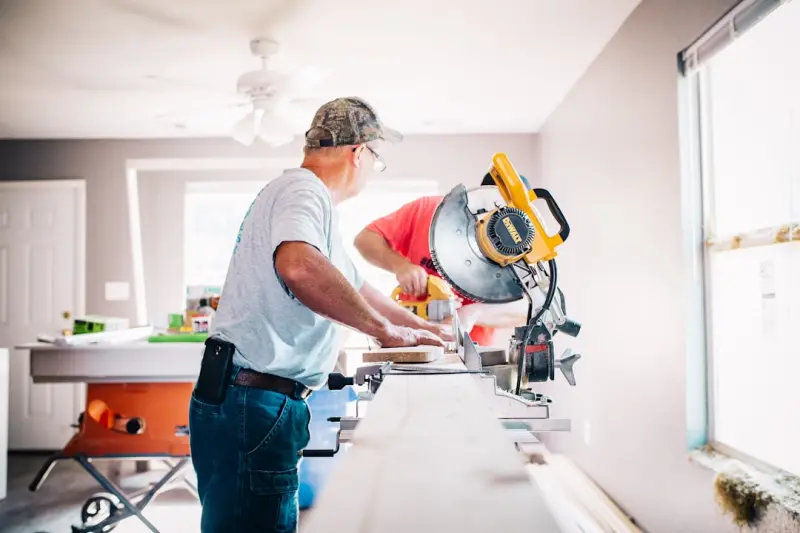
Green Handyman Practices: Sustainable Fixes for Modern Homes
A handyman’s role is evolving beyond quick fixes to include sustainable practices that reduce wast... Read More

The Handyman’s Guide to Digital Efficiency: Boosting Profits with Tech
Learn how modern handymen can harness scheduling software, mobile payments, and digital inventory to... Read More
The Handyman’s New Role as a Tech‑Savvy Home Ally
Today's handyman is a tech‑savvy consultant who uses remote diagnostics, AR overlays, and data‑d... Read More
Top Posts

The Ultimate Home Renovation Checklist: Paul Gray's Essential Guide
Paul Gray shares his essential home renovation checklist. Discover how to plan, budget, find the right contractors, navigate permits, and manage your project fo...Read More

The Untapped Business Power of Smart Awnings
A deep dive into how smart, sustainable awnings transform storefronts into data‑driven branding assets, improve energy efficiency, and drive foot traffic....Read More

Reimagining the Bathroom: A Wellness‑First, Tech‑Enabled, Sustainable Renovation Blueprint
A modern bathroom can be more than a functional space—it can serve as a wellness sanctuary. This guide outlines how to integrate human‑centric design, smart...Read More

The Ultimate Renovation Checklist for Multi‑Generational Homes
A detailed, 15‑step checklist guides homeowners through planning, budgeting, accessibility, sustainable materials, contractor selection, permits, and long‑t...Read More
0 Comments
Post Comment
You will need to Login or Register to comment on this post!