
Understanding the Hidden Cost of Mold
Mold isn’t just an unsightly stain on a bathroom wall; it’s a silent disruptor of indoor air quality, structural integrity, and long‑term operating expenses. When left unchecked, colonies can weaken framing members, corrode HVAC components, and release spores that aggravate asthma and other respiratory conditions. For facility managers, property owners, and even residential DIY‑enthusiasts, the financial impact of mold remediation can quickly balloon—from emergency remediation contracts to lost productivity caused by sick building occupants.
Why Traditional “Scrub‑and‑Seal” Methods Are No Longer Sufficient
For decades, the industry’s default response to mold has been a reactive “see‑it‑and‑clean‑it” approach: apply a biocide, scrape the growth, and seal the surface. While this can appear to solve the immediate visual problem, it fails to address three critical realities:
- Hidden Moisture Sources: Leaks behind walls, condensation on cold surfaces, and even micro‑climates created by poor ventilation often go undetected until mold has already taken root.
- Data Blind Spots: Without continuous monitoring, building operators lack the real‑time insights needed to intervene before conditions become favorable for fungal growth.
- Sustainability Gaps: Conventional remediation relies heavily on disposable protective gear, harsh chemicals, and waste‑generating demolition—practices that clash with today’s circular‑economy goals.
To truly protect health, preserve assets, and meet sustainability mandates, mold removal must evolve from a one‑off clean‑up to a proactive, data‑driven lifecycle strategy.
Enter the Smart Building Era: Sensors, Data, and Predictive Controls
Modern commercial and high‑performance residential projects are embedding sensors that track humidity, temperature, and even spore concentrations in real time. When these data points are fed into a building‑management platform, the system can:
- Trigger alerts the moment relative humidity climbs above 60 % in a localized zone.
- Automatically adjust ventilation rates or dehumidification set points to bring conditions back into a safe range.
- Generate a maintenance log that ties each intervention to a cost, enabling ROI calculations for preventive measures.
Imagine a scenario where a sensor in a basement stairwell detects a rise in humidity after a heavy rain event. Within minutes, the building’s automation system ramps up the exhaust fans, while a maintenance technician receives a mobile notification to inspect the area. The mold never gets the chance to germinate, and the building avoids an expensive remediation later.
Designing a Mold‑Resilient Envelope
The building envelope is the first line of defense against moisture intrusion. A weather‑smart home envelope strategy goes beyond simple waterproofing; it integrates thermal breaks, vapor‑permeable membranes, and strategically placed drainage planes. When these elements work together, they minimize the condensation risk that often fuels mold growth.
Key design tactics include:
- Thermal Continuity: Use continuous insulation to keep interior surfaces above the dew point, especially on exterior walls and roofs.
- Vapor‑Open Layers: Deploy smart membranes that allow moisture to escape while still resisting liquid water infiltration.
- Dedicated Drainage Channels: Direct any water that does breach the exterior cladding to a controlled exit point, preventing pooling behind finishes.
By treating the envelope as a dynamic system rather than a static barrier, architects and contractors can drastically reduce the hidden moisture pathways that later become mold hotspots.
Zero‑Waste Remediation: Aligning Mold Removal With Circular Economy Principles
When mold does appear, remediation can be performed in a way that minimizes waste and maximizes material reuse. The zero waste construction mindset encourages the following practices:
- Selective Demolition: Instead of tearing out entire wall assemblies, carefully remove only the affected gypsum or acoustic panels, preserving the surrounding structure.
- Reusable Containment Systems: Invest in modular containment units that can be disassembled, cleaned, and redeployed on future projects.
- Eco‑Friendly Biocides: Opt for plant‑based or enzymatic treatments that break down mold without leaving harmful residues that would require hazardous‑waste disposal.
These steps not only cut disposal costs but also reinforce a brand’s commitment to sustainability—a compelling differentiator in a market where clients increasingly demand environmentally responsible solutions.
Smart Entryways and Airflow Management
Doors and windows are often overlooked as critical control points for moisture and mold. A well‑engineered smart entryway system can:
- Detect condensation on glass surfaces and activate defogging or ventilation cycles.
- Monitor doorframe temperatures to identify thermal bridges that may cause interior surface cooling.
- Integrate with occupancy sensors to balance fresh‑air intake with energy efficiency, ensuring that indoor humidity never spikes due to excess exhaled moisture.
By treating entry points as active participants in the building’s hygrothermal balance, you close another loophole where mold could establish itself.
Developing a Data‑Centric Mold Management Plan
A successful mold strategy hinges on a clear, data‑backed plan that outlines:
- Baseline Assessment: Conduct an initial audit using infrared thermography, moisture meters, and spore traps to map existing risk zones.
- Sensor Deployment: Install hygrometers, temperature probes, and, where feasible, spore detection sensors in identified high‑risk areas.
- Threshold Settings: Define actionable humidity and temperature thresholds (e.g., RH > 60 % for > 48 hours) that trigger automated responses.
- Response Protocols: Establish clear SOPs for maintenance teams, including verification steps, remediation methods, and documentation requirements.
- Continuous Review: Quarterly analysis of sensor data trends to refine thresholds, improve ventilation strategies, and adjust maintenance schedules.
This framework transforms mold removal from a costly emergency service into a predictable operational expense with measurable ROI.
Case Study: A Mid‑Size Office Building Reduces Mold‑Related Costs By 70 %
When a 150,000 sq ft office tower in the Pacific Northwest began reporting persistent musty odors on its third floor, the facilities team partnered with a smart‑building integrator. They implemented a pilot program that installed humidity sensors in all interior walls and linked them to the building’s BMS. Within a month, the system flagged a slow leak behind a bathroom vanity that had been invisible to visual inspections.
The maintenance crew repaired the leak, adjusted the local exhaust fan schedule, and logged the intervention. Over the next six months, humidity spikes fell from an average of 12 per month to just 2, and the building avoided two full‑scale remediation projects that would have cost upwards of $30,000 each. The data‑driven approach also provided the landlord with a compelling sustainability narrative for tenants.
Choosing the Right Remediation Partner
Not all remediation firms are equipped for a data‑centric, low‑waste approach. When evaluating vendors, ask the following:
- Do they use continuous monitoring equipment during and after remediation?
- Can they provide a material reuse plan that aligns with zero‑waste principles?
- Are their technicians trained in smart‑building interfaces to integrate remediation data with existing BMS platforms?
A partner that embraces these criteria will not only eliminate mold more efficiently but also help you capture the long‑term value of reduced downtime and lower insurance premiums.
Future Trends: AI‑Powered Mold Forecasting
Looking ahead, artificial intelligence will play a pivotal role in predicting mold outbreaks before they manifest. By feeding historical sensor data, weather forecasts, and building occupancy patterns into machine‑learning models, AI can assign a “mold risk score” to each zone. Facilities managers will receive proactive recommendations—such as pre‑emptively increasing ventilation during a forecasted humid spell—turning mold management into a truly preventive discipline.
Early adopters of AI‑driven forecasting stand to gain a competitive edge: healthier occupants, fewer emergency calls, and a stronger case for green building certifications that now increasingly consider indoor environmental quality.
Bottom Line: From Reactive Cleanup to Proactive Resilience
Mold removal is evolving. By integrating sensor networks, adopting zero‑waste remediation practices, and leveraging smart entryways and weather‑smart envelopes, you can shift the narrative from “we have a mold problem” to “we’ve built a mold‑resilient environment.” The payoff is clear—healthier occupants, protected assets, lower operating costs, and a sustainability profile that meets the expectations of modern stakeholders.

Kelly Reynolds is a dynamic freelance writer hailing from the picturesque landscapes of Alberta. A master of the written word, she juggles her passion for storytelling with the exhilarating chaos of being a mother to five spirited children. With an impressive portfolio that spans various genres, Kelly captivates readers through her engaging blog posts and thought-provoking articles.
Related Posts

The Hidden Dangers of Mold: A Comprehensive Guide to Removal and Prevention
Mold growth is a silent killer, causing damage to structures, health issues, and financial burdens. ... Read More
The Hidden Science of Mold Removal: A Homeowner’s Playbook
A detailed, step‑by‑step guide to identifying, removing, and preventing mold in residential spac... Read More
Mold Removal: Turning Hidden Threats into a Strategic Asset
Mold isn’t just a cleaning issue—it signals deeper building health problems. Learn a proactive, ... Read More
Top Posts
The Revival of Plaster: Crafting Healthier, More Stylish Spaces
Explore plaster’s rise in modern design, its breathable health perks, DIY techniques, and the future of smart plaster walls....Read More

The Water-Saving Revolution: Sustainable Plumbing Solutions for a Greener Future
Learn about the latest sustainable plumbing solutions to conserve water and promote a greener future, from eco-friendly fixtures to greywater systems and rainwa...Read More

Hands‑On Plumbing: DIY Tips, Leak Detection & Sustainable Water Savings
Discover how simple tools and step‑by‑step techniques can help homeowners fix drips, spot hidden leaks, and adopt sustainable water practices without relyin...Read More
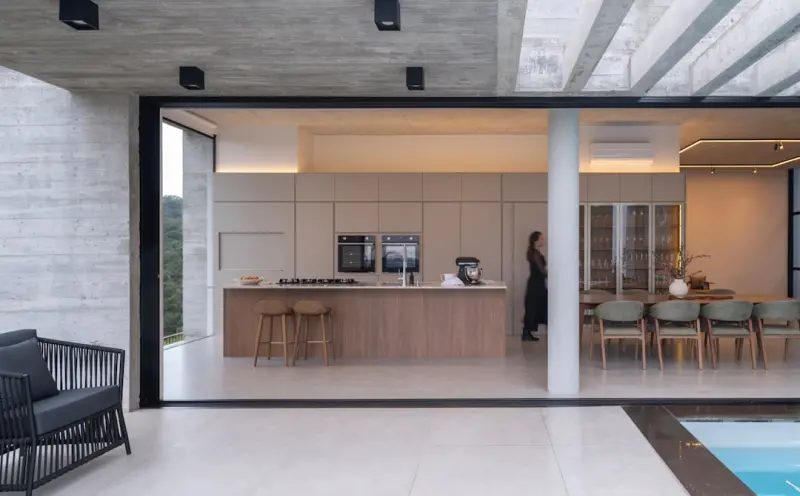
Bringing the Outdoors In: Biophilic Kitchen Renovations for Healthier Homes
Explore a fresh approach to kitchen remodels that blends natural light, organic materials, and living greenery, creating a healthier, more inviting heart of the...Read More
0 Comments
Post Comment
You will need to Login or Register to comment on this post!