
Why Sustainable Appliance Repair Is the Next Frontier for Smart Homes
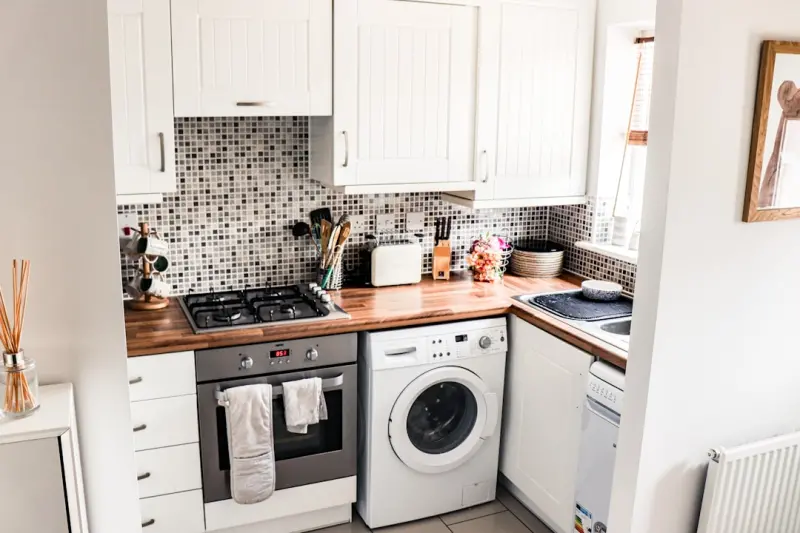
When I first walked into a kitchen that smelled like burnt plastic and fresh lemon, I knew something was off. The dishwasher was sputtering, the oven was refusing to heat, and the fridge was humming a mournful tune that could rival any indie band. As a lifelong tinkerer with a soft spot for anything that clicks, whirrs, or glows, I didn’t reach for the phone to call a technician right away. Instead, I grabbed my notebook, a flashlight, and a stubborn curiosity about how we can make our appliances work harder, longer, and greener.
What began as a personal experiment turned into a revelation: the future of appliance repair isn’t just about fixing broken parts—it’s about re‑thinking the entire lifecycle of the machines that keep our homes running. In this deep dive, I’ll explore the emerging mindset of sustainable appliance repair, the tools that are reshaping the trade, and how homeowners can become proactive custodians of their own devices.
The Hidden Cost of the “Throw‑It‑Away” Culture
Every year, millions of appliances are discarded before they truly reach the end of their functional lives. The Environmental Protection Agency estimates that a typical refrigerator sits on a landfill for up to 20 years after its useful lifespan ends, releasing refrigerants that contribute to ozone depletion. The same is true for washing machines, ovens, and even the humble toaster.
But the problem isn’t just the waste. It’s the hidden energy consumption of producing, shipping, and installing a brand‑new unit. Manufacturing a single dishwasher can emit the equivalent of driving a car over 2,000 miles. If we can extend the life of that dishwasher by even one year, we’re instantly offsetting a significant carbon footprint.
That’s why I’m championing a shift: from a “replace‑first” mentality to a “repair‑first” one. It’s an approach that respects the embedded resources of each appliance and reduces the strain on our planet.
Smart Diagnostics: The Rise of Predictive Repair
One of the most exciting developments in the field is the integration of sensors and AI into everyday appliances. Modern fridges, for example, can now monitor temperature fluctuations, door‑seal integrity, and even compressor performance in real time. When something goes awry, the appliance can send an alert to your phone before the problem becomes catastrophic.
Imagine receiving a notification that your dishwasher’s water inlet valve is showing signs of wear. Instead of waiting for a flood, you schedule a quick service call—or, if you’re handy, you order the part and replace it yourself. This predictive repair model is already reducing service calls by up to 30% in test markets.
For those curious about the tech behind it, a great starter read is the fridge repair insights article, which breaks down how connected appliances are transforming the repair landscape.
Tools of the Trade: From Multimeters to 3‑D Printed Parts
When I first opened my toolbox, it was a humble collection of screwdrivers, pliers, and a battered multimeter. Today, the toolkit of a forward‑thinking repair professional includes:
- Bluetooth Diagnostic Modules: Small devices that plug into a washing machine’s control board and stream data to a smartphone app.
- Portable Oscilloscopes: Handheld units that let you visualize waveforms on motor circuits, pinpointing issues that a multimeter would miss.
- 3‑D Printers: For producing hard‑to‑find plastic brackets or custom gaskets on demand, eliminating long wait times for OEM parts.
- Online Parts Marketplaces: Communities where technicians share schematics, allowing you to source discontinued components quickly.
These tools democratize repair. No longer do you need a corporate service center to access a replacement motor; a savvy DIYer with a 3‑D printer and a schematic can fabricate a working part in a few hours.
Building a Repair‑Centric Mindset at Home
Even if you’re not a certified technician, there are simple habits that can dramatically extend your appliances’ lives:
- Regular Maintenance Checks: Once a month, inspect seals on refrigerators and dishwashers for wear. A quick wipe with a damp cloth can prevent mold and improve efficiency.
- Clean Filters and Vents: Clogged dryer lint filters or HVAC vents force motors to work harder, increasing wear.
- Calibrate Sensors: Many modern ovens allow you to recalibrate temperature sensors via the control panel. Follow the manufacturer’s instructions to ensure accurate cooking temperatures.
- Document Issues: Keep a small logbook next to each major appliance noting strange noises, error codes, or performance drops. This record becomes invaluable for both DIY fixes and professional technicians.
By treating appliances as living systems that need care, you’re more likely to catch problems early, avoid costly breakdowns, and stay in control of your home’s energy budget.
The Economics of Repair: Saving Money While Saving the Planet
Let’s talk numbers. The average cost to replace a refrigerator ranges from $1,200 to $2,500, while a professional repair typically runs $150 to $300. Even if you spend $250 on a repair and another $100 on a replacement part, you’ve saved upwards of $1,000 compared to buying new.
Beyond direct savings, there’s a hidden financial benefit: energy efficiency gains. A well‑maintained appliance runs smoother, using less electricity. For a refrigerator that saves just 5% on its annual energy bill, that could be $30‑$50 saved each year—money that adds up quickly over the appliance’s extended lifespan.
And if you factor in the reduced environmental impact, the ROI becomes even more compelling. This is why many homeowners are now seeing repair as an investment rather than an expense.
Community Repair Hubs: A Growing Trend
Across the country, community‑run repair workshops are popping up in libraries, maker spaces, and even local hardware stores. These hubs provide tools, expertise, and a supportive environment for anyone looking to fix their own appliances.
One standout example is the “Fix‑It‑Friday” program hosted by a municipal library in Seattle. Residents bring in broken appliances, receive a brief tutorial, and walk away with a repaired device. The initiative not only reduces waste but also builds local skill sets—an essential component of a resilient, circular economy.
If you’re interested in starting something similar, consider partnering with local schools or tech clubs. The synergy between youthful curiosity and seasoned know‑how can spark innovative repair solutions you never imagined.
When to Call a Pro: Knowing Your Limits
While DIY repair can be empowering, there are scenarios where professional intervention is the safest choice:
- Gas‑Powered Appliances: Stoves, ovens, and dryers that use natural gas require certified technicians for safety compliance.
- Electrical Wiring Issues: Anything that involves the main power supply or complex circuitry should be handled by a licensed electrician.
- Refrigerant Leaks: Refrigerant handling is regulated; a certified HVAC technician is needed to repair leaks or recharge the system.
Recognizing these boundaries ensures that you don’t jeopardize your safety or void warranties. When in doubt, a quick phone call to a reputable repair service can save you headaches down the line.
Connecting the Dots: How Whole‑Home Care Improves Appliance Longevity
Appliances don’t exist in isolation. Their performance is affected by the broader home environment—humidity, temperature, airflow, and even the condition of surrounding flooring. That’s why I always recommend a holistic approach.
For instance, the importance of carpet care extends beyond aesthetic appeal. Clean, well‑maintained carpet reduces dust circulation, which in turn minimizes the buildup of debris inside vented appliances like dryers and HVAC units.
Similarly, ensuring that your home’s insulation is up to snuff can keep your refrigerator’s compressor from over‑working during hot summer months. It’s a chain reaction: a well‑sealed home leads to more efficient appliances, which then require fewer repairs.
The Future Landscape: Circular Economy and Manufacturer Partnerships
Major appliance manufacturers are beginning to embrace the circular economy model. Companies like Whirlpool and Bosch have launched “take‑back” programs where they refurbish returned units and resell them at a discount. Some even offer subscription‑based maintenance plans that include regular check‑ups and priority repair services.
These initiatives signal a shift from “sell‑once, discard‑once” toward “maintain‑forever.” As a consumer, you can influence this trend by supporting brands that prioritize repairability—look for models with easily replaceable parts and clear service manuals.
Takeaway: Repair Is a Radical Act of Care
At its core, sustainable appliance repair is an act of rebellion against a throw‑away culture. It’s a statement that we value durability, resourcefulness, and the planet. By adopting predictive diagnostics, equipping ourselves with modern tools, and fostering community repair networks, we can dramatically extend the life of the appliances that make our lives easier.
So the next time your dishwasher gurgles an odd sound or your oven takes a little longer to preheat, pause before you reach for the phone. Pull out your notebook, inspect the issue, and ask yourself: Can this be fixed? More often than not, the answer is a resounding yes—and that simple “yes” could be the beginning of a greener, more resilient home.

When it comes to the world of blogging and writing, Rose DesRochers is a name that stands out. Her passion for creating quality content and connecting with her audience has made her a trusted voice in the industry. Aside from her skills as a writer and blogger, Rose is also known for her compassionate nature.
Related Posts
Turning Appliance Downtime into Competitive Advantage
Explore how data‑driven maintenance, remote diagnostics, and a hybrid repair culture can transform... Read More

When Your Fridge Starts Whispering: Decoding Early Appliance Fatigue
A quiet hum from a refrigerator isn’t just noise—it’s an early warning. This guide shows prope... Read More

The Real Value of Proactive Appliance Repair: Small Fixes, Big Savings
A proactive approach to appliance repair prevents expensive breakdowns, reduces downtime, and suppor... Read More
Top Posts

Why Modern Home Alarms Are Becoming Strategic Safety Hubs
Home alarms are evolving from noisy deterrents to intelligent, networked safety hubs. This article examines AI‑driven detection, seamless smart‑home integra...Read More

The Hidden Layers: A Holistic Blueprint for Smarter Foundation Repair
Explore how integrating soil science, adaptive materials, smart sensors, and proactive water management creates a comprehensive strategy for foundation repair, ...Read More

Beyond Leisure: Turning Your Deck into a Year‑Round Productivity Hub
A deck can be more than a summer retreat. Learn how to upgrade it into a flexible, year‑round productivity zone that supports remote work, collaboration, and ...Read More

The Evolution of Home Security: How Modern Alarm Systems Are Changing the Game
Home security has come a long way in recent years. Learn about the evolution of home alarm systems, their benefits, and what you need to know to protect your ho...Read More
0 Comments
Post Comment
You will need to Login or Register to comment on this post!