
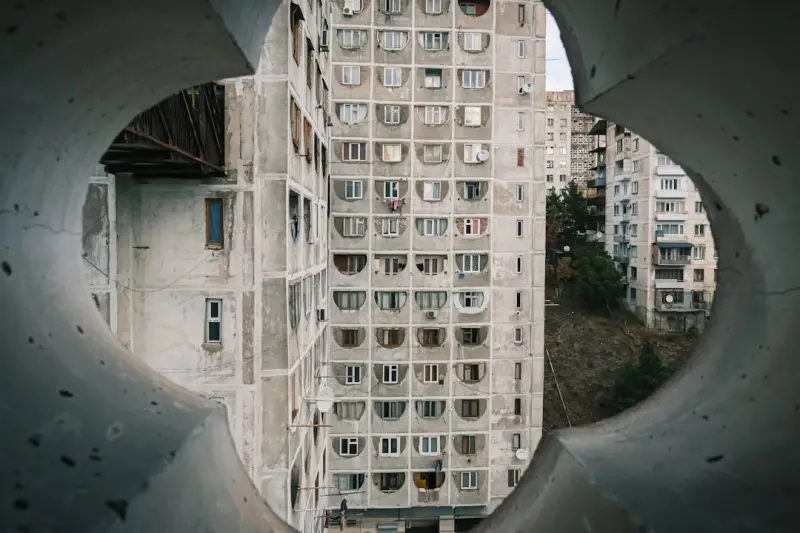
Why Concrete Is the Unsung Hero of Modern Spaces
When people think of cutting‑edge architecture, they often picture glass façades, timber accents, or sleek metal panels. Concrete, however, has quietly evolved from the gray monolith of mid‑century modernism into a versatile platform for creativity, sustainability, and performance. As someone who’s spent years walking construction sites, sketching floor plans, and sipping coffee on poured‑in‑place terraces, I’ve come to see concrete not just as a structural material but as a canvas for innovation.
The Quiet Revolution: Ultra‑High‑Performance Concrete (UHPC)
Traditional concrete mixes deliver strength, but they’re also heavy, porous, and prone to cracking under stress. Enter ultra‑high‑performance concrete (UHPC). By tweaking the particle size distribution, incorporating silica fume, and using low‑water‑to‑cement ratios, UHPC achieves compressive strengths of 150 MPa or more—double, sometimes triple, what normal concrete can handle.
What this means for designers is simple yet profound: thin, elegant structural elements become possible. A 5‑centimeter‑thick UHPC beam can span the same distance as a 20‑centimeter traditional slab, freeing up interior volume and reducing the overall weight of a building. The material’s inherent ductility also allows for dramatic, cantilevered forms that would have once required massive steel reinforcement.
- Design freedom: Complex geometries, curvilinear walls, and perforated screens are now viable without resorting to costly steel frameworks.
- Durability: UHPC’s low permeability dramatically reduces the risk of corrosion for embedded reinforcement, extending a structure’s lifespan.
- Sustainability: Because less material is needed for the same performance, the embodied carbon per square foot drops noticeably.
Concrete as a Thermal Mass Ally
One of concrete’s most underappreciated qualities is its ability to store and release heat. In climates with hot days and cool nights, a concrete floor can act like a thermal battery, absorbing excess heat when the sun is high and radiating it back when temperatures dip. Architects are leveraging this property to slash HVAC loads and improve occupant comfort.
When paired with a wellness‑first workplace design strategy, the thermal mass of concrete helps maintain stable indoor temperatures, reducing drafts and eliminating the “cold spot” syndrome that often plagues open‑plan offices. The result is a healthier environment that feels naturally regulated—no aggressive heating or cooling cycles required.
3D‑Printed Concrete: From Prototype to Production
3D printing has been a buzzword for plastics and metals, but the technology is now making waves in the concrete world. Large‑scale gantry printers extrude a specially formulated, fast‑setting concrete mix layer by layer, allowing for on‑site fabrication of complex structural components.
Why does this matter?
- Customization at scale: Architects can design organic, lattice‑like façades that would be prohibitively expensive using traditional formwork.
- Waste reduction: The printer deposits material only where it’s needed, trimming off‑cut waste dramatically.
- Speed: A wall that might take weeks to cast in a conventional yard can be printed in days, accelerating project timelines.
Imagine a civic building whose exterior is a flowing, undulating skin—each ripple printed directly onto the site, no molds, no rework. This is no longer speculative; several municipalities have already commissioned 3D‑printed concrete pavilions, and the technology is rapidly maturing.
Acoustic Mastery: Concrete’s Hidden Sound‑Absorbing Powers
Concrete is often dismissed as “hard and echoey,” but with the right mix design and surface treatment, it can become a stellar acoustic moderator. By incorporating air‑entraining agents or embedding recycled rubber granules, engineers can tailor the material’s sound‑absorption coefficient to suit auditoriums, open‑plan offices, or even residential lofts.
For example, a concrete wall with a surface‑applied perforated metal panel can scatter sound waves, reducing reverberation while preserving a sleek aesthetic. In high‑traffic commercial spaces, this approach can curb noise pollution without resorting to bulky acoustic panels that clash with modern design language.
Concrete and Biophilic Design: Marrying the Rugged with the Organic
Biophilic design champions the integration of natural elements—light, water, plant life—into built environments. While wood, stone, and glass are obvious candidates, concrete’s neutral palette offers a surprisingly effective backdrop for living walls and indoor gardens.
By casting shallow channels directly into a concrete slab, designers can create built‑in irrigation pathways for moss or low‑maintenance succulents. The juxtaposition of a raw, industrial material with thriving greenery creates a tactile contrast that feels both grounded and fresh. Moreover, concrete’s moisture‑regulating properties help maintain a stable micro‑climate for plants, reducing the need for supplemental humidifiers.
Low‑Carbon Concrete: The Circular Economy Comes Full Circle
The construction sector accounts for roughly 8 % of global CO₂ emissions, with cement production being the primary culprit. In response, the industry is turning to alternative binders, recycled aggregates, and carbon‑capture technologies to produce “low‑carbon concrete.”
Key strategies include:
- Supplementary cementitious materials (SCMs): Fly ash, slag, and calcined clays replace a portion of Portland cement, cutting emissions without sacrificing strength.
- Recycled aggregates: Crushed concrete from demolition sites re-enters the mix, diverting waste from landfills and reducing the demand for virgin aggregates.
- Carbon sequestration: Emerging processes inject captured CO₂ directly into the curing concrete, where it mineralizes and permanently locks away the gas.
The result is a concrete that not only supports structures but also actively contributes to climate goals—a win–win for developers, owners, and the planet.
Concrete in Data‑Driven Design Workflows
Modern design teams rely heavily on data analytics to inform material selection, performance forecasting, and lifecycle costing. By feeding concrete mix properties into simulation tools, architects can predict thermal performance, structural behavior, and even carbon footprints before a single batch is poured.
Integrating these insights with data‑driven space planning allows project stakeholders to iterate quickly, choose the optimal concrete blend, and justify decisions with quantifiable metrics. This analytical rigor reduces the guesswork that once plagued concrete specifications and accelerates approvals from sustainability committees.
Concrete’s Role in Resilient Infrastructure
From flood‑prone coastal cities to seismic zones, the need for resilient construction has never been more urgent. Concrete, when engineered correctly, can absorb and dissipate energy, making it a prime candidate for structures that must endure extreme events.
Innovations such as fiber‑reinforced concrete (FRC) and geopolymer matrices enhance ductility and resistance to cracking under dynamic loads. In practice, this translates to bridges that stay open after an earthquake, parking structures that shrug off storm surge, and hospitals that retain operational integrity when the power grid fails.
Concrete as a Branding Tool
Commercial real estate owners are discovering that concrete can be an effective medium for brand expression. By embossing logos, using colored aggregates, or applying surface‑integrated lighting, a building’s façade becomes a billboard without the need for additional signage.
Such treatment not only reinforces brand identity but also adds a layer of durability—there’s no risk of faded vinyl or maintenance‑heavy neon tubes. The permanence of concrete ensures the visual message endures as long as the structure itself.
Practical Tips for Embracing Concrete in Your Next Project
- Start with the end in mind. Define performance goals—thermal mass, acoustic control, structural span—early so you can select the appropriate mix (UHPC, FRC, low‑carbon).
- Collaborate with mix designers. A nuanced concrete mix can achieve multiple objectives simultaneously, such as strength and reduced permeability.
- Leverage digital tools. Use building information modeling (BIM) to simulate concrete behavior under various loads and climate conditions.
- Consider finish options. Polished, stamped, or exposed‑aggregate surfaces can dramatically alter the aesthetic without extra cladding.
- Plan for maintenance. Sealants, regular inspections, and proper joint design extend service life and preserve appearance.
Looking Ahead: The Future of Concrete Is Anything But Boring
Concrete has shed its reputation as a bland, utilitarian material. Today’s engineers and designers are pushing its boundaries—embedding sensors for real‑time health monitoring, integrating photovoltaics into the surface, and even printing concrete that mimics the texture of natural stone.
When you step onto a sleek, thin UHPC slab or admire a 3D‑printed concrete canopy that seems to float above a courtyard, you’re witnessing a material renaissance. Concrete is no longer the silent workhorse; it’s a dynamic, responsive element that can adapt to sustainability mandates, aesthetic ambitions, and performance demands—all while staying firmly rooted in the practical realities of construction.
Whether you’re a developer seeking a resilient, low‑carbon solution; an architect yearning for bold forms; or a facility manager looking to improve indoor comfort, concrete offers a toolbox of possibilities. The next time you walk past a freshly poured slab, pause and consider the silent story it’s telling—one of strength, innovation, and endless potential.

William Roy is a freelance writer originally from Montreal who moved to Ottawa with his wife of 50 years to be closer to their grandkids. Alongside his writing, William has a passion for fishing.
Related Posts
Carbon‑Negative Concrete: How the Industry Is Rewriting Its Green Playbook
Concrete is undergoing a climate makeover. By swapping traditional cement for low‑carbon binders, ... Read More

Concrete as a Creative Canvas: DIY Artistic Projects for Modern Homes
Explore innovative ways to use concrete as a creative, eco‑friendly material—mix, color, texture... Read More
Concrete Revolution: Turning Waste into Wealth
Concrete, once seen as a carbon‑heavy relic, is undergoing a quiet revolution. Discover how cuttin... Read More
Top Posts
Building Calm: How Mindful Woodworking Transforms Workspaces
Explore the transformative power of mindful woodworking, a practice that blends tactile craftsmanship with meditation to reduce stress, sharpen focus, and produ...Read More

Revamping Your Home's Aesthetic: A Comprehensive Guide to Interior Design
Discover the art of interior design and learn how to revamp your home's aesthetic with our expert guide. Get inspired and create a space that's truly yours....Read More
Concrete as the Silent Hero of Sustainable Smart Homes
Explore the hidden eco‑benefits of modern concrete, its role in smart home integration, and why this timeless material remains a cornerstone of sustainable de...Read More
Drywall’s Quiet Revolution: Sustainable, Smart, and Ready for the Future
From recycled gypsum panels to embedded sensors and rapid‑finish tools, this guide shows how drywall is becoming a sustainable, smart platform that future‑p...Read More
0 Comments
Post Comment
You will need to Login or Register to comment on this post!