

Why Countertops Are the Unsung Heroes of Kitchen Well‑Being
When I was a kid, I spent more time perched on the edge of my family’s kitchen island than I did on the couch. The cool marble under my elbows, the subtle echo of my elbows against the stone, the way the surface reflected the morning sun – these sensory details formed a memory map of comfort. Fast‑forward a few decades, and I’m still obsessing over that tactile experience, only now I’m looking at it through the lens of well‑being, ergonomics, and sustainable design. Countertops aren’t just a backdrop for culinary theatrics; they’re an active participant in how we feel, move, and interact in the heart of the home or office.
The Triple‑S Framework: Sensory, Sustainable, and Spatial
To articulate why countertops deserve more attention, I’ve coined the Triple‑S Framework. It’s a simple way to evaluate any surface:
- Sensory – How does the material look, feel, and sound?
- Sustainable – What’s the environmental story behind it?
- Spatial – How does the countertop shape the flow of the room?
Let’s unpack each pillar, sprinkle in a few anecdotes, and see how the right choice can transform a kitchen from a functional zone into a nurturing sanctuary.
Sensory: The Subtle Power of Touch, Sight, and Sound
Most design conversations focus on colour palettes or finishes, but the tactile quality of a countertop is often overlooked. Think about the difference between a polished quartz that feels slick and a honed soapstone that offers a buttery softness. That tactile response can influence everything from the speed of your chopping motions to the fatigue you feel after a marathon cooking session.
Research in acoustic architecture reveals that surface textures affect how sound travels. A dense, non‑porous stone absorbs less sound, creating a lively “clink” when pots meet the surface – a cue that many chefs love because it signals a proper sear. In contrast, softer materials dampen noise, which can be a boon in open‑plan homes where the kitchen abuts the living room.
Visually, the way light dances across a surface can set the mood for the entire day. A high‑gloss marble reflects daylight, making the space feel airy, while a matte concrete slab absorbs light, fostering a grounded, earthy vibe. I often recommend homeowners test a sample under both natural and artificial light before committing.
Sustainable: From Quarry to Kitchen Counter
Eco‑consciousness has moved from a buzzword to a baseline expectation. Yet many still assume that “green” countertops are limited to recycled glass or bamboo. The truth is far richer. For instance, reclaimed wood combined with a food‑safe resin not only diverts timber from landfills but also brings a narrative of renewal into the kitchen narrative.
Another exciting development is the rise of engineered stone made from industrial by‑products like fly ash. This material reduces the demand for virgin quarrying while delivering a durability that rivals natural stone. When you pair such a countertop with low‑VOC sealants, you’re creating a truly circular product that respects both the planet and the palate.
Don’t forget the carbon footprint of transportation. Sourcing locally—whether it’s a nearby limestone quarry or a regional recycled glass mill—can slash emissions dramatically. I love mapping these journeys in my design notebooks, visualising the “life cycle line” from raw material to finished slab.
Spatial: How Countertops Shape Flow and Function
Countertops are more than flat planes; they dictate the choreography of movement in a kitchen. A well‑planned island can become a social hub, a prep zone, and a storage solution all at once. But the magic lies in the relationship between countertop height, depth, and the surrounding appliances.
Applying zone‑crafting principles helps us think of the kitchen as a series of functional islands—cooking, cleaning, and gathering. By aligning countertop edges with the natural reach zones of the primary users, we reduce strain and encourage smoother transitions. For example, a 36‑inch high countertop works well for most adults, but for a home with seniors, a 30‑inch worktop paired with a pull‑out cutting board can be a game‑changer.
Moreover, the edge profile influences ergonomics. A rounded “bullnose” edge offers a gentle hand rest, while a sharp “eased” edge can create a defined visual line that encourages a more upright posture.
Choosing the Right Material for Your Lifestyle
Below is a quick matrix I use with clients to match lifestyle needs to material attributes:
| Lifestyle Need | Ideal Material | Key Benefits |
|---|---|---|
| High‑traffic family kitchen | Quartz with integrated antimicrobial agents | Durable, stain‑resistant, low maintenance |
| Artisan chef seeking heat tolerance | Soapstone | Heat‑resistant, develops a patina over time |
| Eco‑advocate with design flair | Recycled glass + resin | Vivid color options, sustainable, unique patterns |
| Small urban loft | Concrete with polished finish | Industrial chic, can be poured in‑situ to save space |
| Accessibility‑focused home | Solid surface with under‑counter pull‑out drawers | Seamless surface, easy to clean, customizable heights |
Maintenance Myths Debunked
There’s a lingering belief that natural stone demands a lifetime of waxing, sealing, and vigilant care. The reality is more nuanced. Modern sealants have advanced to the point where a simple wipe‑down with a pH‑neutral cleanser keeps most stones pristine for years. On the other hand, solid surface materials like Corian are virtually non‑porous, making them resistant to bacteria and stains without the need for periodic sealing.
One tip I share: keep a soft micro‑fiber cloth and a pH‑balanced cleaner in a drawer next to your sink. When you’re done cooking, a quick swipe prevents buildup and preserves the surface’s luster.
Integrating Technology Without Losing the Human Touch
While we’ve celebrated tech in roofs and façades, countertops are now getting their own smart upgrades. Integrated inductive charging pads, embedded temperature sensors, and even voice‑activated lighting strips can be woven into the surface without compromising aesthetics. The key is to treat technology as an invisible layer that amplifies the tactile experience rather than dominates it.
Imagine a countertop that subtly warms the area where you place a pot of soup, maintaining temperature while you finish prep elsewhere. Or a surface that alerts you when a spill is detected, prompting a quick clean‑up before the liquid seeps into grout. These innovations echo the broader trend of smart sensors turning static elements into responsive assets.
Future‑Facing Trends: Adaptive Countertops
Looking ahead, I’m fascinated by the concept of adaptive countertops—surfaces that can change colour, texture, or even shape in response to user input. Think of a countertop that shifts from a matte finish for chopping (reducing glare) to a glossy sheen for plating, all at the touch of a button. While still in prototype stages, these ideas hint at a future where the kitchen surface is as dynamic as the chef using it.
Case Study: A Boutique Café’s Countertop Overhaul
One of my recent collaborations involved a boutique café nestled in a historic warehouse. The owner wanted a countertop that honored the building’s industrial roots while offering a modern, sustainable vibe. We opted for a recycled concrete slab with a brushed finish, incorporating reclaimed metal edging salvaged from the original loading dock. The result?
- Visual continuity with the exposed brick walls.
- Thermal mass that kept coffee mugs warm longer.
- A zero‑waste material story that resonated with the café’s eco‑conscious clientele.
Since the installation, the café has reported a 15% increase in repeat customers, attributing part of the appeal to the “touch‑and‑feel” experience of the new counter.
Tips for a Successful Countertop Project
- Start with a lifestyle audit. Who uses the space? What are their physical needs?
- Sample under varied lighting. Bring home a 4×4 inch slab to test at different times of day.
- Prioritise sustainability. Look for certifications like Cradle‑to‑Cradle or GREENGUARD.
- Plan for integration. Discuss any tech features early with your fabricator.
- Budget for installation expertise. A skilled installer can make the difference between a seamless seam and an unsightly joint.
Conclusion: Elevating Everyday Moments
Countertops sit at the intersection of function, form, and feeling. By embracing the Triple‑S Framework—sensory delight, sustainable stewardship, and spatial intelligence—we can curate surfaces that not only survive the rigors of daily life but also elevate the simple act of preparing a meal into a moment of mindful pleasure. The next time you rest your elbows on that cool slab, take a second to appreciate the thoughtful choices that brought that surface to life. It’s a small, tactile reminder that design, when done right, is an act of care.

When it comes to the world of blogging and writing, Rose DesRochers is a name that stands out. Her passion for creating quality content and connecting with her audience has made her a trusted voice in the industry. Aside from her skills as a writer and blogger, Rose is also known for her compassionate nature.
Related Posts
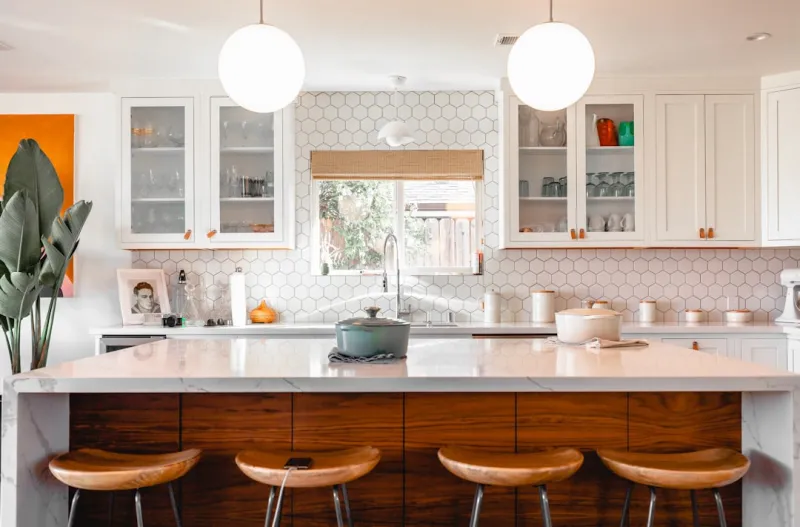
Revolutionizing Kitchen Design: The Impact of Countertops on Home Value
Explore the transformative power of countertops in kitchen design, from enhancing aesthetics and fun... Read More
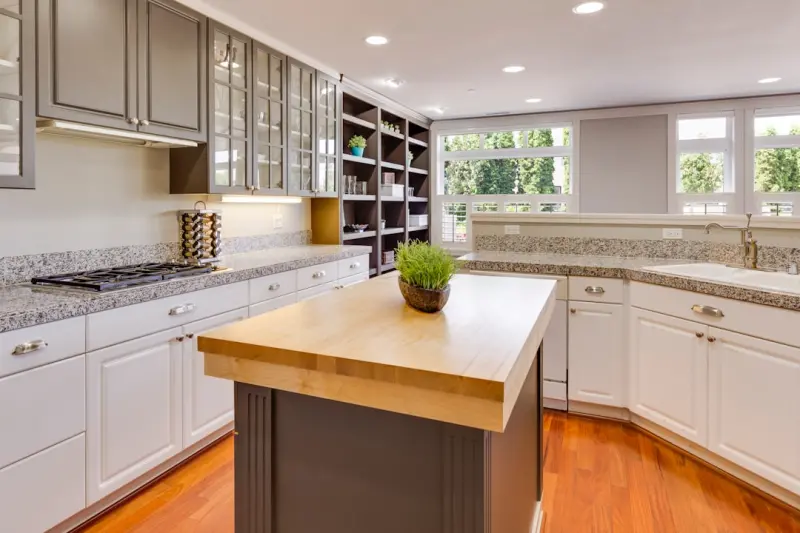
Crafting the Perfect Countertop: A Practical Guide to Material, Style, and Longevity
A comprehensive guide that walks you through material choices, edge profiles, lighting, and maintena... Read More
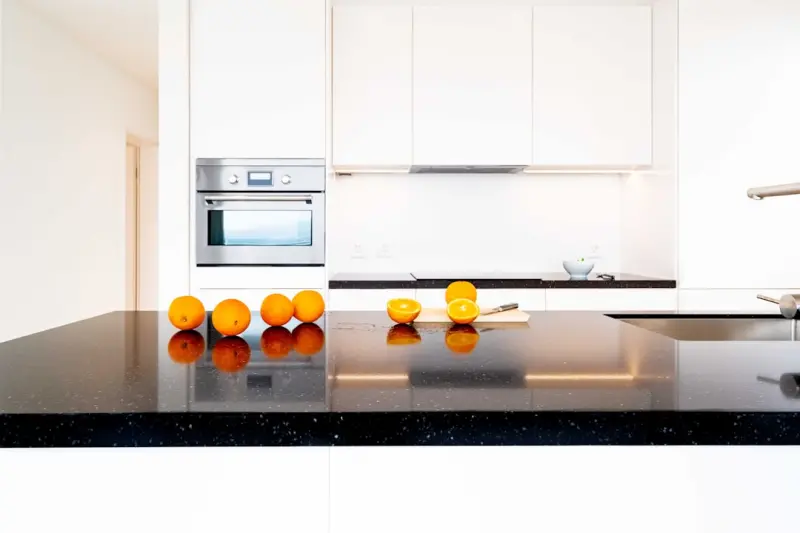
When Countertops Shape Mood: Designing for Wellness in Commercial Spaces
Countertops do more than hold dishes—they influence touch, sight, and sound. This post reveals how... Read More
Top Posts

Breathing New Life into Vintage Windows: A Restoration Blueprint
Restoring vintage windows blends heritage preservation with modern performance. This guide walks you through assessment, material selection, step‑by‑step re...Read More

Intelligent Closet Systems: Turning Office Storage into a Strategic Asset
Explore the shift from static shelves to intelligent storage ecosystems that save time, cut costs, and enhance workplace health by integrating sensors, modular ...Read More
Modular Closet Solutions: Boosting Space Efficiency and Employee Well‑Being
A deep dive into why modular closet systems are the unsung heroes of workplace efficiency, improving employee satisfaction, reducing operational costs, and offe...Read More

The Hidden Economics of Countertop Choices: Value, Durability, and the Bottom Line
A deep dive into the true cost of countertops, covering material selection, maintenance, health implications, integration with building systems, and circularity...Read More
0 Comments
Post Comment
You will need to Login or Register to comment on this post!