
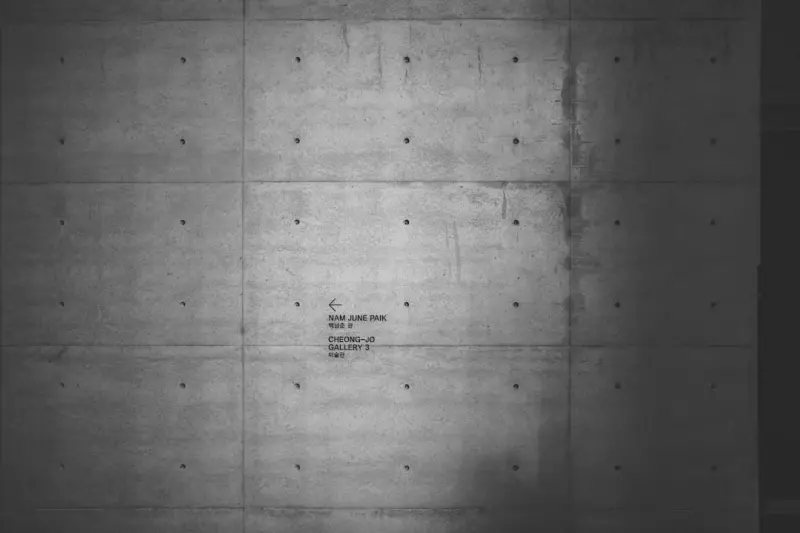
Why Concrete Deserves a Second Look
For many homeowners, concrete still feels like the utilitarian cousin of steel and brick—a gray, uninviting slab that simply “holds things up.” That perception is changing as designers and DIY enthusiasts discover how a single pour can become a backdrop for art, a resilient countertop, or a warm floor underfoot. When you start treating concrete as a blank canvas rather than a structural afterthought, the possibilities expand far beyond the foundation trench.
From Brutalism to Boutique: Modern Finishes
Modern aesthetics have shifted from the raw, monolithic look of mid‑century brutalism to a more refined, boutique‑grade finish. Polished concrete floors now glide underfoot with a mirror‑like sheen, while matte troweled surfaces lend a soft, tactile quality that invites barefoot strolls. These finishes aren’t just for lofts; they’re finding homes in suburban kitchens, bathroom vanities, and even indoor‑outdoor transition zones.
Color, Stain, and Pigment: Adding Personality
Concrete’s natural hue is a blank slate that can absorb an entire palette of pigments, stains, and dyes. By integrating color directly into the mix or applying a penetrating stain after cure, you can achieve everything from deep charcoal to sun‑kissed amber without sacrificing durability. Bold colors can define a space as effectively as a painted wall, but they retain the strength and low‑maintenance benefits you expect from concrete.
Texture Techniques: Stamps, Exposed Aggregate, and More
Texture transforms a flat slab into a tactile experience. Stamping molds the surface to mimic slate, wood, or even intricate geometric patterns, while exposed aggregate reveals a speckled stone mosaic that catches the eye. These techniques are affordable DIY projects when you follow a careful timing plan, allowing you to personalize a patio or driveway without hiring a specialist.
Sustainable Mixes: Low‑Carbon Concrete
Traditional concrete production contributes significantly to global CO₂ emissions, but the industry is shifting toward greener alternatives. By substituting a portion of Portland cement with fly ash, slag, or calcined clays, you can cut the carbon footprint of a pour by up to 40 percent. Low‑carbon mixes still meet structural standards, providing the same load‑bearing capacity while aligning with today’s sustainability goals.
Durability Meets Design: Concrete in High‑Traffic Areas
High‑traffic zones demand surfaces that resist wear, stains, and moisture—qualities that concrete delivers in spades. When sealed properly, a concrete floor can outlast hardwood or tile, and it tolerates heavy furniture rearrangements without cracking. Designers now pair durability with style, integrating floor‑level lighting or embedded heating elements for added comfort.
Maintenance Made Simple: Cleaning and Sealing
One of the biggest misconceptions about concrete is that it requires endless upkeep. In reality, a routine of sweeping, occasional damp‑mopping, and an annual reseal keeps the surface looking fresh. For stubborn stains, a poultice of baking soda and water works wonders, and a well‑chosen sealer protects against moisture intrusion for years. Handyman Hacks offers additional tips for quick, low‑cost maintenance.
Future Trends: 3D‑Printed Forms and Smart Additives
The next wave of concrete innovation lies in digital fabrication and responsive materials. 3D‑printing allows architects to create complex, organic shapes that were once impossible with conventional forms. Meanwhile, smart additives can enable self‑healing cracks or embed sensors that monitor structural health. These advances turn concrete from a static element into a dynamic, interactive component of the home.
Integrating Concrete with Other Materials
Concrete doesn’t have to stand alone; it thrives when paired with wood, metal, or glass. A concrete countertop topped with reclaimed timber adds warmth, while a glass rail set into a concrete balcony provides a light, airy feel. By juxtaposing textures and finishes, you craft a layered aesthetic that feels both grounded and contemporary. For broader flooring ideas, see Flooring Futures, which explores how concrete interacts with emerging flooring technologies.

David MacKinnon is a dynamic freelance writer known for his captivating storytelling and keen insights into the world of technology. With a passion for exploring the intersection of innovation and everyday life, he crafts engaging narratives that not only inform but also inspire his readers.
Related Posts
Concrete as a Living Platform: Embedding Intelligence in the Build
A deep dive into the emerging practice of turning ordinary concrete into a living platform, with emb... Read More
Self‑Healing Concrete: How the Material Repairs Itself and Saves You Money
Self‑healing concrete can automatically seal micro‑cracks, extending service life and cutting ma... Read More
Concrete as a Quiet Architect of Sustainable Spaces
Discover concrete’s untapped potential beyond strength—learn how low‑carbon mixes, embedded se... Read More
Top Posts
When Pipes Talk: Turning Plumbing Data Into Business Intelligence
Explore how real‑time pipe monitoring and analytics turn everyday plumbing systems into powerful sources of business intelligence, delivering cost savings, pr...Read More
The Evolution of Home Construction: Trends, Innovations, and Best Practices
The home construction industry is evolving rapidly, driven by advancements in technology and changing consumer preferences. Learn about the latest trends, innov...Read More
Smart Zonal HVAC: Tailoring Comfort and Efficiency in Modern Buildings
Discover the benefits of smart zonal HVAC, from variable refrigerant flow and IoT sensors to AI-driven predictive maintenance, and learn how to implement this t...Read More

Rethinking Home Alarm Systems for Real‑World Safety
A personal guide that reshapes home alarm systems from a one‑time purchase into a lifestyle habit, covering sensor selection, false‑alarm learning, insuranc...Read More
0 Comments
Post Comment
You will need to Login or Register to comment on this post!