
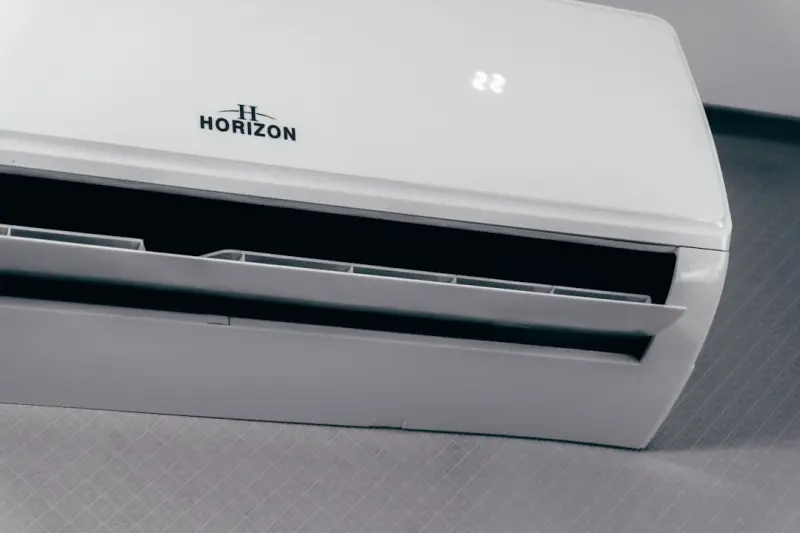
When I first walked into a downtown office tower and felt a gust of chilly air drifting from the ceiling vents, I realized the old “one‑size‑fits‑all” HVAC model was breaking down. Tenants were complaining, energy bills were soaring, and the building manager was stuck juggling a patchwork of thermostats that never seemed to agree. That moment sparked my fascination with smart zonal HVAC systems—the next evolution in heating and air conditioning that promises to marry comfort, efficiency, and data‑driven insight in a single, cohesive strategy.
The Problem with Traditional HVAC
For decades, most commercial and multi‑family buildings have relied on a centralized furnace or chiller that distributes conditioned air through a network of ducts. While simple to install, this architecture suffers from three major drawbacks:
- Energy waste: Spaces that are unoccupied or have low cooling/heating demand still receive the same airflow, forcing the system to run at higher capacities.
- Occupant discomfort: A conference room on the sunny side of the building may be sweltering, while an interior office remains cool—yet both are fed by the same thermostat setting.
- Limited control granularity: Facility managers can only adjust temperature at a few points, making it impossible to fine‑tune comfort for diverse user groups.
These inefficiencies are no longer acceptable in an era where sustainability targets, rising energy costs, and employee well‑being are top‑of‑mind for building owners.
Enter Zonal Control: The Core Concept
Zonal HVAC breaks a monolithic system into a series of independently controlled “zones.” Each zone can be a single floor, a wing, a conference room, or even a specific work pod. The magic happens when smart sensors and connected controllers continuously monitor temperature, occupancy, humidity, and CO₂ levels, feeding that data into a cloud‑based algorithm that optimizes the system in real time.
The result is a dynamic balance where the system only delivers the exact amount of heating or cooling each zone needs, when it needs it. Think of it as a finely tuned orchestra, where each instrument plays at the right volume, tempo, and pitch, rather than a marching band blasting the same tune across the entire field.
Key Technologies Powering Smart Zoning
To make zonal control a reality, several technologies must work in concert:
- Variable Refrigerant Flow (VRF) and Variable Air Volume (VAV) units: These systems can modulate the amount of refrigerant or air supplied to each zone, providing precise temperature control without the need for oversized ductwork.
- IoT‑enabled thermostats and actuators: Modern thermostats are no longer dumb knobs; they are internet‑connected devices that can receive commands from a central platform and report real‑time data.
- Occupancy and environmental sensors: Passive infrared (PIR) motion detectors, ultrasonic people counters, and indoor air quality sensors feed the system the context it needs to decide whether to heat, cool, or simply ventilate.
- Building Management System (BMS) integration: A robust BMS aggregates data from HVAC, lighting, security, and other subsystems, enabling cross‑functional optimization (e.g., reducing cooling load when blinds are lowered).
- Predictive analytics and AI: By analyzing historical usage patterns and weather forecasts, AI can anticipate demand spikes and pre‑condition zones for maximum comfort and minimal energy draw.
Why Zonal HVAC Is More Than an Energy Hack
Beyond the obvious cost savings—often 15‑30% reductions in HVAC energy consumption—zonal systems deliver tangible benefits that affect the everyday experience of building occupants:
- Personalized comfort: Employees can fine‑tune their immediate environment via a wall‑mounted or mobile app, leading to higher satisfaction and productivity.
- Improved indoor air quality: Sensors detect elevated CO₂ or humidity and trigger fresh air intake only where needed, reducing the risk of mold and sick‑building syndrome.
- Scalable flexibility: As office layouts evolve—think hybrid workspaces, pop‑up meeting pods, or temporary event setups—the zoning logic adapts without costly retrofits.
- Data‑driven facility management: Continuous performance metrics enable proactive maintenance, preventing costly breakdowns before they happen.
From Insight to Action: A Real‑World Example
Consider a 10‑story mixed‑use building that recently adopted a smart zonal HVAC solution. Using AI‑driven HVAC inspections, the facility team identified that the 3rd‑floor conference center was consistently 4°F warmer than adjacent offices during summer months. By installing occupancy sensors and integrating a VRF unit for that floor, the system learned to pre‑cool the space only when a meeting was scheduled, cutting its cooling load by 22% while maintaining a comfortable 72°F environment for attendees.
Another tenant on the 7th floor, a design studio, wanted to keep a constant low temperature for material stability. The zonal controller allowed them to set a dedicated “cool‑zone” that operated independently of the building’s main schedule, showcasing how granular control can serve niche requirements without penalizing the rest of the building.
Implementing a Zonal Strategy: A Step‑by‑Step Playbook
Transitioning from a legacy HVAC setup to a smart zonal system can feel daunting, but breaking it into manageable phases simplifies the journey:
- Audit and mapping: Conduct a detailed survey of the building’s layout, existing ductwork, and occupancy patterns. Identify logical zones based on function, exposure, and usage frequency.
- Select compatible equipment: Choose VRF or VAV units that support modular control. Ensure thermostats and sensors are IoT‑ready and can integrate with your BMS.
- Deploy sensor network: Install temperature, humidity, CO₂, and occupancy sensors in each zone. Position them away from direct sunlight or drafts for accurate readings.
- Integrate with BMS: Connect all devices to a central platform. Leverage open APIs to enable data exchange between HVAC, lighting, and security systems.
- Configure control logic: Define comfort setpoints, occupancy thresholds, and schedules. Use AI modules to refine these parameters over time.
- Test and calibrate: Run a pilot on a single floor, monitor performance, and adjust sensor placements or control algorithms as needed.
- Scale up: Roll out the solution building‑wide, continuously monitoring energy savings and occupant feedback.
- Maintain and evolve: Adopt a predictive maintenance regimen, using data trends to schedule service before failures occur.
For those who love a hands‑on approach, DIY insulation hacks can further boost efficiency by sealing duct leaks and enhancing thermal envelopes around each zone.
The Role of Predictive Maintenance in Zonal HVAC
Smart zoning generates a wealth of data—temperature trends, fan speeds, refrigerant pressures, and more. By applying machine‑learning algorithms, facilities can predict component wear before it manifests as a fault. This shift from reactive to proactive maintenance extends equipment lifespan, reduces downtime, and trims service costs.
For example, a sudden increase in a zone’s cooling demand may indicate a clogged filter or refrigerant leak. The system flags the anomaly, schedules a technician visit, and even provides a spare part list, streamlining the repair process.
Integrating Renewable Energy Sources
Zonal HVAC pairs naturally with on‑site renewable generation, such as rooftop photovoltaics or small‑scale wind turbines. By aligning cooling loads with periods of peak solar production, the building can draw less from the grid, further lowering operational costs.
When renewable output dips, the BMS can intelligently shift non‑critical zones into a “night‑setback” mode, preserving comfort in occupied spaces while conserving energy.
Future Trends: What’s on the Horizon?
While today’s smart zonal systems already deliver impressive results, the next wave of innovation promises even deeper integration:
- Edge computing: Instead of sending every data point to the cloud, local processors will make instant decisions, reducing latency and enhancing reliability.
- Advanced occupant profiling: Wearable devices and badge systems could provide personalized comfort profiles, automatically adjusting temperature and airflow to match individual preferences.
- Hybrid HVAC‑thermal storage: Excess cooling capacity could be stored in chilled water tanks during low‑demand periods and released later, smoothing out energy peaks.
- Zero‑carbon HVAC loops: Combining high‑efficiency heat pumps with renewable electricity could drive buildings toward net‑zero heating and cooling footprints.
Wrapping Up: The Bottom Line
Smart zonal HVAC isn’t just a buzzword; it’s a pragmatic solution that aligns the three pillars of modern building management: comfort, efficiency, and intelligence. By embracing variable refrigerant flow, IoT sensors, and AI‑driven analytics, owners can transform a once‑static heating and cooling system into a living, adaptive network that responds to occupants’ needs and the ever‑changing climate.
If you’re ready to move beyond the limitations of a single thermostat and unlock a new level of performance, start with a thorough audit, choose the right technology partners, and let data guide your decisions. The future of heating and air conditioning is already here—just waiting for you to turn the dial.

When it comes to the world of blogging and writing, Rose DesRochers is a name that stands out. Her passion for creating quality content and connecting with her audience has made her a trusted voice in the industry. Aside from her skills as a writer and blogger, Rose is also known for her compassionate nature.
Related Posts
Why Ductless Mini‑Split HVAC Is the Future of Home Comfort
Explore the benefits of ductless mini‑split HVAC: zoned control, easy retrofits, improved air qual... Read More
The Quiet Revolution: Low‑Noise HVAC Solutions for Healthier Spaces
A deep dive into the emerging low‑noise HVAC trend, exploring technology, design strategies, and r... Read More
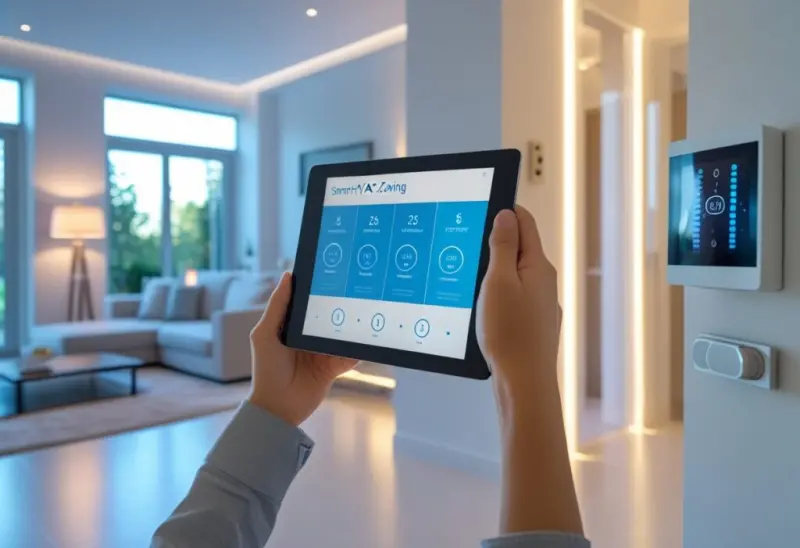
Zoning Your Comfort: A Fresh Take on Smart HVAC Strategies
Learn why traditional HVAC falls short and how zoning, smart thermostats, and efficient maintenance ... Read More
Top Posts

Beyond the Caulking Gun: A Data‑Driven Blueprint for Weatherproofing Your Home
Learn a step‑by‑step, data‑driven approach to weatherproofing that uses micro‑climate sensors, intelligent glazing, and predictive maintenance to turn y...Read More

From Parking Spot to Power Hub: Rethinking Garage Construction for the Modern Maker
Learn how to transform a standard garage into a sustainable, high‑performance hub using data‑driven design, smart foundations, circular material reuse, and ...Read More
Why Ductless Mini‑Split HVAC Is the Future of Home Comfort
Explore the benefits of ductless mini‑split HVAC: zoned control, easy retrofits, improved air quality, and long‑term savings for a smarter, healthier home....Read More
The Quiet Power of Proactive Appliance Diagnostics
Discover a straightforward, proactive approach to appliance care that catches problems early, reduces energy waste, and helps you avoid costly replacements....Read More
0 Comments
Post Comment
You will need to Login or Register to comment on this post!