
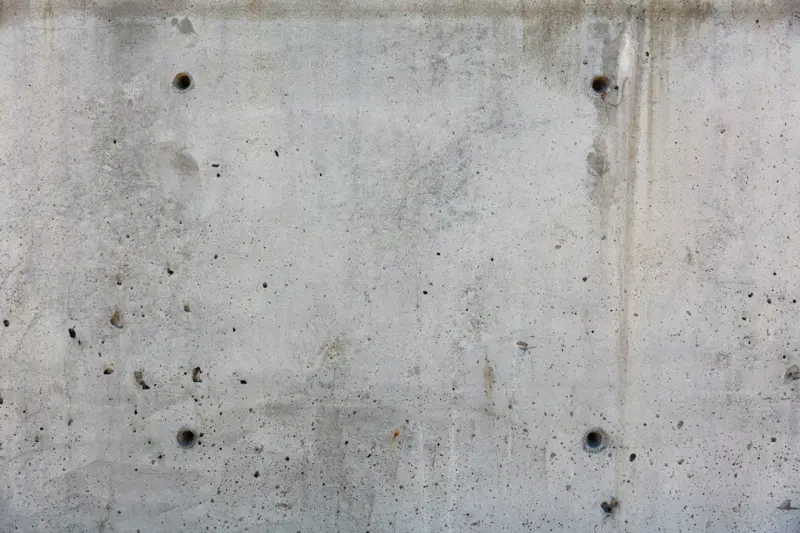
The Quiet Revolution Beneath Our Feet: Self‑Healing Concrete
When I first stepped onto a construction site fresh out of college, the scent of fresh cement was the scent of possibility. Decades later, that scent still triggers a smile, but it now carries a new nuance: curiosity about a concrete that can fix its own cracks. This isn’t a futuristic fantasy; it’s an emerging reality that promises to reshape durability, lifecycle costs, and even sustainability metrics for the built environment.
What Is Self‑Healing Concrete?
Self‑healing concrete is a composite material engineered to seal micro‑cracks that inevitably form as concrete ages and endures load cycles. The “healing” mechanisms vary, but the most common approaches fall into two categories:
- Biological Healing: Embedding dormant bacteria (usually Bacillus species) that activate when water seeps into a crack, converting supplied calcium lactate into calcium carbonate—essentially growing limestone to fill the void.
- Chemical Healing: Incorporating microcapsules filled with polymerizing agents that rupture upon cracking, releasing a glue‑like substance that bonds the fissure together.
Both methods aim to restore the concrete’s integrity before water and chlorides can exploit the fissure, which would otherwise accelerate corrosion of embedded steel reinforcement.
Why It Matters to Facility Managers and Owners
Concrete is the backbone of commercial, industrial, and even residential structures. Yet, the hidden cost of concrete deterioration is staggering. According to industry surveys, the average building spends up to 15 % of its total maintenance budget on concrete repairs alone. Self‑healing concrete offers three compelling financial levers:
- Reduced Repair Frequency: By sealing micro‑cracks automatically, the need for manual patching drops dramatically.
- Extended Service Life: Structures retain structural capacity longer, delaying costly major renovations or replacements.
- Lower Inspection Overhead: With the material doing part of its own monitoring, the frequency of intensive visual inspections can be safely reduced.
For a portfolio manager juggling dozens of assets, those savings compound quickly, turning what once felt like an inevitable expense into a strategic advantage.
How It Performs in the Real World
Field trials across Europe, Asia, and North America have documented healing efficiencies ranging from 70 % to 95 % of crack width within a 28‑day period after water exposure. In practice, this means:
- Cracks that would normally widen under freeze‑thaw cycles stay sealed.
- Corrosion initiation in reinforcement bars is delayed by years.
- Surface permeability drops, improving resistance to chemical ingress.
One pilot project in a coastal warehouse used bacterial self‑healing concrete for its loading bays. After two years, the facility reported zero concrete‑related maintenance tickets, a stark contrast to neighboring structures that required quarterly crack sealing.
Integrating Self‑Healing Concrete into Existing Workflows
Adopting this technology isn’t a radical overhaul of your supply chain, but it does require a few adjustments:
- Mix Design Collaboration: Work closely with your concrete supplier to select the appropriate healing system (bacterial vs. polymeric) based on climate, exposure, and structural demands.
- Quality Assurance Protocols: Verify the viability of the healing agents through lab testing—especially crucial for the biological approach, where bacterial viability can be temperature‑sensitive.
- Specification Updates: Include performance‑based clauses that reference healing metrics (e.g., “≥ 80 % crack closure within 30 days”).
These steps are analogous to introducing any new additive, such as a high‑range water reducer, and can be incorporated into standard concrete procurement processes.
Synergy with Other Emerging Technologies
Self‑healing concrete does not exist in isolation. Its benefits amplify when paired with digital twin platforms that monitor structural health in real time. Sensors embedded in the slab can flag crack formation, while the concrete’s internal healing mechanisms address the issue automatically—creating a feedback loop that reduces manual intervention.
Moreover, when combined with carbon‑negative concrete breakthroughs, the environmental footprint shrinks from both ends: fewer repairs mean less embodied energy spent on new cement, and the healing process itself can be designed to use low‑impact, bio‑based agents.
Addressing Common Concerns
Cost Premium: Initial material costs are typically 5‑15 % higher than conventional concrete. However, life‑cycle cost analyses consistently show payback periods under five years in high‑traffic or aggressive environments.
Performance Certainty: The technology has matured to the point where standardized test methods (e.g., ASTM C1723 for bacterial healing) are available. Manufacturers now provide performance guarantees tied to specific crack widths and exposure conditions.
Regulatory Acceptance: Building codes in several jurisdictions have started referencing self‑healing concrete in supplemental material sections, especially for infrastructure projects where durability is paramount.
Future Outlook: From Self‑Healing to Self‑Optimizing
The next frontier goes beyond merely sealing cracks. Researchers are experimenting with smart healing agents that release corrosion inhibitors, moisture‑absorbing polymers, or even nanomaterials that reinforce the surrounding matrix. Imagine a concrete slab that not only patches a fissure but also strengthens the adjacent area, essentially “learning” from each stress event.
Such innovations dovetail with the broader data‑driven construction ecosystem. As IoT sensors become ubiquitous, the data they generate can inform the design of next‑generation concrete mixes that respond dynamically to real‑world loads, temperature swings, and humidity changes.
Practical Steps to Pilot Self‑Healing Concrete
- Identify a Target Area: Choose a high‑impact zone—like a loading dock or an exterior retaining wall—where crack formation has historically been a pain point.
- Partner with a Supplier: Engage a concrete producer that offers certified self‑healing mixes. Request sample batches and performance data.
- Set Baseline Metrics: Document existing crack patterns, moisture levels, and reinforcement exposure. This provides a clear before‑and‑after comparison.
- Install Monitoring Sensors: Deploy a small network of strain gauges or acoustic emission sensors to capture real‑time data during the pilot.
- Analyze Results: After a 12‑month period, assess crack closure rates, maintenance cost reductions, and any ancillary benefits such as improved thermal performance.
By treating the pilot as a data experiment, you can build a compelling business case for broader rollout across your asset portfolio.
Conclusion: A Subtle Yet Powerful Shift
Self‑healing concrete isn’t a headline‑grabbing, flash‑in‑the‑pan technology—it’s a quiet evolution that aligns with the core objectives of durability, cost efficiency, and sustainability. For professionals who have spent a career wrestling with concrete deterioration, the prospect of a material that actively mitigates its own weaknesses feels almost poetic.
Whether you’re overseeing a single retail façade or a sprawling industrial campus, consider how this “living” material can become a strategic asset, reducing maintenance headaches, extending service life, and supporting broader sustainability goals. In the words of many forward‑thinking facilities teams, the future of concrete is not just strong—it’s smart.
And if you’re already exploring how to make your structures more resilient, you may find inspiration in related innovations like custom concrete pours for branding—proof that concrete can be both functional and expressive.

Tom Ferguson is a Canadian freelance writer with a passion for storytelling, current events, and thoughtful commentary. Drawing on years of writing experience, he shares engaging insights on a wide range of topics, bringing a uniquely Canadian perspective to his work.
Related Posts
Concrete as a Creative Canvas: Transforming Spaces with Sustainable Style
Explore the artistic side of concrete, from stamping and staining to eco‑friendly mixes, and learn... Read More
Concrete as a Living Platform: Embedding Intelligence in the Build
A deep dive into the emerging practice of turning ordinary concrete into a living platform, with emb... Read More
Concrete’s Second Act: Green, Resilient, and Ready for Tomorrow
Concrete is undergoing a quiet revolution—low‑carbon cements, recycled aggregates, 3D printing, ... Read More
Top Posts
Future‑Proofing Your Basement: A Resilient Retreat for Storms and Smart Living
Discover a data‑driven, phased approach to waterproofing, intelligent walls, and adaptive design that turns any basement into a resilient, smart living space ...Read More

The Importance of Professional Help in Home Maintenance
Maintaining a home can be daunting, but with professional help, homeowners can enjoy a beautiful, functional, and safe living space. Learn about the importance ...Read More

The Ultimate Renovation Checklist for First‑Time Homeowners
A comprehensive, step‑by‑step renovation checklist that helps first‑time homeowners plan, budget, hire, and execute remodels without the usual stress....Read More

Reviving Historic Woodwork: A Step‑by‑Step Restoration Guide
A detailed guide walks you through assessing, repairing, and finishing original woodwork, blending heritage preservation with today’s performance standards....Read More
0 Comments
Post Comment
You will need to Login or Register to comment on this post!