
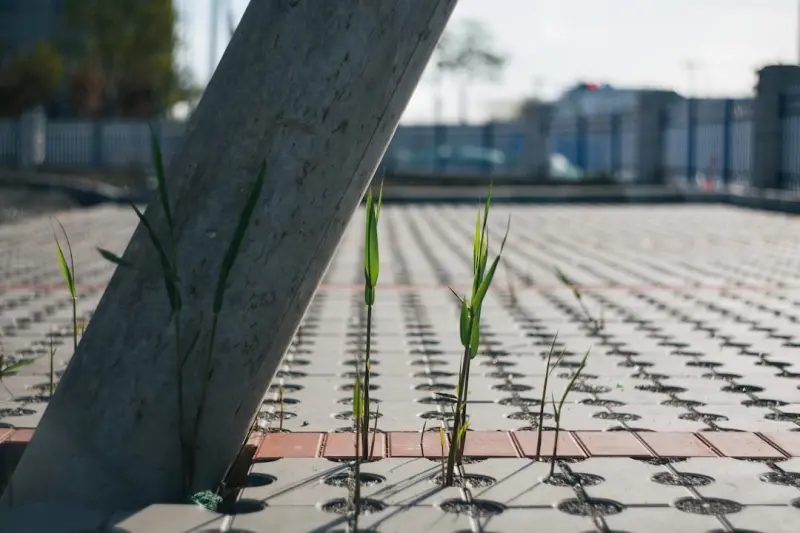
Why Concrete Is the Unsung Hero of Sustainable Design
When I first stepped onto a freshly poured slab, I felt the weight of history and the promise of the future in the same breath; concrete has been the backbone of civilization for centuries, yet today it’s quietly evolving into a greener, smarter material that can redefine how we build. Low‑carbon mixes, recycled aggregates, and innovative curing techniques are turning what was once a carbon‑intensive liability into a net‑positive asset, especially when paired with renewable energy sources on construction sites. As someone who has overseen countless remodels, I’ve learned that the real magic happens when the concrete’s thermal mass is harnessed to reduce heating and cooling loads, effectively lowering utility bills while enhancing indoor comfort.
From Traditional Mixes to Eco‑Friendly Formulations
Modern concrete formulations now incorporate fly ash, slag, and even captured CO₂, creating blends that can cut embodied carbon by up to 40 percent without sacrificing strength or durability, a fact I’ve verified on several commercial renovations where performance mattered as much as sustainability. By substituting a portion of Portland cement with these industrial by‑products, we not only divert waste from landfills but also reduce the demand for virgin raw materials, a win‑win that resonates with both contractors and eco‑conscious clients. The shift towards geopolymer concrete and other low‑emission alternatives is gaining momentum, especially in projects that aim for certifications like LEED or WELL, where every kilogram of CO₂ saved counts toward the overall score.
Designing with Concrete for Energy Efficiency
One of the most rewarding aspects of working with concrete is its ability to act as a thermal battery, absorbing heat during the day and releasing it slowly at night, which can dramatically flatten the building’s heating and cooling peaks. When I collaborate with architects, we often specify thick slab‑on‑grade floors combined with radiant heating systems, allowing the concrete’s mass to distribute warmth evenly while using far less energy than forced‑air solutions. Pairing this approach with high‑performance insulation—like the strategies detailed in Unlocking the Hidden Power of Insulation for a Smarter, Sustainable Home—creates a synergistic envelope that maximizes comfort and minimizes waste.
Integrating Concrete with Smart Home Technologies
Smart home ecosystems are no longer limited to lighting and thermostats; they’re expanding into the very fabric of the building, and concrete is proving to be an ideal platform for embedded sensors that monitor humidity, temperature, and structural health in real time. I’ve overseen installations where wireless sensor networks are woven into the concrete during placement, providing homeowners and facility managers with instant alerts on potential moisture intrusion—a key concern that ties directly into the insights from Waterproofing Secrets for the Modern Sustainable Home. By coupling these data streams with AI‑driven analytics, we can fine‑tune HVAC operation, predict maintenance needs, and even adjust shading devices automatically, turning a static slab into a living, responsive component of a smarter home.
Concrete Aesthetics: From Brutalism to Biophilic Beauty
Gone are the days when concrete was relegated to cold, monolithic structures; today’s designers are embracing polished finishes, exposed aggregates, and colored integrals that bring warmth and personality to interiors and exteriors alike. I love the tactile contrast of a smooth, matte surface against a lush, vertical garden—a biophilic pairing that softens the material’s industrial roots while enhancing air quality and occupant well‑being. Adding decorative form liners or stamping patterns during the pour can also create unique visual narratives, allowing a single slab to serve as both structural foundation and artistic statement, a dual purpose that resonates with clients seeking both function and flair.
Durability and Lifecycle Benefits of High‑Performance Concrete
When we talk sustainability, longevity is a critical metric, and high‑performance concrete delivers on that front by resisting cracking, freeze‑thaw cycles, and chemical attacks far better than traditional mixes. In my experience, projects that invest in proper mix design and quality control see lifecycle cost reductions of up to 30 percent, as maintenance and replacement intervals are dramatically extended—a compelling argument for developers focused on long‑term ROI. Moreover, the reduced need for frequent repairs aligns perfectly with circular economy principles, where materials are kept in use for as long as possible before being responsibly recycled at the end of their service life.
Concrete in Renovation: The Sustainable Shortcut
Retrofitting existing structures often presents a dilemma: how to improve performance without tearing down the building envelope, and concrete offers a surprisingly elegant solution. By applying thin‑layer shotcrete or overlay systems, we can enhance thermal mass, improve fire resistance, and seal out moisture without the waste and disruption of full demolition, a tactic highlighted in The Ultimate Renovation Checklist for a Sustainable Smart Home. This approach not only conserves resources but also preserves the cultural and architectural character of historic buildings, making sustainability a bridge between past and future rather than a force of demolition.
Future Trends: 3D‑Printed Concrete and Modular Construction
The next frontier for concrete lies in additive manufacturing and modular building systems, where precision‑engineered components are printed on‑site or prefabricated in controlled factories, reducing waste, labor, and construction time dramatically. I’ve witnessed pilot projects where intricate lattice structures are printed directly from low‑carbon concrete mixes, achieving strength-to-weight ratios previously impossible with conventional methods, while also integrating channels for utilities and sensor networks. As these technologies mature, we can expect a surge in customizable, sustainable housing solutions that combine the timeless durability of concrete with the flexibility and efficiency demanded by modern urban living.
Practical Tips for Homeowners and Builders
Whether you’re a DIY enthusiast or a seasoned contractor, there are simple steps you can take today to make your concrete projects greener and smarter.
- Choose mixes with high fly‑ash or slag content to lower carbon footprints.
- Incorporate moisture‑monitoring sensors during the pour for proactive maintenance.
- Pair concrete slabs with radiant floor heating and high‑R insulation for optimal energy performance.
- Consider decorative finishes that enhance durability while adding aesthetic value.
By following these guidelines, you’ll not only create a resilient foundation but also contribute to a more sustainable built environment, proving that even the most foundational material can evolve with the times.

Tom Ferguson is a Canadian freelance writer with a passion for storytelling, current events, and thoughtful commentary. Drawing on years of writing experience, he shares engaging insights on a wide range of topics, bringing a uniquely Canadian perspective to his work.
Related Posts
Carbon‑Negative Concrete: Buildings as Climate Heroes
Concrete is evolving from a gray, static material into a climate ally. This post dives into carbonâ€... Read More
Concrete Reinvented: Turning Grey Slabs into Green Assets
Concrete is shedding its reputation as a static, carbon‑heavy material. This article examines cutt... Read More
Concrete Innovations That Are Reshaping Modern Construction
Explore the latest concrete breakthroughs—from ultra‑high‑performance mixes to 3D printing and... Read More
Top Posts
The Sustainable Closet: How Eco-Friendly Design Can Transform Your Storage Space
Discover the benefits of sustainable closet design and learn how to create a greener storage space with eco-friendly materials, energy-efficient lighting, and o...Read More

Awning Innovation: Turning Shade into Strategy for Modern Businesses
A modern awning does more than block the sun; it becomes a branding tool, energy saver, and data source. Discover the latest smart and sustainable awning techno...Read More
The Art of Home Restoration: A Comprehensive Guide
Home restoration is a journey that requires patience, dedication, and expertise. Learn about the importance of professional help, renovation techniques, and key...Read More
Spotting Hidden Home Issues Before They Cost a Fortune
Discover practical ways to spot hidden problems in your home early, avoid expensive fixes, and maintain a safe, efficient living space....Read More
0 Comments
Post Comment
You will need to Login or Register to comment on this post!