
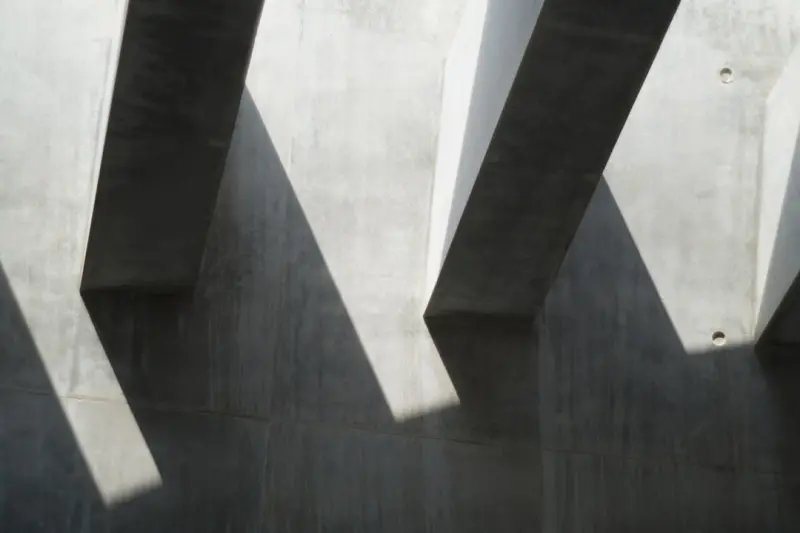
Concrete’s Quiet Revolution
When I first stepped onto a freshly poured slab, the cool, solid surface reminded me that concrete is more than a bland gray filler—it’s the backbone of modern habitats, silently bearing the weight of our daily routines while evolving in ways most homeowners never imagine; this evolution is not driven by hype but by a relentless pursuit of performance, sustainability, and aesthetic versatility that has turned a traditional building material into a platform for innovation. Over the past decade, I’ve watched manufacturers push the limits of what a mix can achieve, blending chemistry with engineering to create blends that cure faster, last longer, and even adapt to environmental stresses, proving that concrete’s future is as dynamic as the cities it constructs. Concrete innovation is now a conversation about carbon footprints, digital fabrication, and design freedom, inviting us to rethink how we interact with walls, floors, and foundations.
Ultra‑High‑Performance Concrete (UHPC) and Sustainability
The rise of ultra‑high‑performance concrete has reshaped the industry’s expectations, delivering compressive strengths that eclipse traditional mixes by a factor of two while maintaining a sleek, low‑porosity surface that resists cracking and weathering, meaning fewer repairs and a dramatically reduced lifecycle impact; this performance is achieved through a meticulous selection of fine powders, silica fume, and super‑plasticizers that create a dense matrix, allowing engineers to design slimmer structural elements that use less material without compromising safety. What excites me most is UHPC’s potential to lower the carbon intensity of construction projects when paired with supplementary cementitious materials like fly ash or slag, which replace a portion of the clinker and cut emissions; the result is a greener, more resilient built environment that aligns with both regulatory pressures and homeowner values.
3D‑Printed Concrete: From Concept to Reality
Imagine a world where an architect sketches a complex, curvilinear façade on a tablet, uploads the design to a cloud‑based slicer, and watches a gantry‑mounted extruder lay down concrete layers with centimeter‑level precision, creating forms that would have taken weeks of labor and countless custom molds; this is the promise of 3D‑printed concrete, a technology that merges additive manufacturing with on‑site construction, dramatically reducing waste, labor costs, and construction timelines while opening a playground of geometric possibilities. The material used for printing is specially engineered to retain shape without excessive formwork, often incorporating rapid‑setting admixtures and lightweight aggregates that keep the dead load manageable; as the industry refines nozzle designs and software algorithms, we’re seeing projects ranging from residential homes with organic interiors to pedestrian bridges that look like flowing rivers, each illustrating how digital tools can democratize sophisticated concrete applications.
Decorative Concrete: Elevating Interior Aesthetics
Gone are the days when concrete floors were relegated to industrial warehouses; today, designers are embracing decorative concrete to create interiors that are both sturdy and visually captivating, using techniques such as stamping, staining, and polishing to mimic natural stone, wood, or even abstract art, all while preserving the material’s inherent durability; the process often begins with a base mix enriched with pigments that provide a uniform hue, followed by a textured overlay that can be stamped with patterns reminiscent of cobblestones, flagstones, or bespoke motifs, delivering a tactile experience underfoot. Polished concrete floors have become a staple in loft conversions and modern offices, offering a sleek, reflective surface that enhances light distribution and reduces the need for additional flooring, while integral floor heating can be seamlessly incorporated, turning a cold slab into a comfortable, energy‑efficient living space.
Thermal Mass Benefits and Foundation Synergy
One of concrete’s most underrated qualities is its ability to act as a thermal mass, absorbing heat during the day and releasing it slowly when temperatures dip, which can dramatically lower heating and cooling demands in climates with pronounced temperature swings, a principle that works best when the material is strategically placed in floors, walls, or foundations; by integrating concrete with radiant floor heating systems, homeowners can enjoy even temperature distribution with minimal energy waste, creating a comfortable environment that feels natural. This synergy becomes especially powerful when paired with thoughtful foundation design—a topic explored in depth in Rethinking Building Foundations—where the concrete slab not only supports the structure but also serves as a heat‑store, reducing reliance on mechanical HVAC and contributing to a greener home footprint.
Self‑Healing Concrete: The Future of Maintenance‑Free Structures
Imagine a concrete wall that can seal its own cracks, much like skin healing a wound; self‑healing concrete makes this a reality by embedding microcapsules filled with healing agents such as sodium silicate or polymeric compounds that rupture when fissures form, releasing their contents to react with moisture and form a cementitious seal, effectively restoring the integrity of the matrix without human intervention; this technology is particularly valuable in harsh environments where moisture ingress and freeze‑thaw cycles accelerate deterioration, offering a proactive solution that extends service life and cuts long‑term repair costs. Researchers are also experimenting with bacteria‑based healing systems that precipitate calcium carbonate when exposed to water, providing an eco‑friendly alternative that not only repairs but also enhances the concrete’s compressive strength over time, turning maintenance from a reactive expense into a built‑in resilience feature.
Recycled Aggregates and Low‑Carbon Binders
As the construction sector grapples with climate responsibilities, the incorporation of recycled aggregates—crushed concrete from demolition sites—into new mixes has emerged as a pragmatic approach to divert waste from landfills while conserving natural resources, allowing a significant portion of the coarse aggregate to be substituted without compromising structural performance; when combined with low‑carbon binders like geopolymer cement, which utilizes industrial by‑products such as fly ash, the resulting concrete can achieve a carbon footprint reduction of up to 70 percent compared to conventional Portland cement. Homeowners looking to upgrade flooring or outdoor patios can benefit from these greener mixes, especially when they consult resources like Flooring Fundamentals, which outlines how material choices impact indoor air quality and long‑term durability, ensuring that sustainability does not come at the expense of comfort.
DIY Concrete Mastery: Practical Tips for the Homeowner
- Choose the right mix: For most residential projects, a 1‑part cement to 2‑parts sand to 3‑parts gravel ratio provides a balanced strength while remaining manageable for hand mixing.
- Control water content: Keep the water‑to‑cement ratio between 0.40 and 0.45; too much water weakens the cure, while too little makes the mix unworkable.
- Use additives wisely: Super‑plasticizers can improve flow without extra water, and retarders extend working time on hot days.
- Prepare the subgrade: Ensure a compacted, level base; a polyethylene vapor barrier prevents moisture migration that could cause surface blemishes.
- Cure properly: Cover the slab with a curing blanket or plastic sheet for at least 48‑hours to retain moisture and achieve optimal strength.
- Finish with purpose: For polished floors, allow the slab to cure fully before grinding, then apply a densifier to enhance hardness and sheen.
Following these steps not only yields a professional‑grade finish but also empowers homeowners to take control of a material that traditionally seemed reserved for contractors, turning concrete work into a rewarding, confidence‑building DIY experience.
Looking Ahead: Concrete as a Canvas for Sustainable Living
The trajectory of concrete technology points toward a future where the material is not merely a passive backdrop but an active participant in sustainable living, integrating sensors that monitor structural health, embedding phase‑change materials for thermal regulation, and adapting to circular economy principles that prioritize reuse and minimal waste; as we continue to experiment with bio‑based binders, carbon‑capture additives, and modular printing techniques, the possibilities for creating homes that are resilient, energy‑efficient, and aesthetically bold become ever more attainable. I encourage readers to stay curious, explore the emerging tools and resources, and consider how the next concrete project—be it a patio, a driveway, or a full‑scale foundation—can embody the cutting‑edge innovations discussed here, turning ordinary construction into a statement of forward‑thinking stewardship.

Paul Gray is a dynamic blogger based in Brampton, where he shares his life with his amazing wife, Sarah. Known for his engaging writing style and relatable insights, Paul has carved out a niche in the blogging world that resonates with readers from all walks of life. When he's not crafting captivating posts, you can find him savoring a cold beer or indulging in the latest blockbuster movie. With a friendly demeanor and a passion for storytelling, Paul brings a unique perspective to his work, making him not just a blogger, but a voice for those who appreciate the simple joys of life.
Related Posts
Concrete Reinvented: Turning Grey Slabs into Green Assets
Concrete is shedding its reputation as a static, carbon‑heavy material. This article examines cutt... Read More

Carbon‑Negative Concrete: How the Industry Is Rewriting Its Green Playbook
Concrete is undergoing a climate makeover. By swapping traditional cement for low‑carbon binders, ... Read More
Concrete as the Silent Hero of Sustainable Smart Homes
Explore the hidden eco‑benefits of modern concrete, its role in smart home integration, and why th... Read More
Top Posts

Unlocking the Future: How Smart Windows and Doors Redefine Home Living
Explore the latest innovations in windows and doors—dynamic glass, smart locks, acoustic insulation, and solar glazing—that boost comfort, security, and ene...Read More
The Future of Design Build: Sustainable Outdoor Spaces Take Center Stage
Sustainable outdoor spaces are no longer just a nicety, but a necessity in modern design build. Learn how to incorporate eco-friendly materials, energy-efficien...Read More

The Smart Thermostat Revolution: Turning Your HVAC into a Home Energy Coach
A deep dive into how predictive zoning, grid integration, and open standards are turning today’s smart thermostats into essential energy coaches that boost co...Read More

Lighting as Narrative: Crafting Mood with Layered Light
Explore the power of layered lighting—ambient, task, and accent—to create mood, support function, and add sustainable elegance to any interior space....Read More
0 Comments
Post Comment
You will need to Login or Register to comment on this post!