
Why Insulation Is the Unsung Hero of Sustainable Living
When I first started swapping out old windows for smarter, energy‑efficient models, I quickly realized that the true game‑changer was hidden behind my walls: insulation. A well‑insulated envelope acts like a thermal blanket, keeping heat where you want it in winter and out where you need it in summer, dramatically slashing utility bills while reducing carbon footprints. Proper insulation also stabilizes indoor humidity, curbing mold growth and preserving the longevity of structural components, which means fewer replacements and less waste over a home’s lifecycle. My journey taught me that without a solid insulation strategy, even the most advanced smart thermostats and solar panels struggle to deliver their promised savings.
In practice, the choice of insulation material is as much about performance as it is about personal values. Fiberglass, cellulose, spray foam, and mineral wool each bring distinct R‑values, environmental footprints, and installation quirks. For instance, cellulose, made from recycled paper, offers impressive thermal resistance while diverting waste from landfills, embodying the circular economy mindset I champion. Meanwhile, spray foam creates an airtight seal that pairs perfectly with smart home sensors, ensuring the data they collect reflects genuine occupancy patterns rather than drafts and leaks. Understanding these nuances empowers homeowners to align their insulation decisions with broader sustainability goals, turning a simple upgrade into a statement of intent.
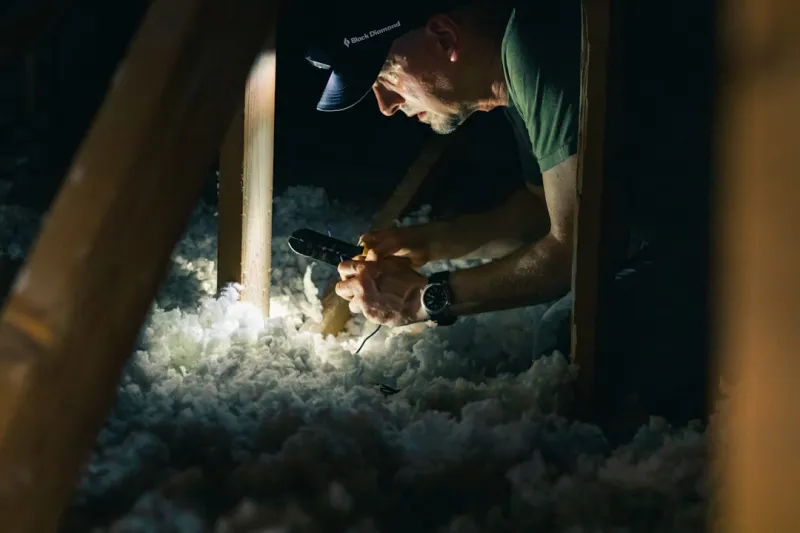
Beyond material selection, proper installation is non‑negotiable. Gaps, compression, and missed spots can reduce effectiveness by up to 30%, eroding both comfort and cost‑savings. I’ve spent countless weekends in crawl spaces, wielding a utility knife and a blower, painstakingly ensuring every nook is filled to the correct depth. This hands‑on approach not only guarantees optimal performance but also provides a visceral connection to the house, reinforcing the principle that sustainable upgrades thrive on diligent craftsmanship. As we move toward smarter, more interconnected homes, the integrity of the building envelope remains the foundation upon which every digital convenience stands.
Integrating Insulation with Smart Home Technologies
Smart thermostats, occupancy sensors, and predictive heating algorithms all rely on accurate temperature data, which is only as reliable as the insulation that shields the indoor environment from external fluctuations. When I paired my upgraded attic insulation with a learning thermostat, the device stopped “chasing” heat loss, recognizing that the house retained warmth much longer than before. This synergy led to a 25% reduction in heating cycles, translating to tangible financial savings and a smaller carbon imprint. The lesson here is clear: insulation upgrades amplify the efficacy of every smart device you install.
To fully harness this synergy, consider integrating Ultimate Renovation Checklist into your project plan. The checklist highlights critical steps like sealing ductwork, adding vapor barriers, and calibrating sensors post‑installation, ensuring that each smart component communicates accurately with the insulated envelope. By following a systematic approach, you avoid common pitfalls such as sensor drift caused by unsealed penetrations or misreadings from thermal bridges. This holistic view transforms a series of isolated upgrades into a cohesive, intelligent ecosystem that works harmoniously to reduce energy waste.
Moreover, modern insulation products are increasingly designed with smart integration in mind. Some spray‑foam formulas embed conductive fibers that can act as low‑voltage pathways for temperature monitoring, feeding real‑time data to central hubs without additional wiring. Others incorporate phase‑change materials (PCMs) that store and release thermal energy, smoothing out temperature spikes and providing a buffer for smart HVAC systems. Embracing these cutting‑edge options positions your home at the forefront of sustainable, data‑driven living, where every degree of heat is accounted for and leveraged for maximum efficiency.
Practical Steps for DIY Insulation Success
Embarking on a DIY insulation project can feel daunting, but breaking it into manageable stages demystifies the process. Begin with a thorough audit: locate the most vulnerable areas such as attics, basements, and exterior walls, then prioritize based on heat loss calculations or infrared scanning results. Once you’ve mapped the hot spots, gather the right tools—protective gear, a high‑capacity blower, and a reliable measuring tape—to ensure safety and precision throughout the installation.
Next, choose the insulation type that aligns with your climate and performance goals. For attic retrofits, loose‑fill cellulose blown with a machine offers superior coverage and can be installed relatively quickly, especially when you’ve pre‑sealed all air leaks. If you’re tackling interior walls, consider closed‑cell spray foam for its dual role as insulation and air barrier, though it requires careful handling and proper ventilation. Remember to wear a respirator, gloves, and eye protection, as the fibers and chemicals can irritate skin and lungs. Detailed step‑by‑step guides, like those found in Sustainable Sanctuary Design, can walk you through each phase, from measuring cavity depth to achieving a uniform density.
Finally, verify your work with a post‑installation inspection. Use an infrared camera or a simple handheld thermometer to spot cold bridges or missed sections, then address any deficiencies immediately. Seal around penetrations—pipes, wiring, and vents—with appropriate fire‑rated caulking to maintain the integrity of the envelope. Document the R‑values achieved and the areas upgraded; this record not only aids future renovations but also serves as valuable data when adjusting your smart home’s energy‑management algorithms. By coupling meticulous DIY practices with strategic smart‑home integration, you create a resilient, efficient living space that stands the test of time and technology.

Tom Ferguson is a Canadian freelance writer with a passion for storytelling, current events, and thoughtful commentary. Drawing on years of writing experience, he shares engaging insights on a wide range of topics, bringing a uniquely Canadian perspective to his work.
Related Posts
The Evolution of Insulation: How Modern Materials Are Changing the Game
Insulation has come a long way in recent years, with modern materials and technologies offering supe... Read More

The Hidden Power of Insulation: Comfort, Health, and Future‑Proofing Your Home
Explore insulation beyond temperature control—learn about acoustic benefits, eco‑friendly option... Read More
The Quiet Revolution: How Insulation Transformed My Home Comfort and Bills
Learn the insider tricks Kelly Reynolds used to turn insulation into a powerhouse of comfort, energy... Read More
Top Posts
The Art of Drywall: From Rough‑In to Finish
A seasoned pro shares step‑by‑step drywall insights—planning, material choice, hanging, taping, sanding, and acoustic tricks—to help you achieve flawles...Read More

Turning Your Backyard into a Low‑Maintenance Pollinator Haven
A practical guide to designing a thriving pollinator-friendly garden that looks great year‑round while staying easy on time and resources....Read More

Countertop Revolution: AI, Sustainability, and the Future of Workspaces
Modern countertops are evolving from static slabs into intelligent platforms that blend AI‑optimized material selection, antimicrobial technology, and circula...Read More

The Quiet Guardians: Why Proactive Tree Care Is Essential for Every Property
A seasoned arborist explains the hidden economics and functional benefits of proactive tree care, offering a practical framework for property managers to protec...Read More
0 Comments
Post Comment
You will need to Login or Register to comment on this post!