
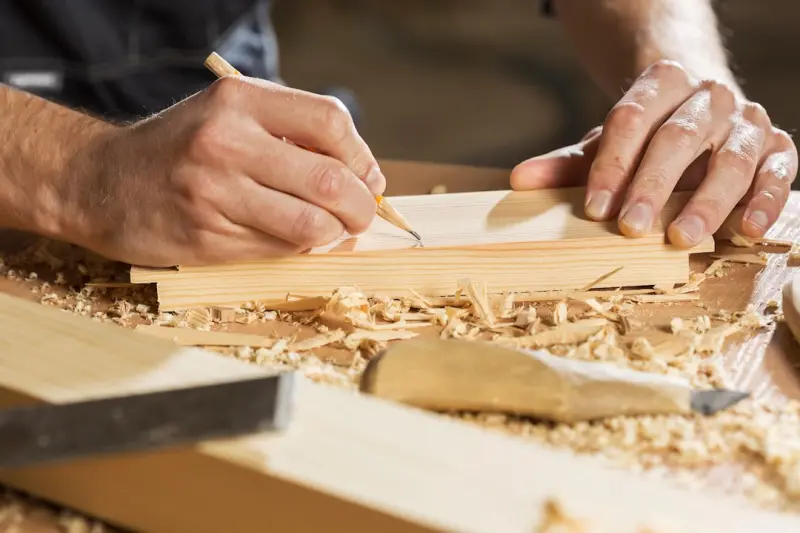
Why Woodworking Is Having a Quiet Revolution
When most people think of woodworking, they picture a dusty shop, a hand‑plane, and a stack of raw timber waiting to be transformed. That image is still accurate, but it’s only half the story. Over the past few years, I’ve watched a subtle shift: artisans are blending age‑old joinery with data‑driven design, sustainability is becoming a core metric, and the very definition of “craft” is expanding to include community‑focused experiences. In this piece, I’ll walk you through the forces reshaping our workshop and how you can ride the wave without losing the soul of the craft.
The Rise of Tech‑Enabled Woodworking
Don’t get me wrong—nothing beats the feeling of a hand‑cut dovetail. Yet, the modern maker’s toolbox now includes CNC routers, laser engravers, and even AI‑assisted design platforms. The real magic happens when you let these tools amplify, not replace, your skill set.
For instance, a dynamic insulation mindset can be applied to wood. By using software to simulate how a panel will expand and contract with humidity, you can pre‑empt warping before the first cut. The result is a piece that retains its dimensional stability across seasons—something traditional woodworkers have chased for centuries.
Beyond precision, technology opens doors to personalization at scale. A client can upload a floor plan, adjust a few sliders, and instantly see a 3‑D rendering of a custom built‑in. The data feeds straight into the CNC, shaving hours off what used to be a manual drafting marathon.
Sustainable Material Sourcing: From Waste to Wonder
The wood industry has long been critiqued for deforestation, but the narrative is changing. Today’s woodworkers have access to reclaimed lumber sourced from old barns, de‑commissioned shipping pallets, and even discarded furniture. This circular approach not only reduces the carbon footprint but also adds a story layer that modern buyers crave.
When you select reclaimed material, you’re also inheriting a natural history of wear and patina. A weathered plank that once supported a farmhouse porch can become the centerpiece of a sleek, contemporary dining table. The juxtaposition of old and new creates a tactile dialogue that mass‑produced veneers simply cannot replicate.
To keep your sourcing transparent, consider partnering with local demolition firms or community recycling programs. Document each piece’s origin, and share that narrative on your website. In a marketplace saturated with generic “handcrafted” labels, authenticity becomes a differentiator.
Designing for Disassembly: The Future‑Friendly Furniture Model
One of the biggest challenges for woodworkers is designing pieces that outlive trends without becoming landfill fodder. The answer lies in “design for disassembly.” By employing mechanical joints—think mortise‑and‑tenon, dowels, or removable metal brackets—rather than permanent adhesives, you enable each component to be reused or recycled.
Take a modular bookshelf: each shelf slides into a frame using simple dowel pins. When the homeowner wants to reconfigure the unit, they can do so without tools or damage. This approach dovetails (pun intended) perfectly with the growing demand for adaptable living spaces, especially in urban apartments where square footage is premium.
Moreover, designing for disassembly aligns with the adaptive fencing philosophy of creating flexible, evolving environments. Your furniture becomes a part of that ecosystem, capable of shifting as lives shift.
The Quiet Power of Hand‑Tool Mastery
While technology and sustainability dominate headlines, the heart of woodworking remains tactile. There is an undeniable meditative quality to guiding a hand‑plane across a board, listening to the grain whisper under the blade. This mindfulness component is increasingly recognized for its mental‑health benefits.
Integrating regular hand‑tool sessions into a tech‑heavy workflow can prevent burnout. I schedule “slow‑craft” mornings where the only tool in the shop is a pull saw and a brace. The slower pace forces me to read the wood, anticipate its behavior, and make decisions without the safety net of software.
For those new to the craft, starting with a basic hand‑tool kit fosters a deeper appreciation for material limits. It also builds a foundation of skills that translate seamlessly to CNC programming—understanding how a grain will respond to a cutter head is a skill honed on the bench.
Building a Business Around Community Workshops
Beyond selling finished pieces, many woodworkers are turning their shops into experience hubs. Hosting weekend workshops, “make‑your‑own‑chair” evenings, or even collaborative builds for local non‑profits can generate additional revenue streams while cementing your brand as a community pillar.
These events have a twofold benefit: they demystify the craft for newcomers and create a pipeline of enthusiastic customers who value the process as much as the product. You can also partner with local schools to introduce kids to basic joinery—planting the seed for the next generation of makers.
From a marketing standpoint, workshops provide a wealth of content. Capture before‑and‑after photos, short video clips of participants’ reactions, and testimonials. Share them across social channels to amplify reach and showcase the tangible impact of your work.
Future‑Proofing Your Workshop: Space, Power, and Airflow
As you incorporate more equipment—CNCs, dust extraction units, and laser cutters—your workshop’s infrastructure must evolve. A common oversight is neglecting proper airflow, leading to dust accumulation that can damage both tools and health.
Start by mapping out a dust extraction network that captures particles at the source. Use sealed ducts that feed into a central filtration system, and consider an air‑quality monitor to maintain safe levels. Investing in a robust electrical plan (dedicated circuits for high‑draw equipment) prevents overloads and downtime.
Lastly, think about space modularity. Mobile workstations on lockable casters allow you to reconfigure the floor plan for different project phases—large‑scale cabinet builds one week, fine‑detail carving the next. This flexibility mirrors the adaptive design principles you apply to your furniture.
Conclusion: Crafting With Purpose in a Changing World
Woodworking today is a tapestry woven from tradition, technology, sustainability, and community. By embracing tools that enhance precision, sourcing materials responsibly, designing for longevity, and fostering human connections, you can build a practice that thrives both economically and ethically.
Remember, the grain of the wood tells a story; your choices as a maker decide how that story continues. Choose wisely, craft thoughtfully, and watch your workshop become not just a place of production, but a living, breathing hub of innovation.

Kelly Reynolds is a dynamic freelance writer hailing from the picturesque landscapes of Alberta. A master of the written word, she juggles her passion for storytelling with the exhilarating chaos of being a mother to five spirited children. With an impressive portfolio that spans various genres, Kelly captivates readers through her engaging blog posts and thought-provoking articles.
Related Posts
Turning Scraps into Signature Pieces: A Woodworker’s Journey with Reclaimed Materials
Explore the art of transforming reclaimed timber into beautiful, sustainable furniture. Follow exper... Read More
When Wood Meets Tech: Crafting Smarter Workshops for the Modern Maker
Explore the convergence of traditional woodworking with cutting‑edge technology—from real‑time... Read More
Building Calm: How Mindful Woodworking Transforms Workspaces
Explore the transformative power of mindful woodworking, a practice that blends tactile craftsmanshi... Read More
Top Posts

Resurrecting Original Hardwood Floors: A Homeowner’s Guide to Restoration and Value
Original hardwood floors can be the heart of a historic home, offering timeless beauty and lasting value. This guide walks you through assessment, restoration t...Read More

Embracing Sustainable Architectural Design: A New Era for Modern Homes
Sustainable architectural design is no longer a niche concern; it's a critical aspect of modern construction. Learn how to create eco-friendly buildings that ar...Read More

Eco‑Smart Wallpaper: Turning Walls Into Sustainable Brand Assets
Explore the rise of eco‑smart wallpaper as a strategic asset that blends sustainability, acoustic performance, and brand storytelling, turning ordinary walls ...Read More
Invisible Strength: How Smart Masonry Is Redefining Building Performance
Tom Ferguson shares how embedding sensors into bricks transforms age‑old masonry into a data‑driven, adaptive system, delivering predictive maintenance, ene...Read More
0 Comments
Post Comment
You will need to Login or Register to comment on this post!