
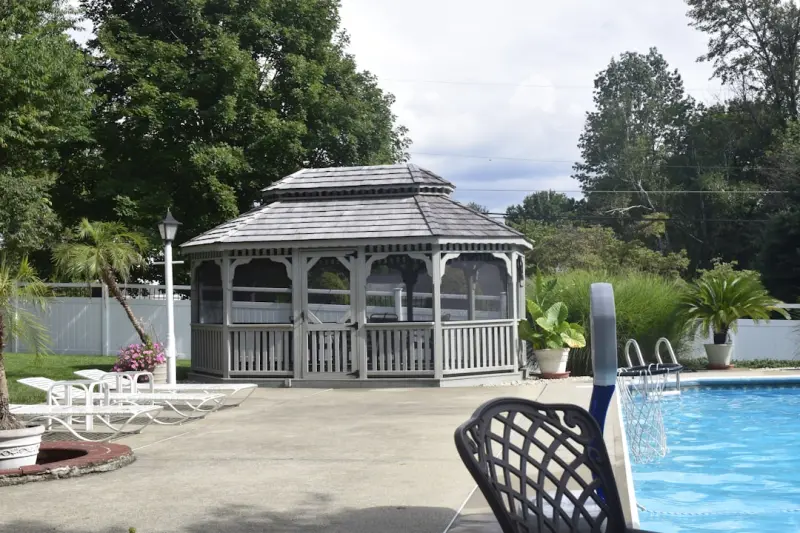
Why Your Backyard Is the Next Business Frontier
When most people think about expanding their revenue streams, the first places that come to mind are office towers, co‑working spaces, or maybe a sleek storefront on a busy street. What if I told you the most untapped commercial real estate sits right behind your kitchen door? I’m talking about sheds and gazebos—not as mere storage boxes or summer lounges, but as adaptable, revenue‑generating hubs that can power a side hustle, host a community workshop, or even act as a micro‑warehouse for e‑commerce.
From Rustic Storage to Revenue Engine
My own journey with backyard structures started the way most do: a need for a place to stash garden tools. The moment I added a simple workbench, the shed morphed into a creative studio. The line between “personal use” and “business use” blurred, and I realized that the same space could serve both. That realization sparked a broader investigation into how savvy entrepreneurs are re‑imagining these humble outbuildings.
Three Business Models That Thrive in Small Structures
- Pop‑Up Retail & Experience Zones – Think of a weekend artisanal market, a micro‑brewery tasting room, or a curated pop‑up boutique. A well‑finished gazebo offers shelter, a natural backdrop, and an inviting atmosphere without the overhead of a permanent lease.
- Micro‑Manufacturing & Craft Workshops – From woodworking to candle making, many makers need a dedicated, low‑traffic environment. A shed equipped with proper ventilation and power outlets becomes a legal, compliant space for small‑batch production.
- Last‑Mile Fulfillment Pods – For e‑commerce sellers, a shed can double as a secure, climate‑controlled storage unit that shortens delivery times for local customers, especially in suburban “last‑mile” scenarios.
Design Principles That Turn a Shed Into a Professional Space
While it may be tempting to slap a sign on a weather‑board and call it a day, a truly functional business shed or gazebo follows a few design fundamentals.
- Insulation & Climate Control – Even the most temperamental craft (think resin casting or fermenting) demands stable temperature and humidity. Adding rigid foam board or spray foam insulation, coupled with a small, energy‑efficient HVAC unit, creates a reliable environment.
- Power & Connectivity – Install a dedicated circuit with enough amperage for tools, lights, and perhaps a point‑of‑sale system. A high‑speed internet connection (wired Ethernet preferred) ensures you can process orders or stream live demos without hiccups.
- Modular Layout – Use mobile workstations, fold‑down tables, and stackable shelving. This flexibility lets you reconfigure the space overnight for a different activity—say, a morning woodworking session followed by an evening pop‑up shop.
- Brand‑Ready Aesthetics – A polished exterior, coordinated signage, and cohesive interior finishes convey professionalism. Consider reclaimed wood panels or metal accents that align with your brand story.
- Security Measures – Heavy‑duty locks, motion‑sensor lighting, and a simple video‑doorbell system protect inventory and equipment.
Smart Sheds: Bringing IoT Into the Backyard
We’ve all heard about smart office buildings that auto‑adjust lighting and climate. The same technology can be miniaturized for a backyard structure, delivering real‑time insights that keep your operation running smoothly.
- Energy Monitoring – A plug‑in energy monitor tracks power consumption of tools and lighting, helping you spot inefficiencies.
- Environmental Sensors – Temperature, humidity, and air‑quality sensors can trigger alerts on your phone if conditions drift out of range, protecting delicate products.
- Automated Access – Smart locks tied to a mobile app let you grant temporary access to collaborators or customers without handing over a physical key.
Integrating these low‑cost IoT devices is a far cry from the massive facility‑management systems discussed in real‑time energy audits, yet the principles of data‑driven optimization apply just the same.
Tax Benefits & Legal Considerations
Before you start charging rent for your gazebo, it’s crucial to understand the regulatory landscape.
- Home‑Based Business Deductions – The IRS allows you to deduct a portion of home expenses (mortgage, utilities, insurance) proportional to the space used for business. Keep detailed records and consult a tax professional to maximize this benefit.
- Zoning & Permits – Many municipalities require a permit for commercial activities, even if they’re seasonal. Check with your local planning department to avoid fines.
- Insurance Adjustments – Your homeowner’s policy may need a rider for commercial use. Liability coverage is essential if customers will be on your property.
Case Study: Turning a Classic Garden Gazebo into a Pop‑Up Coffee Bar
One of my clients, a retired graphic designer named Maya, wanted to share her love of specialty coffee with neighbors. She already had a charming, lattice‑covered gazebo on her patio. Here’s how she transformed it:
- Permitting & Layout – Maya obtained a temporary food‑service permit and designed a compact counter that folded away when not in use.
- Power & Water – She installed a waterproof, outdoor‑rated GFCI outlet and ran a discreet water line from the house to a small sink.
- Branding – A hand‑painted sign and a chalkboard menu gave the space a boutique feel. The natural wood matched her brand’s earthy aesthetic.
- Smart Features – A Bluetooth temperature sensor linked to her phone ensured the espresso machine stayed within optimal operating range.
Within three months, Maya’s weekend coffee pop‑up attracted a loyal following, and she began offering brewing workshops in the same gazebo—doubling her revenue without ever leaving her backyard.
Materials Matter: Choosing the Right Build for Your Business
If you’re starting from scratch, the material you select influences durability, aesthetics, and maintenance costs.
- Pressure‑Treated Wood – The most common choice, ideal for basic storage or a DIY workspace. It resists rot but requires periodic sealing.
- Cedar – Naturally resistant to insects and rot, cedar offers a premium look and a pleasant scent—great for a coffee bar or boutique.
- Metal – Steel or aluminum structures provide superior security and fire resistance. They pair well with a modern, industrial brand vibe.
- Composite Panels – Low‑maintenance and eco‑friendly, composites can mimic wood grain while standing up to harsh weather.
Integrating Craftsmanship: Leveraging Woodworking Trends
If you’re a maker, a shed can be the perfect showcase for the techniques you’re championing. For inspiration, explore live‑edge woodworking. Imagine a display cabinet built from a single slab of reclaimed oak, positioned in your gazebo, turning the structure itself into a product demonstration.
Marketing Your Backyard Business
Even the best‑designed shed needs foot traffic. Here are low‑budget tactics that work:
- Hyper‑Local Social Media Ads – Target a 5‑mile radius on platforms like Instagram and Facebook. Highlight the intimate, “by‑the‑garden” experience.
- Community Partnerships – Team up with neighboring businesses for cross‑promotions. A local yoga studio could host sunrise classes in your gazebo, while you offer post‑class smoothies.
- Event‑Based Pop‑Ups – Align with neighborhood festivals, farmers’ markets, or seasonal celebrations. A pop‑up gift‑wrapping station during the holidays can draw crowds.
- Google My Business – Claim a “virtual” storefront for your shed. Even if it’s a temporary location, the listing boosts local search visibility.
Future‑Proofing: Scaling Beyond the Backyard
What if your side hustle outgrows the shed? The modular nature of these structures makes scaling straightforward.
- Portability – Many prefabricated sheds can be disassembled and relocated to a larger lot or commercial space.
- Multi‑Site Networks – Replicate the model across multiple neighborhoods, creating a micro‑franchise network of pop‑up locations.
- Hybrid Online‑Offline Model – Use the shed as a fulfillment hub while expanding your e‑commerce presence. A small inventory stored on‑site can dramatically cut shipping times.
Getting Started: A Step‑by‑Step Checklist
- Define Your Business Model – Pop‑up retail? Workshop? Fulfillment?
- Research Zoning & Permits – Contact local planning office.
- Select a Structure – Choose material, size, and style that aligns with branding.
- Plan Utilities – Determine power, water, and internet needs.
- Invest in Smart Features – Sensors, smart locks, energy monitors.
- Design Interior Layout – Modular workstations, storage, branding elements.
- Set Up Insurance & Accounting – Home‑based business rider, expense tracking.
- Launch Marketing Campaign – Hyper‑local ads, community partnerships.
- Iterate – Gather feedback, adjust layout or services, and refine operations.
Conclusion: The Backyard Advantage
The beauty of sheds and gazebos lies in their flexibility. They are low‑cost, low‑risk platforms that let you test ideas, build a brand, and connect directly with your community—all without the burden of a traditional storefront. By treating your garden structure as a strategic asset rather than a mere storage solution, you unlock a hidden revenue channel that can evolve with your entrepreneurial ambitions.
So next time you glance at that weathered wooden shed, ask yourself: What could this space become? With a bit of planning, a sprinkle of technology, and a dash of creativity, the answer could be the next big thing in your business portfolio.
Ready to dive deeper? Check out 12 Home Hacks that can help you maximize the functionality of any small space, including your future business shed.

William Roy is a freelance writer originally from Montreal who moved to Ottawa with his wife of 50 years to be closer to their grandkids. Alongside his writing, William has a passion for fishing.
Related Posts
From Storage to Sanctuary: Reimagining Your Garden Shed as a Year‑Round Creative Retreat
Explore a step‑by‑step guide to redesigning a garden shed into a comfortable, multifunctional sa... Read More

Creating Eco-Friendly Outdoor Spaces: Sustainable Sheds and Gazebos
Learn how to create eco-friendly outdoor spaces with sustainable sheds and gazebos, reducing your en... Read More
Backyard Sheds & Gazebos: From Storage to Lifestyle Hubs
Explore practical upgrades, sustainable materials, and smart tech that turn ordinary backyard sheds ... Read More
Top Posts

Eco‑Focused Plastering: Green Materials & Future Techniques
A deep dive into modern plastering reveals eco‑friendly mixes, breathable walls for better indoor air, embedded sensors for real‑time monitoring, and prefab...Read More

Unlocking Hidden Comfort: DIY Insulation Hacks for Every Room
A practical, room‑by‑room guide shows how simple DIY insulation upgrades can dramatically improve comfort, cut energy costs, and add value to your home with...Read More

Warm Floors, Smart Data: Transforming Radiant Heating into a Business Asset
Explore the evolution of floor heating from a comfort feature to a data‑rich platform that drives energy efficiency, employee health, and strategic value for ...Read More

Insulation Insights: Turning Your Home’s Skin Into a Smart, Sustainable Shield
Explore a fresh take on insulation that balances eco‑friendly materials, smart home integration, and adaptive design to create a healthier, more resilient liv...Read More
0 Comments
Post Comment
You will need to Login or Register to comment on this post!