
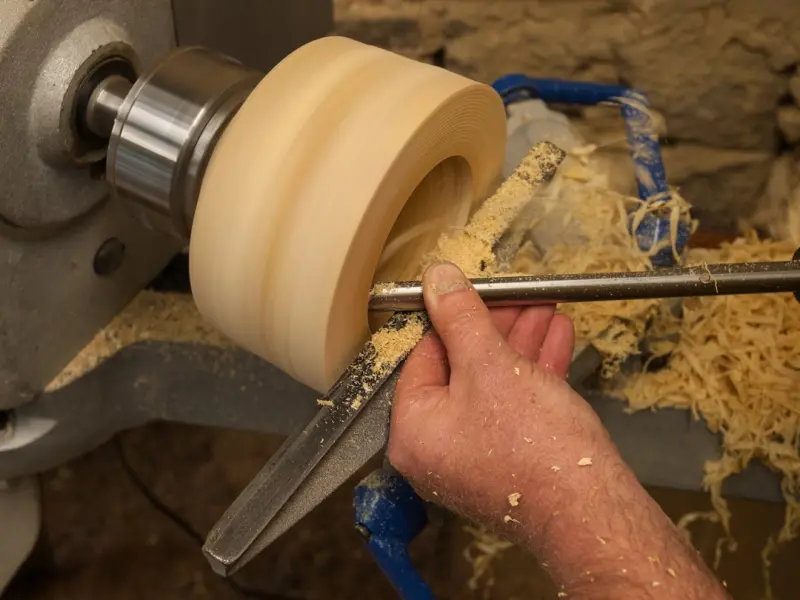
The Allure of Reclaimed Wood: Turning History into Handcrafted Art
When I first set foot in a weathered barn loft, the scent of aged timber whispered stories of generations past, and I felt an instant connection that still fuels my workshop today. That moment sparked a lifelong obsession with rescuing discarded lumber and coaxing it back to life, not merely as raw material but as a narrative thread woven into new creations. Reclaimed wood offers a tactile depth that pristine boards simply cannot match, turning every grain into a conversation starter and every knot into a character study.
Sustainability Meets Soulful Design
Choosing reclaimed lumber is more than an aesthetic decision; it is an intentional act of environmental stewardship that reduces demand for virgin timber and curtails landfill waste. Each piece I salvage carries a carbon credit that offsets the energy spent on new production, allowing me to craft furniture that feels responsible as it feels beautiful. By honoring the past, we create objects that serve the future, marrying ecological mindfulness with the timeless appeal of handcrafted woodwork.
Finding Treasure: Where to Source Quality Reclaimed Wood
My search for usable timber begins at local demolition sites, old barns, and even decommissioned shipping containers, where I negotiate with contractors who often overlook the hidden value in their waste. I also frequent community salvage yards, where volunteers separate and label each board, making the hunt both a social outing and a treasure map. The key is to develop relationships with these sources, offering fair compensation and a promise that the wood will be honored, not discarded again.
Assessing the Material: From Moisture to Grain Integrity
Before any board makes it to my bench, I conduct a thorough evaluation to ensure structural integrity and longevity, starting with a moisture meter reading that should hover between 8% and 12% for indoor use. I examine the grain pattern for consistency, noting any splits, rot, or insect damage that might compromise strength, and I always prioritize boards with tight, well‑aligned growth rings for load‑bearing projects. This disciplined inspection saves countless hours later and guarantees that the finished piece will stand the test of time.
Preparing the Past: Cleaning, Stripping, and Planing
The transformation from weathered relic to refined component begins with a meticulous cleaning regimen, using a gentle brush and low‑pressure wash to remove surface grime without saturating the wood. Next, I apply a biodegradable stripper to lift old paint layers, allowing the natural texture to emerge while respecting the wood’s chemistry. Finally, a series of hand and join‑plane passes smooth out imperfections, revealing a surface ready for precise joinery and a finish that will highlight the wood’s inherent character.
Design Philosophy: Marrying Form, Function, and History
Every project starts with a sketch that respects both the dimensions of the reclaimed pieces and the functional demands of modern living, often employing modular layouts that can adapt as needs evolve. I favor traditional joinery—mortise‑and‑tenon, dovetail, and finger joints—because they honor the craft’s heritage while delivering strength without relying on metal fasteners. By allowing the natural imperfections to dictate the design, each piece becomes a harmonious blend of past and present, where the wood’s story guides the final shape.
Case Study: A Barn‑Beam Coffee Table that Tells a Tale
One of my recent favorites began as a set of salvaged oak beams from a 19th‑century barn, each bearing deep gouges and weathered patina that I refused to conceal. I cut the beams to form a sturdy tabletop, added reclaimed steel brackets for subtle support, and finished the edges with a hand‑planed chamfer that softened the raw edges while preserving authenticity. The result is a coffee table that serves as a focal point in any living room, and I often reference creating a seamless built‑in bookshelf when discussing how reclaimed pieces can integrate effortlessly into contemporary interiors.
Finishing Touches: Enhancing Beauty While Preserving Character
Choosing the right finish is critical; I typically apply a blend of tung oil and beeswax to penetrate the wood, accentuating the grain while providing a durable, low‑VOC protective layer. For pieces that will endure heavy use, I add a final coat of French polish, a shellac‑based finish that offers a subtle sheen without masking the wood’s texture. These finishing methods not only safeguard the material but also celebrate its natural variations, ensuring that each knot, wormhole, and color shift remains a visible testament to the wood’s journey.
Inviting the Community: Share, Learn, and Build Together
My workshop thrives on collaboration, and I regularly host open‑house sessions where fellow makers can experiment with reclaimed materials and exchange techniques. If you’re curious about integrating hidden wiring or discreet charging stations into wooden furniture, check out integrating hidden wiring for inspiration that blends technology with tradition. Embrace the challenge of turning scrap into signature pieces, and you’ll discover that every board carries a legacy waiting to be reshaped by your hands.

William Roy is a freelance writer originally from Montreal who moved to Ottawa with his wife of 50 years to be closer to their grandkids. Alongside his writing, William has a passion for fishing.
Related Posts
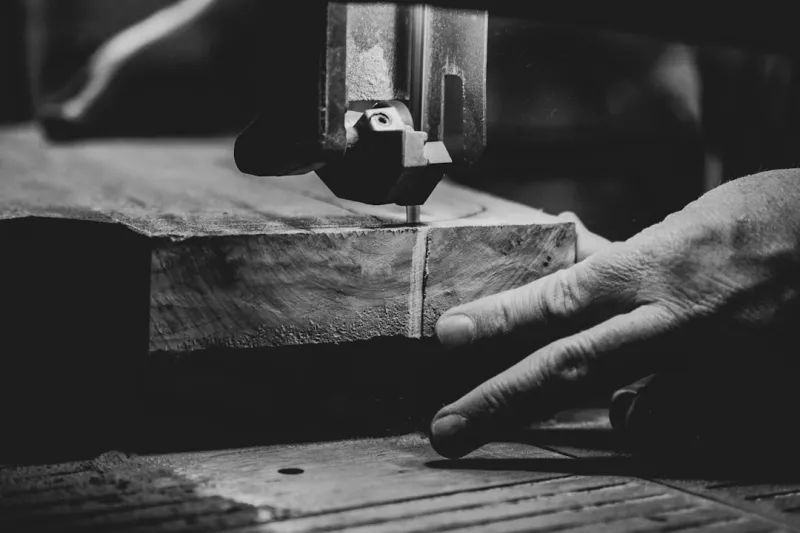
The Intersection of Woodworking and Sustainable Living
Woodworking and sustainable living are closely intertwined. By choosing sustainable materials, minim... Read More

The Art of Sensory Woodworking: Crafting Spaces That Feel as Good as They Look
Discover a fresh approach to woodworking that goes beyond visual appeal—learn to design pieces tha... Read More
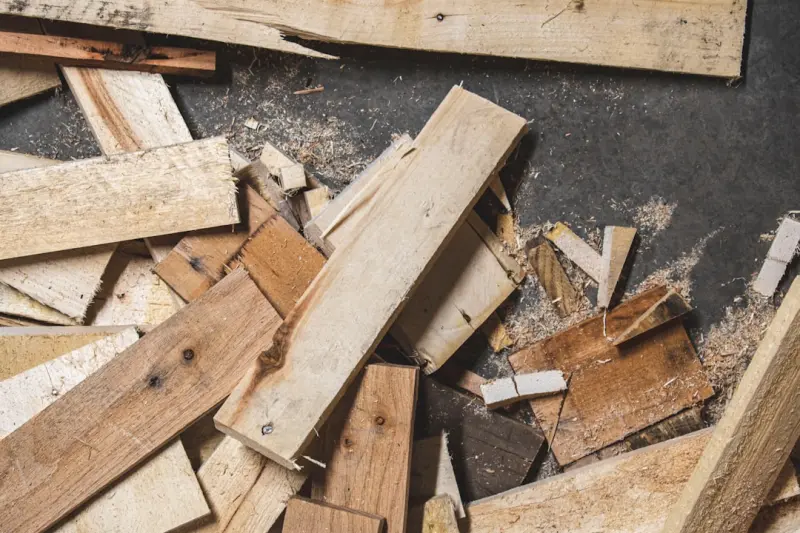
From Scrap to Statement: Building a Circular Woodworking Practice
Learn practical steps to transform wood shop waste into marketable, sustainable products, build a co... Read More
Top Posts
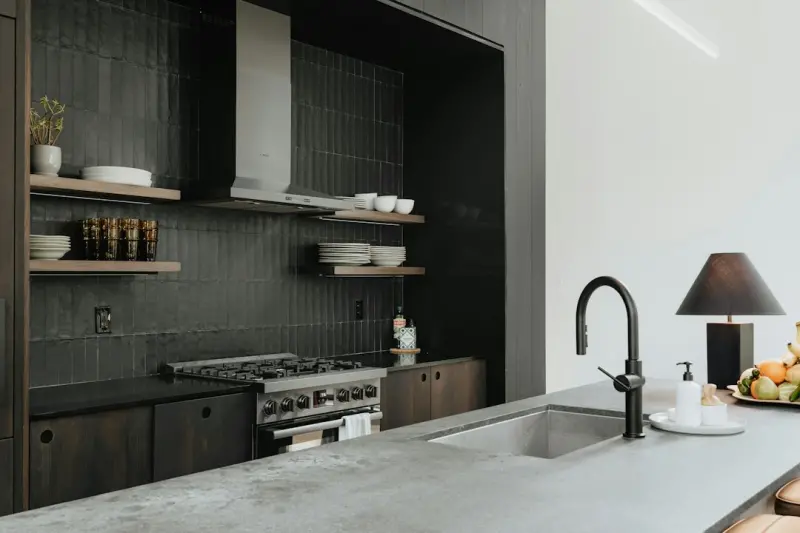
The Rise of Intelligent Countertops: Where Function Meets Future
Countertops are evolving beyond static surfaces into data‑rich, health‑centric, and eco‑friendly platforms. This post explores embedded sensors, antimicro...Read More

Smart Home Hacks: Everyday Tweaks That Transform Comfort and Efficiency
Learn how simple, low‑cost adjustments in lighting, storage, and ventilation can dramatically improve comfort, cut energy use, and streamline daily home routi...Read More

Nature‑Infused Workspaces: Transforming Commercial Renovations for Profit and Well‑Being
A deep dive into biophilic commercial renovations, showing how integrating living walls, daylight, and natural materials can boost employee productivity, reduce...Read More
Sustainable Plastering: A Veteran Contractor’s Green Guide
Learn how to prep, apply, and finish plaster sustainably with insider tips from a seasoned contractor. Boost energy efficiency and protect your home’s health....Read More
0 Comments
Post Comment
You will need to Login or Register to comment on this post!