
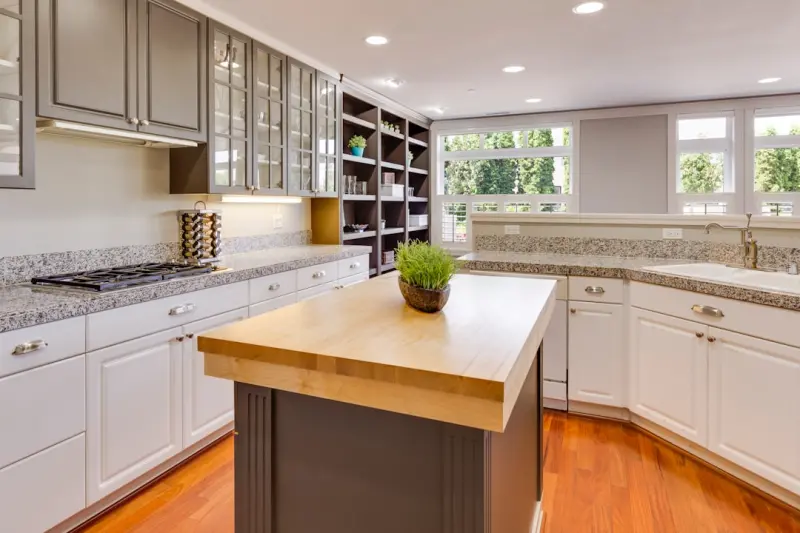
Setting the Stage: Countertops as the Kitchen’s Silent Storyteller
When I step into a kitchen, the first thing that greets my eye isn’t the appliances or the layout—it’s the countertop, the unsung hero that silently narrates the home’s style and the family’s rhythm. A well‑chosen surface can amplify a chef’s enthusiasm, a host’s hospitality, and even a child’s curiosity, while a mismatched one can feel like a visual misstep that drags the whole room down. Choosing the right countertop is therefore less about chasing trends and more about aligning material temperament with the everyday choreography that unfolds on its surface, from hurried breakfast prep to leisurely weekend brunches. In this piece, I’ll walk you through the decisions that turn a plain slab into a lasting centerpiece, sharing the nuances I’ve learned from countless remodels, client consultations, and my own kitchen experiments.
Material Matters: From Natural Stone to Engineered Elegance
The countertop market reads like a material encyclopedia, each entry promising durability, beauty, or a blend of both, yet the reality often hinges on how the material behaves under real‑world pressure. Natural stone options such as granite and marble deliver timeless appeal and heat resistance, but they demand periodic sealing to guard against stains, and their veining can vary wildly from slab to slab. Engineered quartz, on the other hand, offers a uniform look with embedded pigments, making it virtually non‑porous and low‑maintenance, though it can be vulnerable to heat shock if you place a hot pan directly on it. For those craving an industrial vibe, Concrete Reimagined: From Cold Slab to Creative Canvas showcases how concrete countertops can be customized with pigments, aggregates, and polish levels, delivering a robust surface that ages gracefully. Wood butcher blocks bring warmth and a tactile connection to food preparation, but they require oiling and vigilant moisture control to avoid warping. Finally, high‑pressure laminates have come a long way, offering affordable patterns that mimic stone or wood while remaining forgiving under daily wear.
Durability vs. Aesthetics: Balancing Traffic, Temperature, and Time
Every kitchen tells a story of traffic flow, and the countertop sits at the intersection of visual appeal and functional endurance. In a high‑traffic family kitchen, the surface must withstand frequent cutting, heavy pots, and occasional spills, making resistance to scratches and stains a priority; quartz and engineered stone typically excel here, while softer materials like marble can quickly show wear. Conversely, a minimalist chef’s kitchen that prioritizes a sleek, monochrome palette may favor the subtle elegance of a honed granite, accepting that it will need resealing every few years. Temperature resistance is another often‑overlooked metric: a slab that darkens or cracks under heat can turn a simple cooking habit into a costly repair. By mapping your cooking habits—whether you habitually use a wok, bake bread, or simmer sauces—you can select a material that harmonizes durability with the aesthetic language you wish to convey, ensuring the surface remains both beautiful and battle‑ready for years to come.
Edge Profiles: Subtle Shapes That Influence Feel and Function
The edge of a countertop is more than a finishing touch; it frames the work surface, impacts safety, and even influences how light dances across the slab. Simple straight edges provide a crisp, contemporary look and are easy to clean, but their sharp corners can pose a hazard in homes with small children. Rounded or bullnose edges soften the silhouette, offering a tactile comfort that invites hands to linger, while also reducing the chance of accidental cuts. For a touch of drama, an eased ogee profile adds a classic, sculptural dimension that can elevate a traditional kitchen into a statement space. When pairing edge style with overall design, consider how the profile interacts with cabinet fronts, appliance heights, and backsplash angles; a mismatched edge can disrupt visual flow just as much as a clashing color. If you’re integrating new flooring, a quick read of Flooring Strategies for Multi‑Generational Homes: Safety, Comfort, and Style can help you align edge safety with floor traction, creating a cohesive environment that feels both polished and practical.
Lighting the Surface: How Shine and Shadow Shape Perception
Lighting is the silent partner that can either amplify the natural beauty of your countertop or mute it into the background, and understanding this relationship is crucial for a well‑balanced kitchen. Under‑cabinet LEDs that emit a soft, warm glow can highlight the subtle veining in a granite slab, making each mineral pattern a focal point without overwhelming the space. Conversely, high‑intensity pendant lights placed directly above a polished quartz surface can create reflective glints that enhance the perception of depth, especially in darker kitchens where the countertop might otherwise recede. The surface’s finish—whether matte, honed, or high‑gloss—interacts uniquely with light; a matte stone absorbs illumination, offering a gentle, understated elegance, while a glossy polish mirrors light, adding a sense of spaciousness. By strategically positioning lighting layers, you can sculpt shadows that accentuate the countertop’s texture, turning a functional plane into an ever‑changing piece of art that responds to the day’s rhythm.
Backsplash Harmony: Extending the Countertop Narrative
The backsplash is the visual bridge that connects the countertop to the wall, and when designed thoughtfully, it can reinforce material choices while adding depth and protection. A seamless glass tile that mirrors the countertop’s hue can elongate the visual field, making a compact kitchen feel larger, while a patterned ceramic that picks up a secondary tone in the stone can introduce subtle contrast without clashing. For those leaning into a rustic vibe, reclaimed brick or stone mosaic backsplashes echo the natural imperfections of a butcher‑block surface, creating a cohesive story of organic textures. Metallic backsplashes, such as brushed stainless or copper, can add a contemporary edge, especially when paired with a matte concrete slab, establishing a dialogue between industrial coolness and warm metal tones. Remember to consider grout color and line thickness; a thin, matching grout can make tiles appear as a continuous canvas, whereas a bold grout line can become a decorative element in its own right, turning the backsplash into a design statement rather than a mere protective barrier.
Sustainability and Lifecycle: Choosing Eco‑Friendly Countertops
In an era where environmental impact is a central design concern, the countertop material you select can either contribute to a greener home or add unnecessary carbon baggage. Reclaimed wood butcher blocks, sourced from de‑constructed barns or old pallets, not only reduce waste but also bring a unique patina that tells a story of past lives, each knot and grain a testament to sustainability. Recycled quartz incorporates crushed glass and post‑consumer waste, offering a high‑performance surface with a markedly lower ecological footprint than virgin stone mining. Even concrete can be made more sustainable by incorporating fly ash, a by‑product of coal combustion, which reduces the amount of cement needed and thus lowers CO₂ emissions. When evaluating green options, look beyond the initial price tag and consider the material’s full lifecycle—from extraction or fabrication through installation, maintenance, and eventual disposal. A countertop that requires minimal sealing, resists staining, and can be repurposed or recycled at the end of its life cycle delivers long‑term environmental dividends that far outweigh a modest upfront cost difference.
Maintenance Myths Debunked: What Really Keeps Surfaces Pristine
Countertop upkeep is often shrouded in myth, leading homeowners to either over‑protect their surfaces or, conversely, neglect essential care steps that could shorten a slab’s lifespan. One common misconception is that all stone requires daily sealing; in reality, engineered quartz is non‑porous and doesn’t need sealing, while natural stone like granite may only need resealing every 12‑18 months depending on usage. Another myth is that harsh chemicals are necessary for deep cleaning; a simple solution of warm water and mild dish soap, followed by a quick dry, is sufficient for most spills, and using acidic cleaners on marble can etch the surface permanently. For wood countertops, the belief that oiling once a year is enough can leave the wood vulnerable to drying and cracking; a regular schedule of light oiling—once a month in high‑traffic kitchens—maintains moisture balance. Understanding these nuances helps you protect your investment without turning daily cleaning into a chore, ensuring the countertop remains a functional masterpiece rather than a burdensome upkeep task.
Budgeting and ROI: Translating Cost into Long‑Term Value
While the initial price tag of a countertop can be a decisive factor, the true value lies in its contribution to home resale appeal and long‑term durability, turning the expense into an investment rather than a cost. High‑end materials like marble or premium granite can command a premium on the market, especially in luxury neighborhoods where buyers associate these surfaces with prestige and craftsmanship; however, they also demand vigilant maintenance to retain their allure. Mid‑range options such as quartz offer a sweet spot—providing the look of natural stone with low upkeep, which many buyers appreciate for its hassle‑free nature, often leading to quicker sale cycles. On a tighter budget, laminate or solid surface countertops have made significant strides in design fidelity, delivering convincing stone aesthetics at a fraction of the cost, though they may lack the durability that discerning buyers seek. By aligning your budget with your long‑term goals—whether it’s a personal culinary haven or a resale‑oriented upgrade—you can choose a material that maximizes both satisfaction and financial return.
Final Thoughts: My Personal Countertop Compass
After years of navigating the labyrinth of countertop choices for myself and my clients, I’ve learned that the “perfect” surface is less about a single material and more about the intersection of lifestyle, aesthetic vision, and practical considerations. I start each project by asking three core questions: How will the surface be used daily? Which visual language does the homeowner want to speak? What level of maintenance are they comfortable with? The answers guide me toward a tailored recommendation—be it a low‑maintenance quartz for a bustling family kitchen, a reclaimed wood slab for a farmhouse vibe, or a polished concrete for an industrial loft. By treating the countertop as a living element that evolves with your home’s story, you can make a decision that feels both personal and purposeful. If you’re ready to explore options or need a second opinion on a material you’re eyeing, feel free to reach out; I’m always eager to help you craft a kitchen that works as hard as you do.

William Roy is a freelance writer originally from Montreal who moved to Ottawa with his wife of 50 years to be closer to their grandkids. Alongside his writing, William has a passion for fishing.
Related Posts
Countertop Trends that Blend Style, Smart Tech, and Sustainability
Explore how recycled quartz, concrete, and smart-integrated countertops are reshaping kitchens with ... Read More
The Hidden Economics of Countertop Choices: Value, Durability, and the Bottom Line
A deep dive into the true cost of countertops, covering material selection, maintenance, health impl... Read More
The Countertop Conundrum: How to Choose, Care for, and Future‑Proof Your Kitchen Surface
A personal guide to picking the right countertop, balancing durability, sustainability, and resale v... Read More
Top Posts
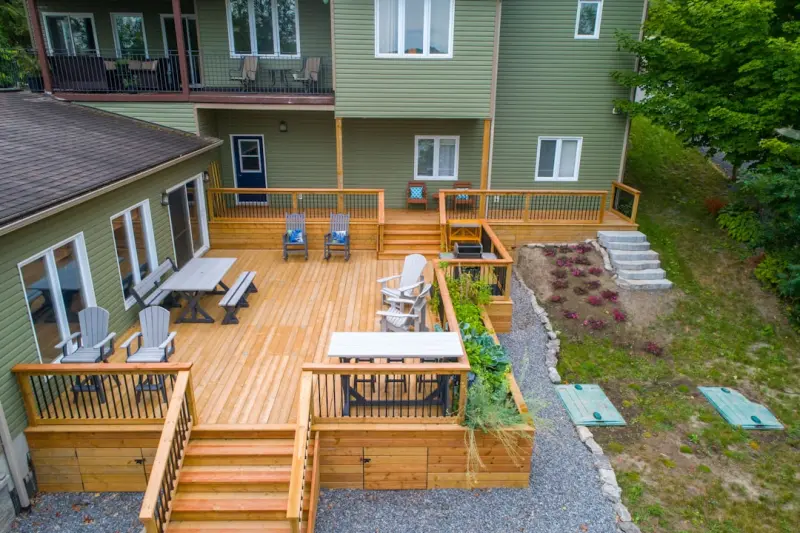
Smart Deck Design: Harnessing Technology, Sustainability, and Flexibility for Modern Outdoor Living
Explore a fresh approach to deck building that blends smart lighting, weather‑responsive features, reclaimed materials, and modular design for a future‑proo...Read More
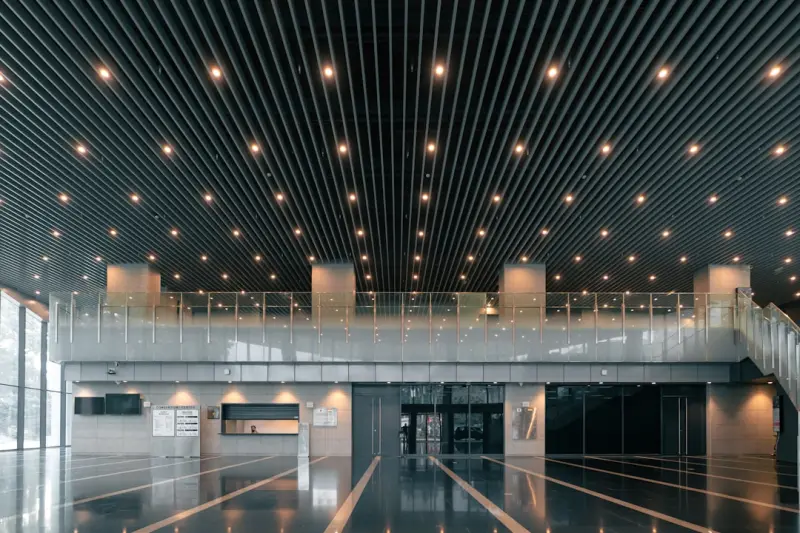
Elevating Commercial Spaces with Wallpaper
Wallpaper is no longer just a decorative finish; it offers acoustic dampening, thermal regulation, brand storytelling, and embedded technology, making it a stra...Read More

Foundation Futures: Embedded Sensors and Sustainable Design
A deep dive into how modern foundations are becoming data‑rich, energy‑active systems through sensors, low‑carbon concrete, and renewable integration, off...Read More
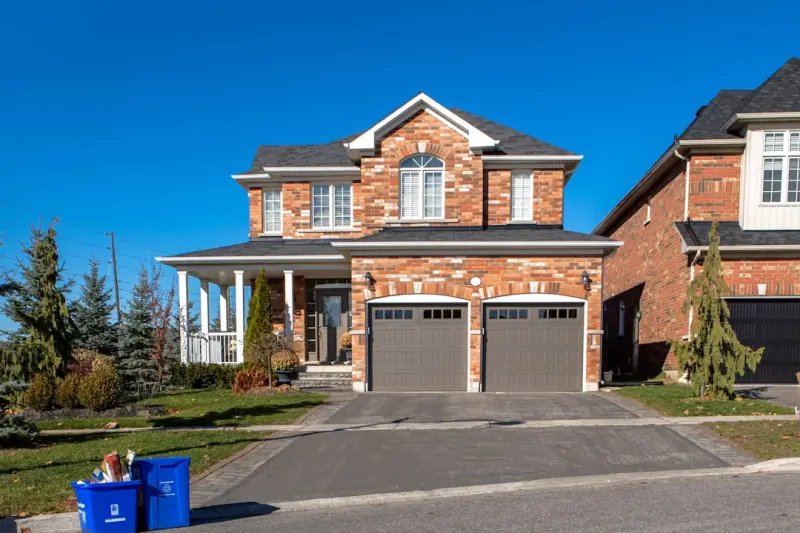
Why Your Garage Door Deserves More Than Just a Pull‑Chain
A garage door is more than a utility; it impacts energy bills, security, and curb appeal. Learn the key upgrades that boost performance, aesthetics, and value....Read More
0 Comments
Post Comment
You will need to Login or Register to comment on this post!