
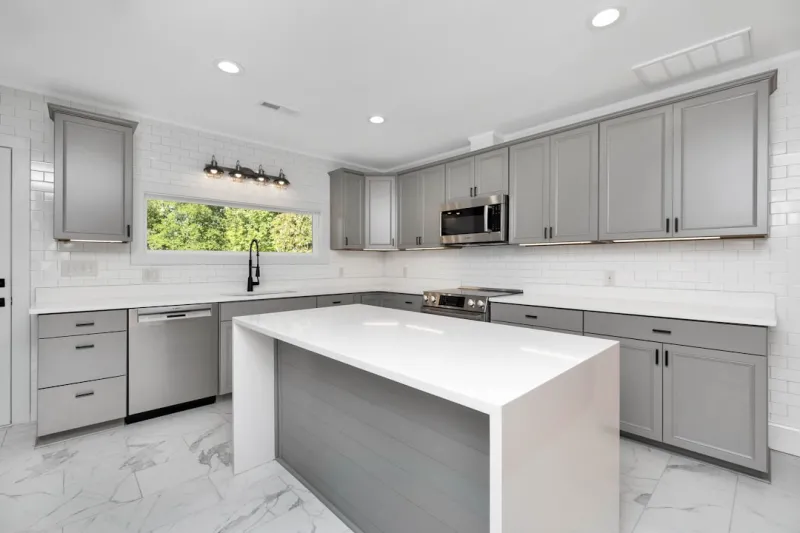
The Sustainable Revolution in Countertop Design: A Comprehensive Guide
As a passionate advocate for sustainable living, I'm excited to share with you the latest trends and innovations in countertop design. The world of countertops has undergone a significant transformation in recent years, with a growing emphasis on eco-friendly materials, sustainable manufacturing processes, and environmentally responsible installation methods. In this article, we'll explore the intersection of sustainability and countertop design, highlighting the benefits, challenges, and opportunities in this rapidly evolving field.
The importance of sustainable practices in home design cannot be overstated. As we continue to grapple with the challenges of climate change, environmental degradation, and resource depletion, it's essential that we prioritize eco-friendly solutions in every aspect of our lives. Countertops, in particular, play a critical role in sustainable home design, as they can significantly impact the aesthetic, functionality, and environmental footprint of a space. By choosing sustainable countertop materials and design approaches, homeowners can contribute to a more environmentally responsible future.
The Rise of Sustainable Countertop Materials
One of the most significant developments in sustainable countertop design is the emergence of eco-friendly materials. Recycled glass, reclaimed wood, and sustainably sourced stone are just a few examples of the innovative materials that are redefining the industry. These materials not only reduce waste and minimize environmental impact but also offer unique aesthetic and functional benefits. For instance, sustainable architectural design often incorporates recycled materials to minimize waste and promote eco-friendliness.
In addition to these materials, low-VOC (volatile organic compound) sealants and eco-friendly adhesives are becoming increasingly popular. These products minimize the release of toxic chemicals into the environment, creating healthier indoor spaces and reducing the environmental footprint of countertop installation. As consumers become more aware of the importance of sustainability, manufacturers are responding with a wider range of eco-friendly products and materials.
The Benefits of Sustainable Countertop Design
So, what are the benefits of sustainable countertop design? For starters, eco-friendly countertops can significantly reduce waste and minimize environmental impact. By choosing materials that are sustainably sourced, recycled, or reclaimed, homeowners can help to conserve natural resources and reduce their carbon footprint. Sustainable countertops can also improve indoor air quality, as they often emit fewer VOCs and toxins than traditional materials.
Furthermore, sustainable countertops can add value to a property, as eco-conscious buyers increasingly prioritize environmentally responsible features when searching for a home. In fact, sustainable home inspections often highlight eco-friendly features, including sustainable countertops, as key selling points. Whether you're building a new home or renovating an existing one, sustainable countertop design is an investment worth considering.
The Challenges and Opportunities of Sustainable Countertop Design
While sustainable countertop design offers many benefits, it's not without its challenges. One of the primary concerns is cost, as eco-friendly materials and products can be more expensive than traditional options. However, it's essential to consider the long-term benefits and savings associated with sustainable countertops, including reduced waste, improved indoor air quality, and increased property value.
Another challenge is the limited availability of sustainable countertop materials and products. As demand grows, manufacturers are responding with a wider range of eco-friendly options. Homeowners can also explore sustainable home additions to incorporate eco-friendly features, including sustainable countertops.
The Future of Sustainable Countertop Design
As we look to the future, it's clear that sustainable countertop design will play an increasingly important role in eco-friendly home design. With growing demand for environmentally responsible products and materials, manufacturers are innovating and adapting to meet the needs of eco-conscious consumers.
From sustainable quartz to recycled metal, the next generation of countertop materials and products will offer even more eco-friendly options for homeowners. As the industry continues to evolve, we can expect to see new technologies, materials, and design approaches emerge, further reducing the environmental footprint of countertop design and installation.
Conclusion
In conclusion, sustainable countertop design is a rapidly evolving field that offers many benefits, challenges, and opportunities. By choosing eco-friendly materials, products, and design approaches, homeowners can contribute to a more environmentally responsible future, while also improving the aesthetic and functionality of their space. Whether you're a seasoned homeowner or just starting to explore the world of sustainable design, I hope this article has provided valuable insights and inspiration for your next project.
As we move forward, it's essential that we prioritize sustainability in every aspect of our lives, including countertop design. By working together, we can create a more eco-friendly future, one countertop at a time.
Additional Resources
For those interested in learning more about sustainable countertop design, I recommend exploring the following resources:
- The Future of Architectural Design: How Sustainable Practices Are Revolutionizing the Industry
- The Critical Role of Sustainable Practices in Home Inspections
- Embracing Sustainable Home Additions: A Comprehensive Guide
These resources offer a wealth of information on sustainable design, materials, and products, providing a solid foundation for exploring the world of eco-friendly countertops.

Paul Gray is a dynamic blogger based in Brampton, where he shares his life with his amazing wife, Sarah. Known for his engaging writing style and relatable insights, Paul has carved out a niche in the blogging world that resonates with readers from all walks of life. When he's not crafting captivating posts, you can find him savoring a cold beer or indulging in the latest blockbuster movie. With a friendly demeanor and a passion for storytelling, Paul brings a unique perspective to his work, making him not just a blogger, but a voice for those who appreciate the simple joys of life.
Related Posts
The Countertop Revolution: Hybrid Surfaces, Smart Tech, and Sustainable Style
Explore the rise of hybrid countertops, their performance benefits, eco‑friendly credentials, and ... Read More
When Countertops Become Smart: Designing the Interactive Work Surface of Tomorrow
Countertops are evolving from passive slabs to interactive platforms that integrate sensors, wireles... Read More

Countertop Revolution: Health, Tech, and Longevity
Countertops are evolving from static slabs into health‑centers, smart platforms, and sustainable a... Read More
Top Posts

Why Subscription Plumbing Is the Smartest Move for Modern Buildings
Subscription plumbing turns traditional reactive repairs into a proactive service model, using sensors and analytics to prevent leaks, cut water waste, and stab...Read More
Solar Energy as a Strategic Business Asset: From Grid Dependency to Autonomous Innovation
Solar is no longer just an ESG checkbox; it’s a powerful business engine. This post explores how companies can leverage solar generation, storage, and AI fore...Read More
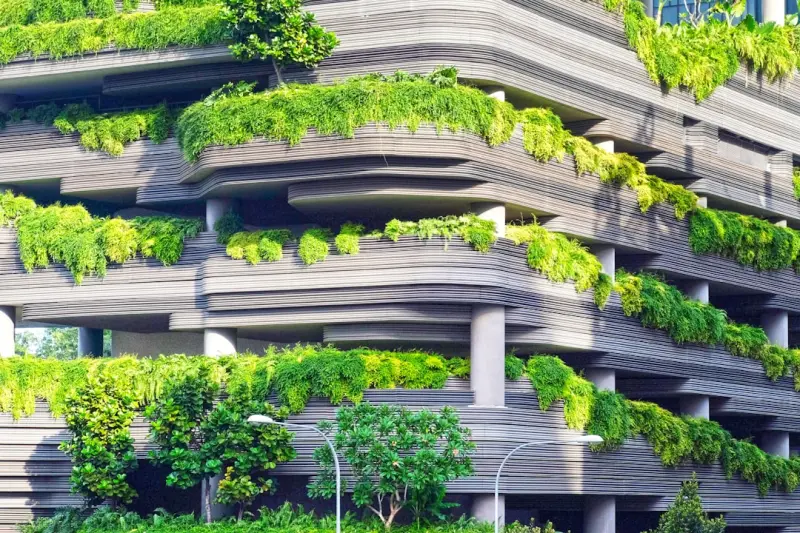
When Buildings Breathe: Integrating Biophilic Design with Modern HVAC
A deep dive into biophilic HVAC shows how merging natural airflow, green walls, solar power, and AI-driven controls creates healthier, more energy‑efficient i...Read More
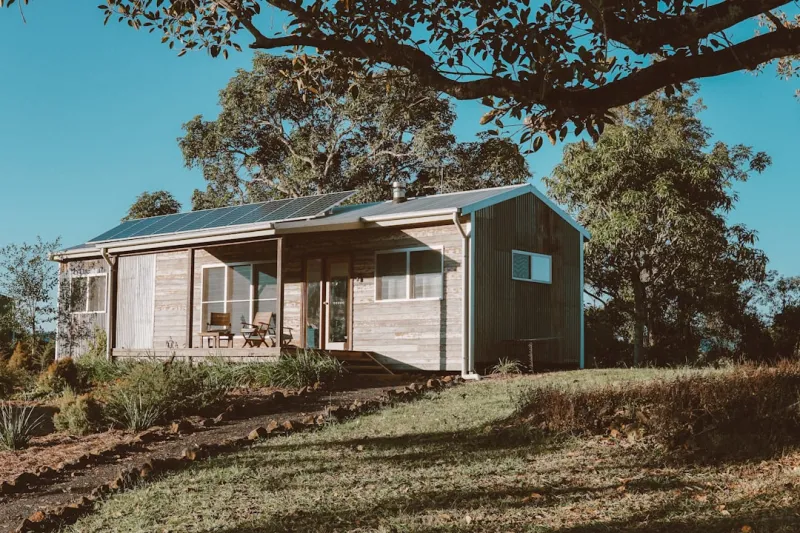
Sustainable Home Restoration: A Greener Future for Your Home
Sustainable home restoration is a critical step towards creating a greener future for our homes and our planet. Learn about eco-friendly materials, energy-effic...Read More
0 Comments
Post Comment
You will need to Login or Register to comment on this post!