

Why Native Plants Are the Secret Weapon for Urban Landscapes
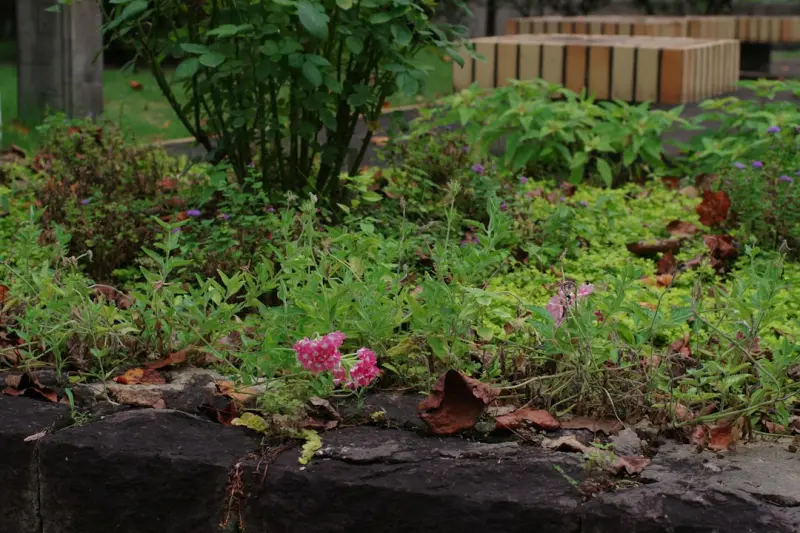
When city dwellers finally claim a patch of earth, the impulse is often to fill it with flashy, exotic flora that promise instant drama, yet these choices frequently demand gallons of water, endless fertilization, and relentless pruning. Native plants, by contrast, have evolved alongside the local climate, soil, and wildlife, allowing them to flourish with minimal intervention while providing essential habitat for pollinators, birds, and beneficial insects that keep the ecosystem balanced. By embracing a native plant palette, homeowners not only cut maintenance costs but also contribute to a resilient urban environment that can weather heat waves, droughts, and unpredictable weather patterns.
Start with a Site Assessment: Soil, Sun, and Micro‑climate
The first step to a successful native garden is a thorough site audit, which involves mapping sun exposure from sunrise to sunset, testing soil pH and texture, and noting wind patterns that might desiccate tender seedlings. Simple tools like a soil test kit and a sunlight tracker app can reveal whether the area is a full‑sun haven for prairie grasses, a shaded nook perfect for woodland wildflowers, or a breezy slope that calls for wind‑break shrubs. Armed with this data, you can match plant species to the exact conditions, ensuring that each selection thrives without the need for supplemental watering or chemical amendments.
Layering the Landscape: From Groundcovers to Canopy Trees
Nature’s most robust gardens are built on vertical layers—groundcovers, herbaceous perennials, shrubs, and eventually canopy trees—all working together to create depth, texture, and ecological niches. Begin with low‑lying natives such as Achillea millefolium or creeping phlox to suppress weeds and retain soil moisture, then intersperse mid‑height favorites like black-eyed Susan and coneflower for seasonal color and pollinator draw. Finally, anchor the composition with drought‑tolerant trees such as the eastern redbud or honeylocust, which provide shade, leaf litter, and a structural backbone that reduces erosion on sloped sites. This tiered approach mirrors natural ecosystems, fostering biodiversity while simplifying upkeep.
Water‑Wise Design: Rain Gardens, Mulch, and Smart Irrigation
Effective water management transforms a thirsty yard into a self‑sustaining oasis; integrating rain gardens at low points captures runoff, allowing it to percolate slowly into the root zone where native species readily absorb it. Applying a generous layer of organic mulch—shredded bark, leaf mold, or compost—around plant bases not only curtails evaporation but also feeds soil microbes that enhance nutrient cycling. For those who still desire occasional supplemental watering, a drip‑line system equipped with moisture sensors can deliver precise amounts only when the soil dips below optimal levels, eliminating waste and keeping the garden healthy during dry spells.
Supporting Pollinators and Beneficial Wildlife
One of the most rewarding outcomes of planting natives is the surge of pollinators and wildlife that flock to the garden, turning a simple lawn into a vibrant sanctuary. Species such as milkweed, bee balm, and native asters provide nectar and pollen that sustain bees, butterflies, and hummingbirds throughout their life cycles, while dense shrub thickets offer nesting sites for songbirds and refuge for beneficial insects that prey on garden pests. To deepen this ecological partnership, consider adding a handful of seasonal tree care practices like pruning dead limbs in late winter, which opens the canopy for light and air, encouraging a richer understory of wildflowers.
Low‑Maintenance Strategies: Grouping, Pruning, and Seasonal Refresh
Designing for ease of care means grouping plants with similar water, soil, and sunlight needs together, creating “plant neighborhoods” that can be tended to with a single watering schedule and a unified fertilization plan. Strategic pruning—removing spent blooms after the first flush and cutting back woody growth in early spring—promotes vigorous rebudding and reduces the chance of disease buildup, while allowing the garden to self‑clean without constant weeding. Additionally, planning a modest “seasonal refresh” each autumn, where you replace a few dead stems with new seedlings, keeps the landscape dynamic without demanding a full overhaul.
Integrating Sustainable Hardscape Elements
Hardscape features such as pathways, patios, and retaining walls should complement the plant community, using permeable materials like reclaimed pavers, crushed stone, or permeable concrete that allow water to infiltrate rather than runoff. Selecting locally sourced, recycled, or low‑impact products reduces the carbon footprint of construction while harmonizing with the native aesthetic. For boundary definition, consider the innovative ideas found in Redefining Fencing, where fiber‑capped bamboo or reclaimed timber create visual interest and durability without the environmental toll of traditional pressure‑treated wood.
Budget‑Friendly Phasing: From Dream to Reality
Transforming a yard into a native haven doesn’t have to break the bank; a phased approach lets you spread costs while watching the landscape evolve organically. Begin with high‑impact, low‑cost elements like mulching beds and installing a rain barrel, then gradually introduce shrubs and trees as budgets allow, sourcing plants from local nurseries or community plant swaps that often offer discounts for native species. By documenting progress with photos and notes, you can celebrate each milestone and adjust plans based on how plants respond, ensuring that every dollar invested yields lasting value.
Long‑Term Rewards: Health, Savings, and Community Impact
Beyond the immediate visual appeal, a thoughtfully designed native landscape delivers measurable benefits: reduced water bills, lower pesticide usage, and enhanced property value thanks to its eco‑friendly reputation. Homeowners also experience improved mental well‑being, as the presence of birdsong, butterfly flight, and the scent of native herbs creates a therapeutic backdrop to daily life. For those seeking inspiration on holistic outdoor design, the concepts explored in Cultivating a Four‑Season Backyard Oasis offer complementary ideas for extending the garden’s charm throughout the year. Embrace the journey, and watch your urban plot transform into a thriving, low‑maintenance haven that supports both your lifestyle and the planet.

Paul Gray is a dynamic blogger based in Brampton, where he shares his life with his amazing wife, Sarah. Known for his engaging writing style and relatable insights, Paul has carved out a niche in the blogging world that resonates with readers from all walks of life. When he's not crafting captivating posts, you can find him savoring a cold beer or indulging in the latest blockbuster movie. With a friendly demeanor and a passion for storytelling, Paul brings a unique perspective to his work, making him not just a blogger, but a voice for those who appreciate the simple joys of life.
Related Posts
How to Build a Climate‑Resilient Landscape That Thrives in Any Weather
Learn how to create a climate‑resilient garden using native plants, smart irrigation, and sustaina... Read More

Seasonal Storytelling in Landscape Design: Crafting Gardens That Change With You
Discover a fresh approach to landscaping that treats gardens as living stories, using seasonal plant... Read More

Cultivating Intelligent Landscapes: How Data and Soil Science Redefine Outdoor Spaces
A deep dive into the emerging world of intelligent landscaping, where soil sensors, AI plant selecti... Read More
Top Posts

Beyond the Leak: A Practical Guide to Sustainable Home Waterproofing
Learn why waterproofing is essential for healthy homes, explore green materials, DIY tips, and future tech that keep water out and comfort in....Read More

Reviving Soil for Lush, Resilient Lawns
A comprehensive, data‑informed approach to lawn care that starts with soil health, uses precise watering, native grasses, and organic practices for a greener,...Read More

Design‑Forward Paving: Aesthetic, Performance, Brand Impact
Modern paving can do more than carry foot traffic; it can enhance aesthetics, regulate temperature, embed subtle lighting, and become a brand statement—all wh...Read More

Painting with Purpose: How to Choose, Prep, and Apply Color for Healthier, More Inspiring Spaces
Learn the art and science of painting with purpose—choose health‑friendly paints, prep surfaces perfectly, and use accent walls to transform your home’s v...Read More
0 Comments
Post Comment
You will need to Login or Register to comment on this post!