
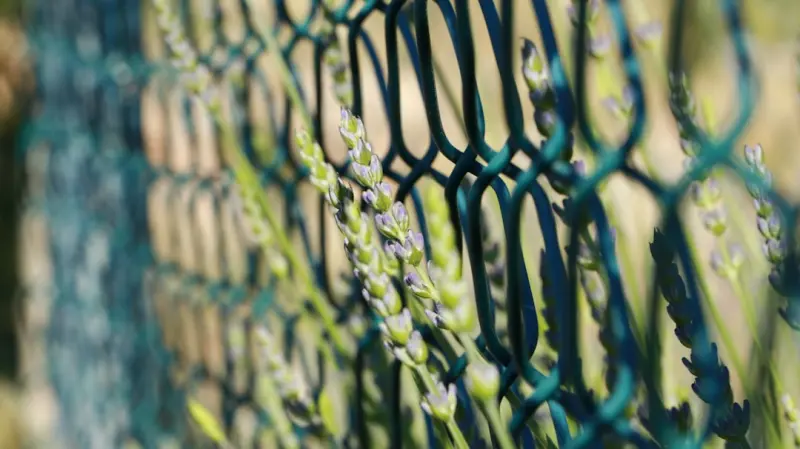
Reimagining the Fence as a Living Boundary
When I first stood on a sun‑kissed patio and surveyed the open yard, the empty stretch of land felt like a silent invitation to define space, privacy, and aesthetic without resorting to the usual boxy panels; I began to view a fence not merely as a barrier but as a living extension of the home’s personality, a canvas that could breathe, filter light, and even tell a story about the people behind it. This perspective shifted my design process from “what will keep the neighbor out?” to “how can I frame the landscape, protect the garden, and add visual intrigue while honoring sustainable practices?”
Choosing Materials That Balance Strength and Story
The material palette for a modern fence has exploded beyond traditional pine and chain‑link, inviting homeowners to consider reclaimed timber, powder‑coated steel, or even engineered bamboo that offers both durability and narrative depth; each option carries a distinct tactile and visual language that can echo the surrounding architecture or boldly contrast it. Selecting the right material therefore becomes a dialogue between structural integrity, climate resilience, and the emotional resonance you wish to convey to anyone who walks by.
Reclaimed Wood: A Sustainable Narrative
In my recent projects I’ve salvaged weathered barn beams, old pallet planks, and discarded decking, treating each piece like a vintage novel whose knots, grain patterns, and subtle discolorations speak of previous lives; after carefully stripping, treating, and sealing, these timbers transform into robust fence panels that not only reduce landfill waste but also imbue the yard with a sense of history and authenticity. The process of sourcing, restoring, and installing reclaimed wood forces a deeper connection to the material, reminding us that sustainability can be both functional and poetic.
Metal Mesh: Modern Security with Transparency
For homeowners craving a sleek, low‑maintenance solution, perforated metal mesh offers an elegant compromise between privacy and openness, allowing air and filtered light to dance through while presenting a formidable deterrent to intruders; the material’s inherent strength means thinner gauges can span larger distances, reducing the need for frequent post reinforcement. By selecting finishes ranging from matte black to brushed bronze, the fence can seamlessly integrate with contemporary façades or serve as a bold statement piece against more rustic settings.
Hybrid Systems: When Wood Meets Metal
One of my favorite breakthroughs has been the marriage of reclaimed wood slats with vertical steel rods, creating a hybrid fence that captures the warmth of timber while leveraging the rigidity of metal to resist wind uplift; this synergy allows for creative spacing patterns that can be adjusted seasonally to modulate privacy or visual flow. The hybrid approach also simplifies future upgrades—swap out wooden inserts for metal or vice versa without overhauling the entire framework, ensuring the fence evolves alongside changing tastes and functional demands.
Anchoring Your Fence: Lessons From Foundation Repair
Properly anchoring fence posts is often overlooked, yet the same principles that protect a home’s foundation apply here, especially when dealing with expansive soils or high wind zones; I frequently reference innovative foundation repair strategies to guide post‑setting techniques, such as using helical piers or concrete footings with reinforced rebar to distribute loads evenly and prevent heave. By treating each post as a miniature foundation, you gain a fence that stands firm for decades, reducing the need for costly realignments or replacements.
Design‑Build Collaboration: From Sketch to Stake
Successful fencing projects thrive on close collaboration between designer and builder, mirroring the synergy highlighted in design‑build mastery where ideas flow freely from concept to concrete; early joint planning sessions allow for rapid prototyping of panel dimensions, post spacing, and material junctions, while on‑site adjustments can be made without the lag of traditional bidding cycles. This integrated approach not only accelerates timelines but also fosters a sense of ownership among all parties, resulting in a fence that truly reflects the client’s vision and the site’s realities.
Maintenance Rituals That Extend Life
Even the most resilient fence benefits from a consistent care regimen, and I recommend a seasonal checklist that includes inspecting post stability, cleaning debris from metal meshes, and re‑applying protective finishes to reclaimed wood before the harshest weather sets in; simple actions like tightening loose bolts, treating minor rust spots with a conversion primer, or applying a breathable oil coat to timber can stave off premature decay and keep the fence looking purposeful. By treating maintenance as a ritual rather than a chore, homeowners nurture a lasting partnership with their outdoor boundary.
Future‑Ready Fencing: Smart Integration and Community Impact
Looking ahead, fences are evolving into platforms for technology, with embedded sensors that monitor structural health, solar‑powered lighting that adapts to dusk, and even low‑voltage speakers that blend soundscapes into the garden experience; these innovations not only enhance safety and ambiance but also contribute to neighborhood cohesion by encouraging shared sustainability goals. Embracing smart features transforms a simple enclosure into an interactive, eco‑friendly asset that adds measurable value to both property and community.

Craig Brett is a freelancer with a passion for the outdoors. His love for nature inspires his work, bringing authentic and engaging perspectives to projects related to outdoor activities, adventure, and environmental topics.
Related Posts
The Sustainable Fencing Revolution: Eco-Friendly Options for Your Home
Explore sustainable fencing options for your home, including bamboo, recycled plastic, and composite... Read More
Fencing 2.0: Sustainable, Smart, and Stylish Boundaries
A deep dive into how fencing is evolving from a simple barrier into a sustainable, data‑driven des... Read More
Eco-Friendly Fencing: A Sustainable Approach to Home Security and Aesthetics
Eco-friendly fencing is a great way to enhance your home's security, aesthetics, and sustainability.... Read More
Top Posts

Reimagining Woodworking: Harnessing Digital Fabrication for Timeless Craft
A deep dive into blending CNC precision with classic joinery, offering practical tips, sustainability insights, and future trends for woodworkers ready to moder...Read More
Adaptive Climate‑Ready Home Upgrades: Strategies for a Resilient Future
A deep dive into dynamic, performance‑driven home upgrades that let your house adapt to shifting climate conditions, blending smart materials, IoT monitoring,...Read More

Concrete Gets Smart: Turning Slabs into Business Sensors
Smart concrete turns ordinary slabs into intelligent platforms, providing real‑time data for predictive maintenance, energy optimization, and enhanced safety,...Read More

Why Subscription Plumbing Is the Smartest Move for Modern Buildings
Subscription plumbing turns traditional reactive repairs into a proactive service model, using sensors and analytics to prevent leaks, cut water waste, and stab...Read More
0 Comments
Post Comment
You will need to Login or Register to comment on this post!