

Why Regenerative Landscaping Matters
When I first stepped onto my own backyard after a long winter, the soil felt like a compacted brick wall rather than the soft, life‑supporting matrix it should be, and that moment sparked a personal quest to turn every square foot into a thriving ecosystem. Traditional lawn‑centric designs often prioritize aesthetics over function, leaving precious resources such as water and nutrients wasted; I decided to flip that script by letting the land dictate the design, not the other way around. By embracing regenerative principles—soil health, biodiversity, and water stewardship—I’ve discovered that a yard can simultaneously feed families, sequester carbon, and become a resilient refuge from climate stress.
Mapping Your Microclimate
Before I planted a single seed, I spent a weekend with a notebook, a compass, and a simple temperature probe, charting sun angles, wind corridors, and shade patterns across the property; this microclimate map became the blueprint for every planting decision. I learned that the south‑facing slope retained heat well into the evening, making it ideal for heat‑loving vegetables, while the north‑facing corner stayed cool and moist, perfect for shade‑tolerant ferns and mushroom beds. Understanding these subtle variations lets you place each plant where it will thrive with minimal intervention, turning the landscape into a self‑balancing system rather than a series of forced compromises.
Soil Health Foundations: Compost, Biochar, and Microbes
The cornerstone of any regenerative garden is a living soil, and I tackled this by layering high‑quality compost, finely crushed biochar, and a starter inoculant of mycorrhizal fungi into every planting hole; the result was a dramatic increase in earthworm activity within weeks, a clear sign that the soil food web was reawakening. Compost supplies organic matter and nutrients, biochar acts like a sponge that holds moisture and nutrients while also sequestering carbon, and the mycorrhizae extend root networks, improving water and nutrient uptake. By regularly top‑dressing beds with a thin layer of composted leaf mold, I maintain a steady supply of food for microbes, which in turn keeps the soil structure porous and aerated, reducing the need for synthetic fertilizers.
Choosing Native Plants for Climate Resilience
One of the most rewarding steps was replacing invasive ornamental grasses with native species that have evolved to survive local droughts, floods, and pest pressures; plants like little bluestem, prairie coneflower, and native goldenrod now dominate the meadow strip along the fence line. These natives provide year‑round habitat for pollinators, birds, and beneficial insects, creating a living pest‑control system that reduces reliance on chemicals. Because they are adapted to the regional climate, they require far less watering and maintenance than exotic ornamentals, freeing up time and resources for other creative aspects of the garden.
Water Management: Rain Gardens, Swales, and Permeable Paths
Instead of channeling runoff into the storm drain, I reshaped low‑lying areas into a rain garden filled with moisture‑loving plants such as cardinal flower, swamp milkweed, and ornamental ferns, allowing rainwater to infiltrate and recharge the groundwater table. Along the property’s gentle slope I dug shallow swales that capture and slow down water flow, directing it toward the garden beds where it is needed most. I also replaced traditional concrete walkways with permeable pavers set over a compacted gravel base, ensuring that even foot traffic contributes to the overall infiltration strategy, reducing erosion and keeping the yard greener during dry spells.
Integrating Edible Layers: From Fruit Trees to Herb Spirals
One of the most exciting transformations was adding a multi‑tiered edible layer that blends aesthetics with productivity; I planted dwarf apple and plum trees along the perimeter, interspersed with berry bushes, while a spiraled herb garden occupies the sunny corner near the patio. The fruit trees provide canopy shade in summer, reducing heat gain on the patio, and their blossoms attract pollinators that also benefit the surrounding vegetable patches. Herbs such as rosemary, thyme, and sage are placed on the sunny, well‑drained side of the spiral, creating a fragrant, low‑maintenance border that can be harvested throughout the growing season.
Seasonal Design: Dynamic Planting, Mulching, and Winter Interest
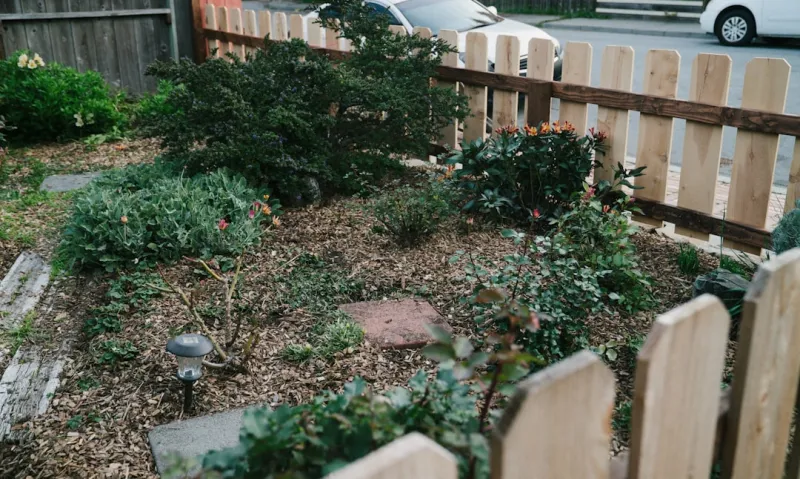
To keep the garden vibrant year after year, I rotate annual vegetables and companion flowers in a four‑year cycle, planting cool‑season crops like kale and peas in early spring, and swapping them for heat‑loving tomatoes and peppers in midsummer; this rotation not only maximizes harvests but also breaks disease cycles. I blanket each bed with a thick layer of organic mulch made from shredded bark and leaf litter, which insulates the soil, conserves moisture, and gradually adds nutrients as it decomposes. For winter interest, I selected ever‑green shrubs such as dwarf juniper and ornamental grasses that retain structure and color when most other plants go dormant, ensuring the landscape never feels barren.
Low‑Tech Maintenance Philosophy: Observation and Adaptation
Rather than relying on expensive smart sensors, I adopt a hands‑on observation routine, checking soil moisture with a simple feel test, noting pest activity, and recording bloom times in a garden journal; this data informs adjustments like supplemental watering during an unexpected dry spell or adding a row cover for frost‑sensitive seedlings. By staying attuned to the garden’s feedback loops, I can intervene only when necessary, allowing natural processes to do most of the work. This low‑tech, adaptive approach not only reduces costs but also deepens my connection to the land, turning routine chores into moments of mindful stewardship.
Next Steps and Inspiration
If you’re ready to transform your own yard into a resilient, food‑rich haven, start with a soil test and a simple microclimate sketch, then let the principles outlined above guide your design choices. For additional ideas on how to weave ambience into your regenerative garden, check out nighttime garden inspiration that pairs beautifully with the edible layers, and explore sustainable shade solutions that complement rain‑garden water management while providing comfort during hot afternoons.

Paul Gray is a dynamic blogger based in Brampton, where he shares his life with his amazing wife, Sarah. Known for his engaging writing style and relatable insights, Paul has carved out a niche in the blogging world that resonates with readers from all walks of life. When he's not crafting captivating posts, you can find him savoring a cold beer or indulging in the latest blockbuster movie. With a friendly demeanor and a passion for storytelling, Paul brings a unique perspective to his work, making him not just a blogger, but a voice for those who appreciate the simple joys of life.
Related Posts

Designing the Living Edge: Turning Your Yard into a Year‑Round Habitat
A step‑by‑step guide to building a habitat‑first yard, from mapping microclimates and choosing... Read More

Cultivating Business Growth with Purpose‑Driven Landscape Design
Discover why thoughtful landscape design is a powerful business asset—enhancing employee wellness,... Read More
Transforming My Backyard: A Sustainable Landscaping Journey
A personal guide to turning your yard into a sustainable oasis, featuring native planting, permeable... Read More
Top Posts

Protect Your Home: The Ultimate Guide to Whole‑Home Surge Protection
Learn how a whole‑home surge protector shields every device, saves money, and fits into smart‑home and renewable energy systems—plus tips on selection, in...Read More

Concrete’s Quiet Revolution: Sustainable, Intelligent, and Beautiful
Concrete is shedding its gray, static image to become a sustainable, data‑rich, and design‑forward platform that boosts efficiency, brand identity, and envi...Read More

Embracing Sustainable Home Security: The Future of Alarm Systems
Sustainable home alarm systems are revolutionizing home security, providing eco-friendly and energy-efficient solutions for homeowners. Learn how to create a se...Read More

The Future of Plastering: Embracing Sustainable Practices
The plastering industry is evolving, and sustainable practices are leading the way. Learn about the benefits of eco-friendly materials, innovative techniques, a...Read More
0 Comments
Post Comment
You will need to Login or Register to comment on this post!