
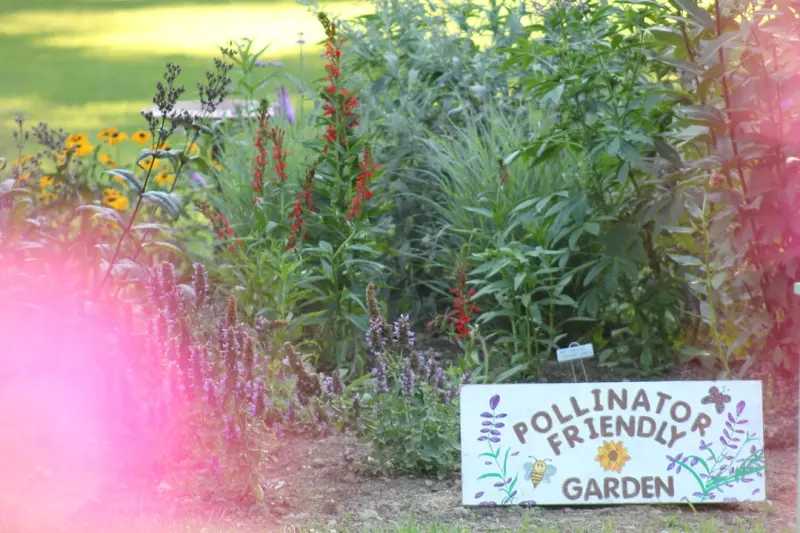
Designing a Pollinator‑Friendly Landscape That Thrives Year‑Round
When I first walked onto a vacant lot with a vision of hummingbirds darting between blossoms, I realized the power of intentional planting extends far beyond aesthetics; it creates a living ecosystem that supports biodiversity and reduces maintenance. By selecting a palette of native wildflowers, grasses, and shrubs that bloom in succession, you ensure that nectar and pollen are available from early spring to late fall, turning a simple yard into a dynamic refuge. Strategic plant layering not only maximizes visual interest but also mimics natural habitats, encouraging bees, butterflies, and beneficial insects to call your property home.
Choosing Native Species for Climate Resilience
Native plants are adapted to local soil, temperature swings, and precipitation patterns, meaning they require less irrigation, fertilization, and pest control than exotic varieties. I often start my design process with a site‑specific climate map, pinpointing drought‑tolerant perennials like coneflower, black-eyed Susan, and prairie sage that thrive with minimal supplemental watering. This approach not only conserves water but also reduces the carbon footprint associated with transporting and maintaining non‑native species.
Integrating Edible Elements Without Sacrificing Beauty
Landscapes can be both ornamental and productive; the key is to blend edible plants seamlessly into the design language. Imagine a border of rosemary and lavender that doubles as a fragrant herb garden, or fruiting shrubs such as serviceberry tucked behind ornamental grasses for seasonal color and harvest. By treating edibles as design assets, you create a garden that feeds the senses and the pantry alike, fostering a deeper connection between homeowners and their outdoor spaces.
Designing Waterwise Features That Attract Life
Incorporating water‑saving elements like rain gardens, shallow basins, and permeable pathways not only mitigates runoff but also provides essential habitats for amphibians and beneficial insects. A modest rain garden planted with sedges, goldenrod, and Joe‑Pye weed can capture stormwater, filter pollutants, and create a vibrant bloom zone that supports pollinators. These features become focal points that celebrate the interplay of water, soil, and plant life while adhering to sustainable landscaping principles.
Creating Seasonal Color Narratives
One of my favorite challenges is choreographing a garden that offers a continuous visual story throughout the year. By arranging plantings to peak at staggered intervals—early‑season crocuses, midsummer bee balm, and autumnal asters—you craft a living calendar that keeps the landscape fresh and engaging. This rhythm of color not only pleases the eye but also sustains pollinator activity across seasonal transitions, reinforcing the garden’s ecological purpose.
Hardscape as a Framework for Biodiversity
While plants take center stage, thoughtfully placed hardscape elements guide movement, define spaces, and provide microhabitats. Low‑profile stone walls can host crevices for ground‑dwelling insects, while raised wooden decks offer perching sites for songbirds. By designing paths with permeable pavers, you maintain soil health and encourage root penetration, ensuring the hardscape supports, rather than hinders, the surrounding ecosystem.
Leveraging Mulch and Soil Amendments for Healthier Growth
Organic mulches—such as shredded bark, leaf litter, or pine needles—serve multiple functions: they conserve moisture, suppress weeds, and gradually enrich the soil as they decompose. I often combine these mulches with mycorrhizal inoculants to boost root symbiosis, leading to stronger, more disease‑resistant plants. This layered soil strategy creates a thriving underground network that mirrors the above‑ground diversity of pollinators and birds.
Maintenance Practices That Honor the Ecosystem
Adopting a low‑impact maintenance routine preserves the garden’s ecological balance. Early‑season pruning should focus on removing dead wood rather than aggressive shaping, allowing natural growth patterns to emerge. When I need to address pest concerns, I first turn to integrated pest management (IPM) methods, such as encouraging predatory insects and applying targeted organic controls, ensuring the garden remains a sanctuary for both plants and pollinators.
Connecting Homeowners to Their Landscape Through Education
Empowering residents with knowledge about the species they host transforms a yard into a shared stewardship project. I recommend creating a simple plant guide that highlights bloom times, pollinator partners, and water needs, fostering pride and curiosity. For those interested in deeper learning, resources like holistic soil and pruning techniques provide a solid foundation for nurturing a resilient garden that continues to give back year after year.

David MacKinnon is a dynamic freelance writer known for his captivating storytelling and keen insights into the world of technology. With a passion for exploring the intersection of innovation and everyday life, he crafts engaging narratives that not only inform but also inspire his readers.
Related Posts

Rewilding the Front Yard: Turning Your Landscape into a Living Asset
A deep dive into rewilding residential yards—focus on soil health, layered planting, water managem... Read More

From Showpiece to Food Source: Transforming Your Landscape into a Sustainable Harvest
Learn how to redesign your landscape for food, wildlife, and water efficiency, creating a beautiful,... Read More
Edible Landscapes: Turning Lawns into Kitchen Gardens
Explore the rise of edible landscaping, a design approach that converts ordinary lawns into thriving... Read More
Top Posts

Waterproofing Reimagined: How Sensors and Lifecycle Planning Cut Costs
A deep dive into sensor‑enabled waterproofing reveals how real‑time data, predictive maintenance, and integrated building platforms turn water protection fr...Read More

The Power of Paint: How Sustainable Home Painting Can Transform Your Space
Sustainable home painting is a great way to transform your space while reducing your environmental impact. Learn how to choose eco-friendly paints, prepare your...Read More

Plumbing Meets Tech: How IoT Is Redefining Home Water Systems
A deep dive into how IoT is turning everyday plumbing into an intelligent, data‑driven system—covering smart faucets, predictive leak detection, greywater r...Read More

Why General Contractors Should Embrace the Circular Economy
A deep dive into circular construction, showing contractors how to cut costs, capture new revenue, and future‑proof projects by reusing materials, leveraging ...Read More
0 Comments
Post Comment
You will need to Login or Register to comment on this post!