
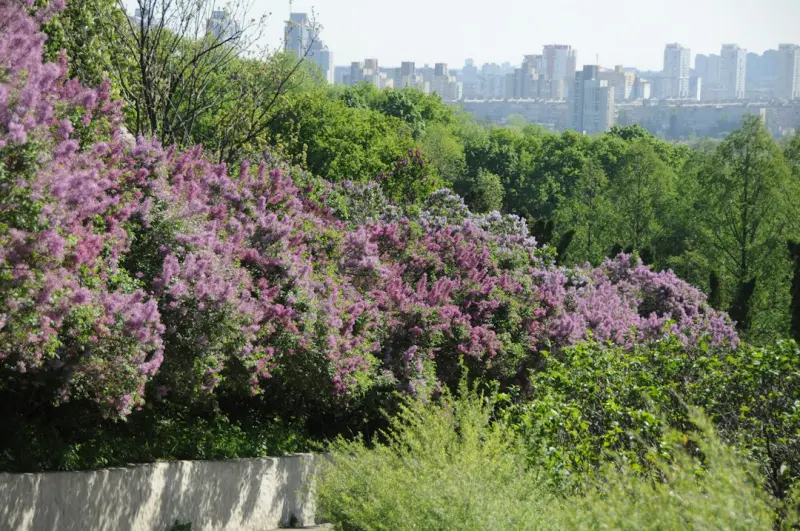
Why Tree Care is the Unsung Hero of Sustainable Property Management
When most people think about sustainability, the first things that come to mind are solar panels, high‑efficiency HVAC, or reclaimed building materials. Rarely do we hear a chorus of applause for the living, breathing giants that line our streets and shade our yards: trees. As someone who has spent years nurturing both indoor plants and outdoor canopies, I’ve learned that a well‑planned tree care strategy can be the single most impactful, yet cost‑effective, element of a property’s environmental performance.
The Hidden Value Tree Canopy Brings to Buildings
Beyond the obvious aesthetic appeal, trees serve as natural climate moderators. Their leaves intercept sunlight, reducing heat gain on roofs and walls—a phenomenon known as shading coefficient reduction. In dense urban neighborhoods, a mature canopy can lower ambient temperatures by up to 5°C (9°F), slashing the need for air‑conditioning during scorching summer months.
But the benefits don’t stop at cooling. Trees act as living air filters, capturing particulate matter (PM2.5) and sequestering carbon dioxide. A single mature oak can absorb roughly 48 kg of CO₂ per year. Multiply that by a thoughtfully designed street tree grid, and the cumulative effect becomes a significant contribution to a building’s carbon‑footprint reduction goals.
Strategic Tree Placement: A Blueprint for Energy Savings
Tree placement isn’t an afterthought; it’s a design decision that should be integrated from the earliest planning stages. Here are three placement principles that have consistently delivered measurable energy savings:
- Windbreaks on the windward side – Positioning taller, dense‑leafed species against prevailing winds reduces wind chill on the building envelope, which in turn lessens heating demand in cooler months.
- Deciduous trees on the south‑facing façade – In the summer, leaves provide shade; in winter, they shed, allowing solar gain to warm interiors.
- Strategic placement near reflective surfaces – Trees planted near glass façades can mitigate glare while still allowing natural light to penetrate deeper into interior spaces.
By mapping out these zones in collaboration with architects, property managers can turn a simple landscaping plan into a performance‑enhancing system.
Proactive Health Monitoring: From Visual Checks to Data‑Driven Insight
Maintaining tree health used to be a labor‑intensive task: climbing ladders, inspecting bark, and guessing at the cause of a wilted leaf. Today, a blend of low‑tech observation and high‑tech monitoring can dramatically improve outcomes.
Regular visual inspections remain essential. Look for signs such as:
- Discolored or mottled foliage
- Excessive leaf drop outside of seasonal norms
- Cracks in bark or oozing sap
- Visible pests or fungal growths
When these symptoms appear, act quickly—delays can turn a treatable condition into a costly removal.
For larger properties, consider integrating Data‑Driven Flooring concepts into your tree health regime. Sensors that track soil moisture, temperature, and even sap flow can send real‑time alerts to a mobile dashboard, allowing arborists to intervene before stress becomes visible.
Root Management: The Quiet Battle Below Ground
Roots are the lifelines of trees, but they can also become the source of conflict with building foundations, sidewalks, and underground utilities. A proactive root management plan involves:
- Root barriers – Installing physical barriers (often a thick, impermeable membrane) along the perimeter of foundations can steer growth away from structural elements.
- Soil aeration – Periodic aeration improves oxygen flow, encouraging deeper, more stable root development.
- Selective pruning – Trimming surface roots that threaten sidewalks or driveways reduces the risk of upheaval without compromising the tree’s overall stability.
Neglecting root care can result in costly repairs. A cracked sidewalk or a shifted foundation slab can quickly eclipse any savings gained from reduced energy usage.
Choosing the Right Species for Your Site
Not all trees are created equal, and the “right” species depends on climate, soil type, and the intended function. Here’s a quick guide to match species with common objectives:
- Heat mitigation – Species with broad canopies and dense foliage, such as London plane or sycamore, excel at shading large roof areas.
- Wind reduction – Narrow‑crowned trees like poplars or birches serve as effective windbreaks without overwhelming the site.
- Air quality improvement – Species with high leaf surface area, such as maples and oaks, capture more particulates.
- Low‑maintenance – Native, drought‑tolerant varieties like eastern redbud or serviceberry require less irrigation and fertilization.
When in doubt, consult a certified arborist who can conduct a site‑specific assessment. Their expertise ensures that you avoid planting trees that become future liabilities.
Integrating Tree Care with Overall Property Maintenance
Tree care should not exist in a silo; it thrives when woven into the broader maintenance schedule. Here are three ways to achieve seamless integration:
- Unified service contracts – Pair tree pruning and health checks with existing landscaping or handyman contracts. A Handyman Subscription Service can be a convenient hub for routine tasks, reducing admin overhead.
- Seasonal checklists – Align tree inspections with seasonal HVAC maintenance, roof inspections, and gutter cleaning. This synchrony minimizes duplicate site visits.
- Digital work orders – Use a centralized property management platform to log tree‑related work orders, track completion, and archive inspection reports for compliance purposes.
When tree care is treated as an integral line item, its cost is spread across multiple budget categories, making it a smarter financial decision.
Financial Incentives and ROI: Turning Green into Gold
Many municipalities and utility companies offer rebates, tax credits, or grants for planting and maintaining urban trees. These programs can offset installation costs by up to 30 %. Additionally, a well‑maintained canopy can boost property values—buyers often pay a premium for homes with mature, healthy trees.
From an ROI perspective, the equation is simple: energy savings + water savings + increased property value – maintenance cost = net benefit. In many case studies, the payback period for a strategic tree‑planting program falls between 5 and 8 years, after which the benefits become pure profit.
Case Study: A Mid‑Size Office Complex Turns Trees into a Competitive Edge
Consider a 150,000‑square‑foot office building located in a temperate city. The property manager partnered with an arborist to implement a tree strategy focused on three goals: reduce cooling loads, improve employee wellbeing, and achieve LEED certification.
Key actions included:
- Planting 30 deciduous trees along the south façade to provide summer shade.
- Installing soil moisture sensors linked to the building’s existing BMS, enabling precise irrigation scheduling.
- Scheduling bi‑annual health inspections, incorporated into the building’s annual maintenance contract.
Results after two years:
- Average cooling energy consumption dropped by 12 %.
- Tenant satisfaction surveys showed a 15 % increase in perceived comfort.
- The building earned LEED Gold, unlocking additional rental premium.
This example underscores how tree care, when executed with foresight, becomes a strategic asset rather than a peripheral concern.
Future‑Proofing Your Tree Assets
Climate patterns are shifting, and the trees we plant today must be resilient to future conditions. Here are three forward‑thinking practices:
- Diverse planting palettes – Avoid monocultures; a mix of species reduces vulnerability to pests, disease, and extreme weather.
- Adaptive irrigation – Leverage sensor data to adjust watering schedules as precipitation patterns evolve.
- Continuous training – Keep your maintenance team updated on the latest arboricultural techniques and emerging tree‑health technologies.
By embedding adaptability into your tree care program, you protect your investment against the uncertainties of a changing climate.
Takeaway: Tree Care as a Core Pillar of Sustainable Operations
In the quest for greener buildings, trees are often the quiet, overlooked hero. Their ability to regulate temperature, improve air quality, and enhance property value makes them a low‑cost, high‑impact component of any sustainability roadmap. By approaching tree care with the same rigor you apply to HVAC systems, lighting, or roofing, you unlock a cascade of benefits that ripple through energy savings, occupant health, and financial performance.
So the next time you walk past a sturdy oak or a graceful maple, remember: that living pillar is not just a pretty backdrop—it’s a powerhouse of sustainability waiting to be harnessed.

When it comes to the world of blogging and writing, Rose DesRochers is a name that stands out. Her passion for creating quality content and connecting with her audience has made her a trusted voice in the industry. Aside from her skills as a writer and blogger, Rose is also known for her compassionate nature.
Related Posts
Why Tree Care Becomes a Powerful Business Growth Engine
Explore a fresh perspective on tree stewardship, revealing how strategic tree care cuts energy costs... Read More

The Evolution of Tree Care: Why Sustainable Practices Matter
Sustainable tree care practices are essential for maintaining a healthy environment and ensuring the... Read More
Cultivating Resilient Urban Canopies: A Hands‑On Guide to Tree Stewardship
A comprehensive, hands‑on guide outlines how to map root zones, improve soil health, prune strateg... Read More
Top Posts

The Rise of Sustainable Wallpapering: A New Era for Interior Design
Sustainable wallpapering is a growing trend in interior design. Learn about the benefits, materials, and techniques that are making it possible to create eco-fr...Read More

Cultivating Backyard Microclimates: A Hands‑On Guide to Year‑Round Harvest
Discover practical steps to map sunlight, manage water, improve soil, and select plants for distinct microclimates, turning a modest yard into a resilient, year...Read More

The Sustainable Awning Revolution: A Game-Changer for Homeowners
Sustainable awnings offer eco-friendly solutions for homeowners, reducing energy consumption and improving air quality while increasing property value....Read More
When Countertops Shape Mood: Designing for Wellness in Commercial Spaces
Countertops do more than hold dishes—they influence touch, sight, and sound. This post reveals how thoughtful material choices, biophilic elements, and acoust...Read More
0 Comments
Post Comment
You will need to Login or Register to comment on this post!