

When I first started pruning the old oak behind the office park, I thought of it as a simple landscaping task—cut a few branches, tidy the lawn, and call it a day. Over the years, however, that same tree has taught me that every canopy is a living data point, a strategic asset, and a silent negotiator in your facility’s bottom line. In this piece, I’m pulling back the leaves to reveal why tree care belongs in the boardroom, not just the garden shed.
The Hidden Economics of a Healthy Canopy
Most property managers track square footage, energy consumption, and even air‑quality metrics, but they rarely measure the financial return of a well‑maintained tree. Think of a mature shade tree as a natural HVAC system: it reduces cooling loads in summer, mitigates wind chill in winter, and filters pollutants that would otherwise tax your indoor filtration equipment.
- Cooling savings: A single, properly placed canopy can cut building cooling costs by up to 30% during peak heat waves.
- Storm protection: Healthy root structures anchor soil, reducing erosion and the likelihood of costly water‑damage repairs after heavy rains.
- Property value: Real‑estate studies consistently show that mature, well‑cared‑for trees boost curb appeal and can increase property valuation by 5‑10%.
When you quantify these benefits, tree care moves from a “nice‑to‑have” to a core component of strategic facility management.
From Aesthetic to Asset: Reframing Tree Care
In my experience, the biggest barrier to proactive tree stewardship is perception. Many executives view arboriculture as a seasonal expense rather than a capital investment. To shift that mindset, I recommend three steps:
- Integrate tree health metrics into your existing asset‑management dashboard. Use a simple scorecard that tracks leaf density, canopy spread, and root health alongside HVAC efficiency.
- Schedule routine inspections with data‑driven frequency. Rather than an annual walk‑through, adopt a AI-driven asset monitoring cadence that flags stress signals—such as sudden leaf discoloration or soil moisture dips—before they become emergencies.
- Partner with a certified arborist who speaks the language of ROI. The right professional can translate a tree’s growth rings into a projected cost‑avoidance model for the next decade.
By treating trees as data‑rich assets, you open the door to smarter budgeting, risk mitigation, and sustainability reporting.
Leveraging Technology Without Losing the Touch
Technology is not a replacement for the hands‑on intuition that seasoned arborists bring, but it can amplify their effectiveness. Here’s how modern tools can enhance traditional practices:
- Drone‑based canopy imaging. High‑resolution aerial photos reveal dead limbs, fungal hotspots, and structural imbalances that are invisible from ground level.
- IoT soil sensors. Small, wireless devices monitor moisture, pH, and nutrient levels in real time, feeding data straight to your facilities platform.
- Predictive analytics. By feeding historical health data into machine‑learning models, you can forecast stress events—like drought or pest infestations—weeks before they manifest.
When you marry these tools with a seasoned arborist’s expertise, you create a airflow optimization mindset that treats the entire built environment as an interconnected ecosystem.
Seasonal Strategies for Maximum Impact
Each season presents a distinct set of opportunities—and challenges—for tree health. Below is my go‑to seasonal checklist, designed to keep your canopy thriving while aligning with broader operational goals.
Winter: Fortify the Foundations
Cold can be brutal on shallow root systems. Wrap the base of vulnerable trees with breathable burlap to insulate against frost. Pair this with a soil‑temperature sensor to ensure the ground stays above the critical freezing point for root respiration.
Spring: Prune with Purpose
Spring is the optimal window for structural pruning. Focus on removing crossing branches that create weak “V” angles—these are common failure points during high winds. Document each cut and update your asset‑management scorecard; the data will help you justify future budgeting.
Summer: Hydrate and Harvest
Heat stress spikes in midsummer. Deploy mulching around the drip line to conserve moisture and moderate soil temperature. Consider a slow‑release fertilizer that feeds during the growing season without encouraging excessive, weak growth.
Fall: Prepare for Dormancy
As trees enter dormancy, inspect for pest activity—especially bark beetles that love weakened hosts. Apply a targeted, environmentally‑friendly insecticide if needed, and schedule a final health audit before the cold sets in.
Integrating Tree Care with Sustainability Goals
For organizations chasing carbon‑neutral or net‑zero targets, trees are a natural ally. A mature hardwood can sequester up to 48 pounds of CO₂ per year. Multiply that by a campus of 30 trees, and you’re looking at a modest—but meaningful—offset.
But the real power lies in synergy. Pairing tree‑based carbon capture with renewable energy projects (like rooftop solar) creates a multi‑layered sustainability narrative that resonates with investors, tenants, and the community.
Case Study: Turning a Neglected Grove into a Competitive Edge
One client—a mid‑size tech campus—had a neglected cluster of maples that were slowly dying from a fungal disease. The property manager initially saw the issue as a liability, budgeting a $12,000 removal cost.
We proposed an alternative: engage a certified arborist, install soil sensors, and run a predictive health model. Within six months, the model flagged early stress signals, allowing targeted fungicide applications that saved 80% of the trees. The result?
- Reduced cooling load by 22% thanks to restored canopy shade.
- Improved employee satisfaction scores (the “green view” factor rose by 15%).
- Captured an additional 2,400 pounds of CO₂ annually, contributing to the company’s sustainability report.
- Saved $9,600 in removal and replanting costs.
This transformation turned a perceived liability into a strategic differentiator, illustrating that thoughtful tree care can directly influence the bottom line.
Building a Tree‑Care Culture Within Your Organization
To sustain these gains, embed tree stewardship into your corporate culture:
- Employee engagement. Host quarterly “tree‑watch” walks where staff learn to spot early signs of stress.
- Cross‑department collaboration. Align facilities, sustainability, and finance teams around a shared tree‑health KPI.
- Recognition programs. Celebrate milestones—like the first year of a newly planted oak reaching maturity—with internal newsletters.
When employees see trees as part of the company’s narrative, maintenance budgets become a shared responsibility rather than a line‑item footnote.
Future‑Proofing Your Canopy with Climate‑Resilient Species
Climate patterns are shifting, and the trees that thrived a decade ago may struggle tomorrow. Conduct a species‑risk assessment to identify which of your current plantings are vulnerable to emerging threats—heatwaves, invasive insects, or altered precipitation cycles.
When you need to replace a failing tree, opt for climate‑resilient varieties that offer similar aesthetic and functional qualities. Native species are often the safest bet, as they have evolved to thrive in local conditions.
Final Thoughts: Trees as Strategic Partners
Tree care isn’t a peripheral task; it’s a strategic lever that can reduce energy costs, boost property values, and reinforce sustainability narratives. By treating each tree as a data‑rich asset—complete with health metrics, predictive alerts, and ROI calculations—you’ll elevate your facilities program from reactive maintenance to proactive stewardship.
If you’re ready to reimagine your canopy as a competitive advantage, start with a single step: integrate a simple health scorecard into your existing asset‑management platform. The results may surprise you, and the shade will certainly be worth it.

When it comes to the world of blogging and writing, Rose DesRochers is a name that stands out. Her passion for creating quality content and connecting with her audience has made her a trusted voice in the industry. Aside from her skills as a writer and blogger, Rose is also known for her compassionate nature.
Related Posts
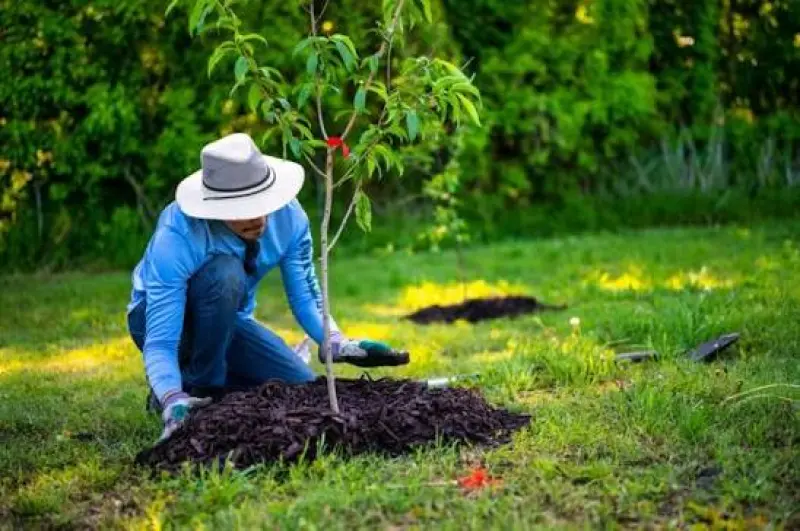
Nurturing Urban Giants: A Tree‑Care Journey from Roots to Canopy
A seasoned arborist shares hands‑on techniques for healthy roots, seasonal pruning, natural pest c... Read More

The Sustainable Tree Care Playbook: Tips from a Veteran Contractor
Learn how to assess, prune, water, and protect trees sustainably, with insider tips from a veteran c... Read More
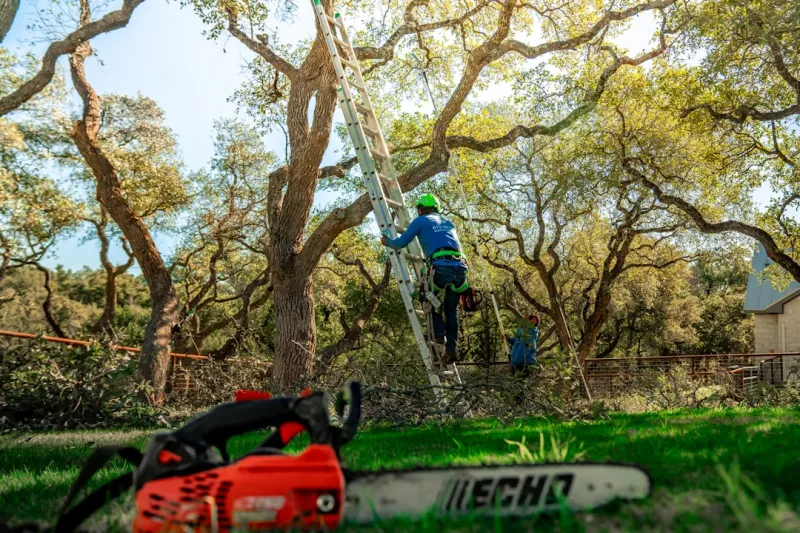
The Role of Trees in Sustainable Home Design
Trees play a vital role in sustainable home design, providing benefits like energy efficiency, air q... Read More
Top Posts

The Ultimate Renovation Checklist: From Planning to Punch List
Tom Ferguson shares a comprehensive renovation checklist that walks you through every phase—from defining goals and securing permits to quality control and po...Read More

Responsive Edge Controllers: Redefining Electrical Distribution for Modern Facilities
Traditional panels waste energy and risk equipment failure. Learn how responsive edge controllers provide instant load management, integrate renewables, and tur...Read More

The Importance of Sustainable Gutter Systems in Home Design
Sustainable gutter systems play a crucial role in eco-friendly home design. Learn about the benefits, materials, and best practices for installation....Read More

Modular Smart Drywall: Speed, Data, and Circular Value
A deep dive into modular drywall panels that combine rapid installation, embedded IoT sensors, and recyclable design, offering a fresh, sustainable path for mod...Read More
0 Comments
Post Comment
You will need to Login or Register to comment on this post!