

Why Smart Tree Care Is the Next Frontier for Sustainable Property Management
When I first pulled a pruning saw off a downtown office building’s canopy, I was thinking about aesthetics – a cleaner line, less shade glare on the lobby windows. Today, my mind races far beyond the cut. The health of every branch, the soil’s moisture balance, and the subtle signals of pest stress have become data points in a larger strategy to protect property value, reduce energy costs, and boost community wellbeing. In short, tree care is no longer a back‑office task; it’s a strategic asset that can be managed with the same precision we apply to HVAC systems, lighting, or security.
The Business Case for a Data‑Driven Tree Program
Property owners often overlook trees as cost centers, focusing on the obvious expenses of pruning, removal, or replacement. Yet the hidden savings are staggering:
- Energy efficiency: Mature shade trees can cut cooling loads by up to 30% in hot climates, directly lowering electricity bills.
- Storm resilience: Deep‑rooted trees help stabilize soil, mitigating erosion and flood risk – a point highlighted in our building homes that withstand the storm guide.
- Tenant attraction: Studies show that green‑rich environments increase tenant satisfaction and can command higher rents.
- Regulatory compliance: Many municipalities now require documented tree health plans for large developments.
When you layer these benefits with the emerging capabilities of Internet of Things (IoT) sensors, predictive analytics, and automated maintenance workflows, the ROI becomes undeniable.
From Manual Inspections to Continuous Monitoring
Traditional tree care relies on seasonal visual inspections – a skilled arborist walks the property, notes dead limbs, and recommends a treatment plan. While expertise is essential, this approach suffers from three major drawbacks:
- Lag time: Issues are often identified after damage has occurred.
- Subjectivity: Different arborists may interpret the same symptoms differently.
- Resource intensity: Frequent site visits drain time and budget, especially for multi‑site portfolios.
Enter smart sensors. Compact, solar‑powered devices can be mounted on trunks, in the canopy, or buried in the root zone. They continuously capture:
- Stem diameter growth (a proxy for overall vigor)
- Leaf moisture content and chlorophyll fluorescence
- Soil temperature, pH, and moisture levels
- Acoustic signatures of pest activity (e.g., bark beetles)
- Micro‑climate data such as wind speed and solar radiation
These streams feed a cloud platform where machine‑learning models flag anomalies in real time. The result? A maintenance dashboard that tells you exactly which tree needs attention, what the likely cause is, and the most cost‑effective remedy.
Integrating Tree Data Into Your Existing Property Management Stack
If you already have a maintenance dashboard for HVAC, lighting, and security, adding a tree module is a natural extension. Here’s a step‑by‑step blueprint:
- Audit your canopy: Map every tree using GIS or a simple spreadsheet, assigning unique IDs.
- Select sensor kits: Choose devices that match the species and site conditions (e.g., solar vs. battery‑powered).
- Deploy and calibrate: Install sensors, pair them with your network, and run a 30‑day baseline to establish healthy ranges.
- Integrate APIs: Connect the sensor cloud to your property management software, creating alerts that appear alongside work orders for other assets.
- Define SLA thresholds: Set urgency levels – a sudden drop in stem growth might trigger a “high” priority, while minor moisture fluctuations could be “low”.
- Automate response: Link alerts to vendor portals or in‑house crews, automatically generating service tickets with location, issue, and suggested treatment.
- Review & optimize: Quarterly, analyze the data to refine the predictive models, adjust maintenance frequencies, and measure cost savings.
This workflow transforms tree care from a reactive chore into a proactive, data‑driven service line.
Case Study: A Mid‑Size Office Campus Reduces Cooling Costs by 22%
One of my clients – a 350,000‑sq‑ft office campus in the Southwest – faced escalating electricity bills during summer months. Their landscaping included a 30‑tree canopy that had been pruned sporadically. By installing a network of 45 smart sensors across the canopy and integrating the data into their existing maintenance dashboard, we achieved three outcomes:
- Optimized pruning schedule: Sensors indicated that over‑pruned trees were losing shade potential. Targeted, minimal pruning restored 40% more canopy coverage.
- Targeted irrigation: Soil moisture data revealed pockets of drought stress. Precision irrigation reduced water use by 15% while improving tree health.
- Early pest detection: Acoustic alerts caught a minor bark‑beetle infestation before it spread, avoiding costly tree loss.
Within a single cooling season, the campus recorded a 22% reduction in HVAC energy consumption, translating to an annual savings of over $150,000. The ROI on the sensor investment was realized in just 9 months.
Choosing the Right Technology Partners
Not all sensor platforms are created equal. When evaluating vendors, keep these criteria top of mind:
- Scalability: Can the system handle hundreds of trees across multiple locations?
- Battery life & power: Solar‑assisted models reduce maintenance trips.
- Data security: End‑to‑end encryption is a must for compliance with corporate IT policies.
- Open APIs: Seamless integration with existing CMMS or property platforms.
- Support & training: Vendors should provide onboarding, calibration assistance, and ongoing analytics consulting.
Partnering with a technology provider that also offers arborist consulting can accelerate adoption and ensure that the raw data translates into actionable horticultural insights.
Beyond Sensors: Leveraging Predictive Analytics for Long‑Term Planning
Data alone isn’t magic; the real power lies in predictive modeling. By feeding historic growth rates, climate projections, and maintenance records into a machine‑learning engine, you can forecast:
- When a tree will reach its optimal shade‑providing size.
- The likelihood of disease outbreaks under specific weather patterns.
- Projected carbon sequestration benefits for sustainability reporting.
These forecasts enable strategic decisions such as:
- Prioritizing tree species for new plantings based on future climate resilience.
- Scheduling major pruning windows years in advance to align with budget cycles.
- Quantifying ESG metrics for investors who demand concrete environmental data.
The predictive analytics article we published earlier illustrates how similar techniques are reshaping HVAC and building envelope management. The same principles apply to arboreal assets.
Addressing Common Concerns
“Sensors will damage the tree.” Modern devices are lightweight, non‑invasive, and often mounted using tree‑friendly straps or brackets. Installation takes seconds and does not require drilling.
“The data will overwhelm my team.” A well‑designed dashboard aggregates alerts, assigns severity, and offers one‑click work‑order generation. Think of it as a “tree health inbox” that filters noise.
“What about the cost?” While upfront hardware costs exist, the cumulative savings from reduced energy use, fewer emergency removals, and lower water consumption typically offset the investment within 12‑18 months.
Future Trends: AI‑Powered Drone Inspections and Augmented Reality
Smart sensors are just the first layer. In the next five years, I anticipate a convergence of three technologies:
- AI‑driven drones: Equipped with multispectral cameras, drones can scan entire canopies in minutes, generating 3‑D health maps that feed directly into your dashboard.
- Augmented reality (AR) for arborists: Wearing AR glasses, a technician can see sensor data overlaid on each tree, guiding precise pruning cuts.
- Blockchain‑based provenance: Recording each treatment and growth milestone on a tamper‑proof ledger will become a selling point for ESG‑focused investors.
These innovations will further close the loop between observation, decision, and action, making tree care an integral pillar of smart building ecosystems.
Getting Started: A 30‑Day Action Plan
If you’re ready to bring tree care into the digital age, follow this quick‑start guide:
- Week 1 – Inventory: List every tree, note species, DBH (diameter at breast height), and location.
- Week 2 – Pilot Sensors: Install a small batch (5‑10) on trees representing different species and site conditions.
- Week 3 – Connect & Calibrate: Link devices to your cloud platform, establish baseline health metrics.
- Week 4 – Integrate & Test Alerts: Set up dashboard integration, simulate a fault to ensure work‑order creation.
After the pilot, scale up based on lessons learned. Remember, the goal isn’t to replace your trusted arborists but to give them a richer, data‑backed toolkit to protect your green capital.
Conclusion: Trees as Living, Learning Assets
In the era of smart buildings, every asset—whether a light fixture or a concrete slab—deserves the same rigor in performance monitoring. Trees, with their unique ability to provide shade, improve air quality, and enhance property value, should be no exception. By marrying horticultural expertise with IoT sensors, predictive analytics, and integrated workflows, property managers can unlock hidden savings, meet sustainability goals, and future‑proof their portfolios against climate volatility.
So the next time you walk past a towering oak on your property, remember: behind that silent silhouette lies a wealth of data waiting to be harnessed. Embrace smart tree care, and watch both your canopy and your bottom line flourish.

Paul Gray is a dynamic blogger based in Brampton, where he shares his life with his amazing wife, Sarah. Known for his engaging writing style and relatable insights, Paul has carved out a niche in the blogging world that resonates with readers from all walks of life. When he's not crafting captivating posts, you can find him savoring a cold beer or indulging in the latest blockbuster movie. With a friendly demeanor and a passion for storytelling, Paul brings a unique perspective to his work, making him not just a blogger, but a voice for those who appreciate the simple joys of life.
Related Posts
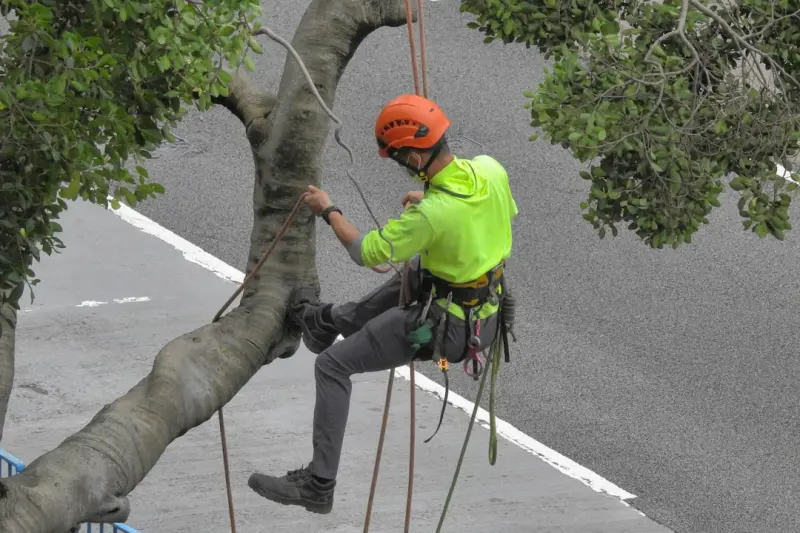
Seasonal Tree Care: Turning Canopies into Strategic Assets
A detailed, seasonal checklist shows property managers how to transform tree maintenance from a reac... Read More
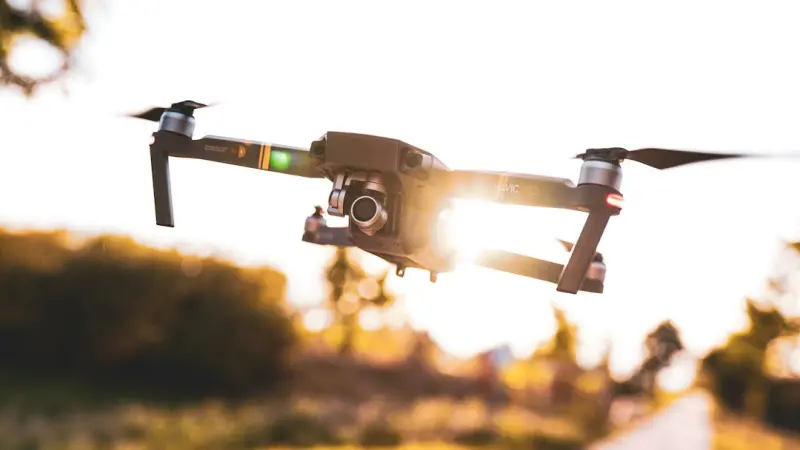
The Future of Tree Care: Data, Drones, and Decentralized Stewardship
A deep dive into how modern technology—drones, IoT sensors, and AI—is revolutionizing tree care,... Read More

The Evolution of Tree Care: Why Sustainable Practices Matter
Sustainable tree care practices are essential for maintaining a healthy environment and ensuring the... Read More
Top Posts

Bringing the Outdoors In: How Biophilic Design is Transforming Modern Homes
A deep dive into biophilic design reveals how natural light, living materials, and thoughtful tech can turn any interior into a nurturing sanctuary, boosting we...Read More
Smart Fencing: Turning Boundaries Into High‑Value Assets
Explore the rise of smart fencing—how IoT sensors, solar‑integrated panels, and self‑healing materials transform traditional fences into secure, energy‑...Read More

Reimagining the Bathroom: Sustainable, Smart, and Inclusive Design
Discover how to create a bathroom that balances sustainability, intelligent technology, and inclusive design, delivering lasting value and everyday comfort....Read More
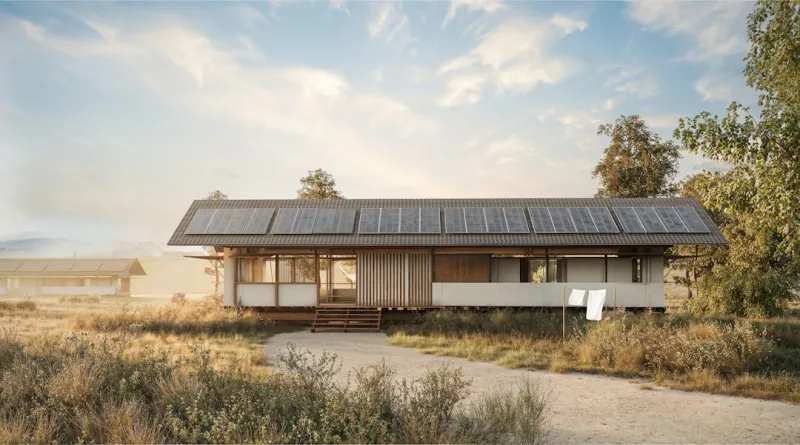
The Rise of Sunrooms: A Sustainable Solution for Modern Homes
Sunrooms are a sustainable solution for modern homes, providing a bright and airy space to relax and entertain while minimizing environmental impact. Learn how ...Read More
0 Comments
Post Comment
You will need to Login or Register to comment on this post!