
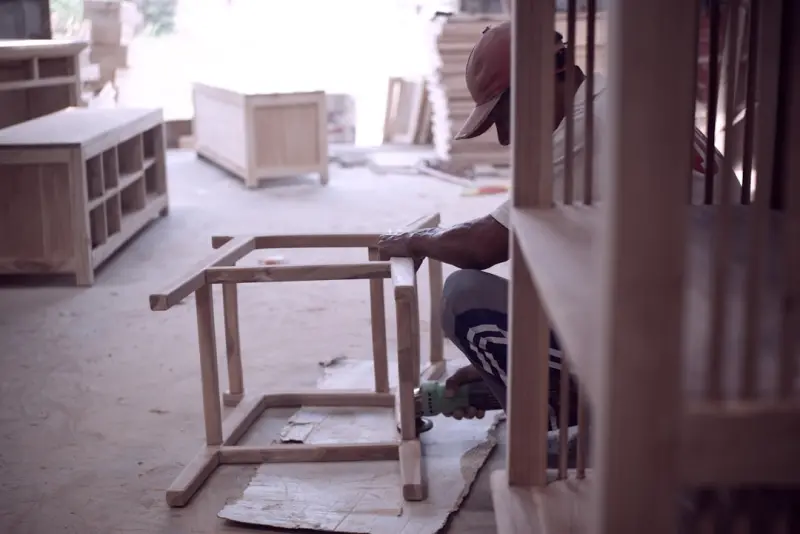
Why a Data‑Infused, Eco‑First Approach is the Next Frontier in Furniture Restoration
When I first lifted a weathered dining table from the attic, I expected the usual ritual: sand, stain, and a splash of nostalgia. What I didn’t anticipate was the avalanche of information hidden in the wood’s grain, the chemistry of modern finishes, and the potential of digital planning tools to make every decision measurable. In the past few years, the restoration community has shifted from purely intuitive craftsmanship to a hybrid practice where sustainability and data intersect. This isn’t a trend that will fade; it’s a permanent evolution that empowers hobbyists and professionals alike to bring old pieces back to life while honoring the planet.
1. Mapping the Material: From Grain to Microscopy
The first step in any restoration project is to understand the material you’re working with. Traditional methods rely on visual inspection and tactile feel, but new portable microscopes and handheld spectrometers can reveal hidden defects, moisture content, and even the type of finish originally applied. By capturing high‑resolution images of the grain, you can:
- Identify areas of fungal intrusion before they spread.
- Distinguish between genuine antique varnish and later synthetic overlays.
- Quantify the depth of surface wear, enabling precise sanding strategies.
These insights let you allocate effort where it matters most, reducing waste and preventing over‑sanding—a common pitfall that can permanently weaken a piece.
2. Choosing Sustainable Finishes Without Sacrificing Performance
Historically, oil‑based polyurethane and lacquer dominated the market for their durability, but they often contain volatile organic compounds (VOCs) that linger in indoor air. Today, bio‑based polymers derived from linseed oil, soy, and even algae are gaining traction. They provide comparable hardness and water resistance while emitting far fewer chemicals.
When selecting a finish, ask yourself three questions:
- What is the cure time? Faster cures can speed up project turnover, but they may also increase heat generation, which can affect delicate wood fibers.
- Is the product certified low‑VOC? Look for certifications like GreenGuard or Eco‑Label, which ensure compliance with strict emissions standards.
- How does the finish interact with the wood’s natural oils? Some bio‑based finishes bond better with certain species; a simple swab test can reveal compatibility before you commit to a full application.
By documenting these variables in a simple spreadsheet, you create a reusable knowledge base for future projects—an invaluable reference that turns each restoration into a data point.
3. Digital Planning: From Sketch to Execution
Before you break out the sandpaper, consider a digital mock‑up. Applications that support 3D modeling of furniture allow you to experiment with color palettes, hardware swaps, and even structural modifications without touching the piece. The benefits are twofold:
- Risk mitigation: Visualizing a new drawer front or a changed leg profile helps you catch design clashes early.
- Resource efficiency: By generating a cut list from the model, you purchase only the exact amount of wood, hardware, and finish needed.
Integrating these tools with your material analysis data ensures that every decision is grounded in both aesthetics and scientific insight.
4. Embracing Circular Economy Principles
One of the most rewarding aspects of modern restoration is the ability to contribute to a circular lifecycle for furniture. Instead of discarding irreparable components, you can repurpose them in new projects or donate them to community workshops. This mindset aligns perfectly with the broader industry shift toward resource loops.
For practical inspiration, check out the article Circular Economy in Building. It outlines how designers are sourcing reclaimed wood, upcycling hardware, and establishing take‑back programs that keep materials in use longer.
5. Measuring Success: The Metrics That Matter
Unlike traditional craftsmanship, which often relies on subjective judgment, a data‑driven approach gives you concrete metrics to evaluate success:
- Material Preservation Index (MPI): Ratio of original wood retained after sanding and repairs.
- VOC Reduction Score (VRS): Comparison of emissions between the chosen finish and conventional alternatives.
- Time‑Efficiency Ratio (TER): Total labor hours divided by the square footage of restored surface.
Tracking these numbers across multiple projects reveals patterns—perhaps a specific brand of bio‑based finish consistently yields a higher MPI, or a certain wood species responds better to a low‑temperature cure process. Over time, you build a proprietary toolkit of best practices that can be shared with clients or collaborators.
6. Real‑World Application: A Case Study
Last quarter, I tackled a mid‑century walnut sideboard that had been stored in a damp basement for decades. Here’s how I applied the principles above:
- Material analysis: Using a handheld spectrometer, I detected a lingering moisture level of 12%, well above the safe threshold of 8% for wood. I placed the piece in a climate‑controlled chamber for three days to stabilize the moisture.
- Finish selection: I chose a plant‑based polyurethane with a 30‑day low‑VOC rating, verified through the manufacturer’s certification documents.
- Digital mock‑up: A 3‑D model helped me decide to replace one set of missing drawer pulls with brass handles from a local salvage shop, ensuring visual harmony without sacrificing authenticity.
- Circular sourcing: The damaged toe‑kick was repurposed as a small shelf for a client’s office, giving the waste a second life.
- Metric outcomes: MPI was 92% (minimal removal of original veneer), VRS showed a 75% reduction in VOCs compared to a conventional finish, and TER improved by 20% thanks to pre‑planning.
The final result was a sideboard that retained its historical character, boasted a modern, eco‑friendly finish, and contributed a reclaimed element to another space. The data collected became a template for future walnut restorations.
7. Tools and Resources to Get Started
If you’re ready to adopt a data‑infused, sustainability‑first workflow, here are the essentials:
- Portable spectrometer or moisture meter: Brands like WoodMizer or Extech offer reliable, affordable units.
- Handheld digital microscope: Even a $50 USB microscope can reveal grain-level details.
- 3‑D modeling software: SketchUp Free, Fusion 360, or Blender (open source) work well for furniture design.
- Eco‑certified finishes: Look for products labeled GreenGuard, Eco‑Label, or those made from renewable feedstocks.
- Project tracking spreadsheet: Set up columns for material type, moisture content, finish used, VOC rating, labor hours, and resulting metrics.
For a quick guide on efficient, low‑maintenance repairs, the post DIY Home Repairs guide offers step‑by‑step tactics that dovetail nicely with a data‑driven mindset.
8. Looking Ahead: The Role of Automation and AI
While we’re still early in the adoption curve, AI‑powered image analysis is beginning to automate the detection of wood defects. Imagine uploading a photo of a tabletop and receiving an instant report on crack severity, moisture hotspots, and suggested sanding depth. Such tools will soon become standard in the restoration toolbox, further tightening the feedback loop between observation and action.
9. Closing Thoughts
Furniture restoration is no longer just a nostalgic craft; it’s an arena where environmental stewardship, scientific rigor, and digital creativity converge. By measuring what matters, choosing responsibly sourced materials, and leveraging modern visualization tools, you not only revive beautiful pieces but also set a benchmark for a more sustainable, data‑driven industry. Every restored chair or table becomes a story of stewardship—a tangible proof that the past can thrive in the present without compromising the future.

When it comes to the world of blogging and writing, Rose DesRochers is a name that stands out. Her passion for creating quality content and connecting with her audience has made her a trusted voice in the industry. Aside from her skills as a writer and blogger, Rose is also known for her compassionate nature.
Related Posts

Breathing New Life into Vintage Pieces: A Restorer’s Journey
Explore the art and economics of furniture restoration through a seasoned restorer’s perspective, ... Read More
Reviving Vintage Office Furniture: A Competitive Advantage
Restoring vintage office furniture isn’t just about saving money—it strengthens brand narrative,... Read More
The Smart Artisan’s Guide to Profitable Furniture Restoration
Learn to blend craftsmanship with data, sustainability, and smart marketing to turn vintage furnitur... Read More
Top Posts
Predictive Maintenance: Turning Smart Sensors into a Home’s Early Warning System
Learn how simple smart sensors provide early warnings, prevent costly repairs, and transform everyday home maintenance into a proactive, data‑driven routine....Read More

The Solar Energy Revolution: Harnessing the Power of the Sun
The solar energy revolution is gaining momentum worldwide. Learn about the benefits, challenges, and future of solar energy and how it's transforming the way we...Read More
Powering the Modern Home Office: A Practical Guide to Electrical Upgrades
Discover a step‑by‑step plan to upgrade your home office electrical system, from load audits to modular panels, ensuring safety and productivity....Read More

From Dark to Dynamic: Reimagining Your Basement as a Multi‑Purpose Sanctuary
Learn how to turn a neglected basement into a versatile wellness and productivity hub using purpose‑driven design, intelligent insulation, layered lighting, a...Read More
0 Comments
Post Comment
You will need to Login or Register to comment on this post!