
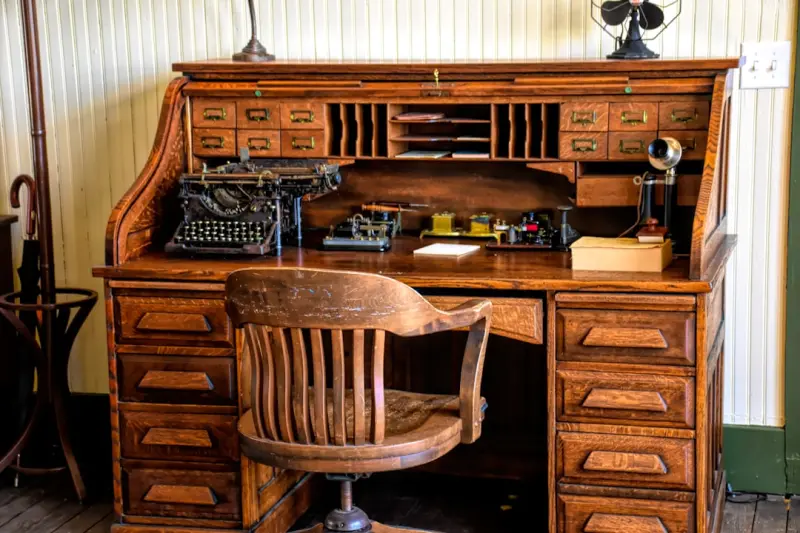
Why Restoring Vintage Furniture Is a Competitive Edge for Your Company
When a conference room receives a new table, the change is immediately visible. Yet the deeper impact on culture, budget, and brand story often goes unnoticed. Restoring a piece of furniture that has already proven its durability can deliver a cascade of benefits that new‑manufactured items simply cannot match.
The Financial Upside of Restoration
Purchasing brand‑new office furniture can consume a sizable portion of an organization’s capital budget. A well‑executed restoration project can reduce those costs dramatically. By refurbishing a sturdy desk, a conference table, or a set of shelving units, you can reclaim up to 70 % of the original purchase price while preserving the structural integrity that made the piece valuable in the first place.
Beyond the immediate savings, restored pieces tend to have longer useful lives than many budget‑line new items. The additional lifespan translates into fewer replacement cycles, less procurement overhead, and a more predictable depreciation schedule for your accounting department.
Strengthening Brand Narrative Through Heritage Pieces
Clients and employees alike respond to authenticity. A reclaimed executive desk that once belonged to a founder or a refurbished wooden credenza that echoes the company’s early days tells a story of continuity and respect for craftsmanship. That story can be woven into marketing collateral, onboarding experiences, and client tours, reinforcing a brand narrative that values endurance and thoughtful stewardship.
When you showcase these pieces, you also signal a commitment to responsible consumption—an increasingly important factor in decision‑making for partners and customers who weigh environmental considerations alongside performance metrics.
Boosting Employee Engagement and Well‑Being
Studies consistently show that environments rich in texture, history, and character enhance employee satisfaction. A polished, restored conference table invites collaboration, while a reclaimed wooden chair adds a tactile element that can break the monotony of mass‑produced seating. Employees who feel their workspace reflects care and attention are more likely to invest emotionally in their work.
Furthermore, involving staff in the restoration process—whether through idea‑sharing sessions or hands‑on workshops—creates a sense of ownership. This collaborative approach can improve morale and foster a culture of continuous improvement.
Key Steps for an Effective Restoration Project
- Assessment: Examine the piece for structural soundness. Look for warped frames, loose joints, or compromised hardware. A solid foundation is essential before any aesthetic work begins.
- Documentation: Photograph the item from multiple angles, noting any unique features or damage. This record helps guide the restoration plan and serves as a reference for future maintenance.
- Material Selection: Choose finishes, fabrics, and hardware that complement the original style while meeting contemporary durability standards. Opt for low‑VOC finishes to maintain indoor air quality.
- Professional Collaboration: Partner with skilled artisans who specialize in wood, metal, or upholstery restoration. Their expertise can transform a battered surface into a showroom‑worthy centerpiece.
- Quality Assurance: Conduct a final inspection to ensure the piece meets functional and aesthetic criteria. Test any moving parts, such as drawers or hinges, for smooth operation.
Integrating Restoration Into a Larger Facility Strategy
While furniture restoration can stand alone as a cost‑saving measure, its impact multiplies when aligned with broader facility initiatives. For instance, aligning restored pieces with a cohesive color palette and spatial layout can enhance the overall visual harmony of the office.
To explore how other facility upgrades can amplify the value of restored furniture, consider reviewing our interactive surface ideas guide. Pairing innovative floor concepts with heritage furniture creates environments that feel both cutting‑edge and grounded in tradition.
Case Study: From Neglected Credenza to Conference Room Focal Point
One mid‑size consulting firm inherited a series of heavy‑duty credenzas from a previous occupant. The pieces were functional but bore the scars of decades of use—scratched veneer, faded paint, and outdated hardware. Instead of discarding them, the firm launched a restoration initiative.
First, they documented each unit, noting the original wood grain and any unique molding. Next, a local craftsman stripped the old finish, repaired minor cracks with wood filler, and applied a modern, low‑odor polyurethane sealant. New brass handles replaced the rusted originals, providing a subtle upgrade without erasing the piece’s history.
The finished credenzas now flank the main conference table, offering storage and visual balance. Since their installation, the firm reports a 15 % increase in client satisfaction scores during on‑site meetings, attributing part of the improvement to the “thoughtful ambience” created by the restored furniture.
Environmental Benefits Without the Buzzwords
Every piece of furniture that avoids a landfill reduces the demand for raw materials and the energy required for new production. By extending the life cycle of existing assets, companies also lessen the carbon footprint associated with transportation and manufacturing.
In addition, reclaimed wood often contains natural grain patterns that are difficult to replicate with newly milled lumber, meaning less waste and a unique aesthetic that sets your workspace apart.
Leveraging Data for Smarter Restoration Decisions
While the restoration process itself is hands‑on, data can inform which pieces to prioritize. By tracking usage patterns, repair history, and employee feedback, facilities managers can develop a prioritized list that maximizes return on effort.
For example, our plumbing data insights article demonstrates how sensor data can reveal high‑traffic zones. Applying a similar approach to furniture—using occupancy sensors or reservation logs—helps identify which desks or tables receive the most use and therefore merit early restoration.
Cost‑Effective Materials and Techniques
When sourcing new finishes or upholstery fabrics, look for suppliers who offer recycled or reclaimed materials. Many manufacturers now provide high‑quality fabrics made from post‑consumer plastics, offering durability comparable to virgin fibers while keeping waste out of the supply chain.
On the finishing side, water‑based stains and sealants deliver comparable protection to solvent‑based options without the health risks. They also dry faster, reducing labor hours and allowing the restored piece to return to service sooner.
Future‑Proofing Through Modular Design
One challenge with older furniture is adapting it to evolving workstyles. Incorporating modular elements—such as interchangeable tabletops or adjustable leg heights—during the restoration phase can extend relevance as workplace dynamics shift.
Designers can embed discreet hardware that permits future reconfiguration without compromising the piece’s aesthetic. This flexibility ensures that restored furniture remains functional across multiple office layouts and usage scenarios.
Building a Culture of Continuous Renewal
Restoration should not be a one‑off project but part of an ongoing philosophy of renewal. By establishing a schedule for periodic assessments and minor touch‑ups, you can prevent minor wear from escalating into major repairs.
Encouraging employees to report issues early—such as a loose drawer or a faded finish—creates a feedback loop that keeps the office environment in top condition and demonstrates a commitment to maintaining a high‑quality workplace.
Conclusion
Restoring vintage furniture is more than a cost‑cutting measure; it is a strategic lever that enhances brand storytelling, boosts employee satisfaction, and delivers measurable environmental gains. By following a systematic assessment, leveraging data to prioritize projects, and partnering with skilled artisans, organizations can turn overlooked pieces into high‑impact assets that support long‑term business goals.

David MacKinnon is a dynamic freelance writer known for his captivating storytelling and keen insights into the world of technology. With a passion for exploring the intersection of innovation and everyday life, he crafts engaging narratives that not only inform but also inspire his readers.
Related Posts
Breathing New Life into Vintage Furniture: A Hands‑On Journey
Explore a step‑by‑step restoration process that blends history, sustainability, and modern desig... Read More
Reviving the Past: A Modern Craftsman's Guide to Furniture Restoration
Discover a hands‑on, modern approach to furniture restoration that blends traditional craftsmanshi... Read More

Breathing New Life into Old Furniture: A Story‑Centric Restoration Playbook
Explore a step‑by‑step, story‑focused method for restoring furniture that honors its history, ... Read More
Top Posts
Green Handyman Practices: Sustainable Fixes for Modern Homes
A handyman’s role is evolving beyond quick fixes to include sustainable practices that reduce waste, use reclaimed materials, and leverage smart tools—benef...Read More
Mastering Preventive Property Maintenance: A Homeowner’s Roadmap
Learn how a year‑round preventive maintenance plan, smart technology, and tenant involvement can safeguard your property, cut costs, and increase its market a...Read More

Harvesting Harmony: Designing an Edible Garden That Feeds Body and Soul
A step‑by‑step guide to building an edible garden that nourishes both body and mind, with tips on layout, plant selection, soil health, water efficiency, an...Read More

Circular Flooring: The Sustainable Edge Your Workspace Needs
Circular flooring transforms the floor from a passive expense into a strategic asset, offering lower total cost of ownership, health benefits, and measurable ca...Read More
0 Comments
Post Comment
You will need to Login or Register to comment on this post!