

The Quiet Revolution: Why Personal Storytelling Is the New Frontier in Furniture Restoration
When I first lifted a weather‑worn armchair from my grandparents’ attic, I felt a tug that was less about the wood grain and more about the lives that had brushed against it. That moment sparked a quiet revolution in my workshop—a shift from treating pieces as mere objects to honoring them as storytellers. In this post, I’ll walk you through why the narrative behind each piece matters, how to uncover those hidden stories, and the practical steps you can take to let those tales shine in today’s design‑driven world.
Beyond the Surface: What Makes a Piece Worth Telling Its Story
Most restoration guides focus on the mechanics: stripping finish, repairing joints, matching stains. Those are essential, but they’re only the first act of a deeper performance. A truly compelling restoration starts with answering three questions:
- Who created or owned the piece?
- When did it live its most vibrant moments?
- Why does it matter to you now?
When you can answer these, the process stops being a chore and becomes a dialogue between past and present. This is where the modular woodworking mindset becomes a secret weapon—by designing a flexible workflow, you can adapt your techniques to each piece’s unique narrative without forcing it into a one‑size‑fits‑all template.
Listening to the Wood: Tools for Uncovering Hidden Histories
Before you even think about sanding, give the piece a thorough visual and tactile examination. Here are my go‑to tools:
- Hand Lens – Spot subtle tool marks, nail holes, or stamped makers’ marks that hint at the piece’s origin.
- Moisture Meter – Identify areas that have absorbed water over decades, indicating past spills or leaks.
- Sound Test – Lightly tap the surface; a crisp, resonant tone often signals solid joinery, while a muted thud can reveal hidden voids.
These simple diagnostics let you map out a restoration roadmap that respects the piece’s life story rather than erasing it.
Balancing Authenticity and Modern Comfort
One of the biggest dilemmas in restoration is reconciling historical authenticity with today’s ergonomic expectations. My rule of thumb is the “two‑layer approach.” The first layer preserves the original aesthetics—original hardware, authentic patina, and period‑correct finishes. The second layer introduces subtle, modern upgrades that improve usability without compromising the visual integrity.
For instance, swapping out a brittle wooden dowel for a stainless steel hidden fastener can dramatically extend the lifespan while remaining invisible to the eye. Similarly, integrating a tech‑savvy home ally like a discreet Bluetooth speaker into a restored sideboard can add contemporary functionality without detracting from its vintage charm.
Materials Matter: Sourcing Sustainable Supplies That Respect the Past
When you need to replace missing components, consider sourcing reclaimed wood from the same era or region. Not only does this maintain material continuity, but it also aligns with the growing demand for sustainable practices. Local salvage yards, architectural deconstruction projects, and even community “wood swaps” can be treasure troves of period‑appropriate material.
When new wood is unavoidable, opt for responsibly harvested, low‑VOC finishes. Modern water‑based stains and oils can mimic historic looks while keeping indoor air quality in check—a win‑win for both heritage and health.
Documenting the Journey: From Before‑After to Narrative Archives
Every restoration should culminate in a documented narrative. I recommend a three‑step record‑keeping process:
- Pre‑Restoration Log – Photograph the piece from multiple angles, note measurements, and write down any known history.
- Process Journal – Capture key steps with photos and short notes. Include product names, techniques used, and any surprises encountered.
- Storyboard – Combine the visual and textual data into a concise, shareable format—think of it as a mini‑exhibit you can display on your website or social media.
This practice not only adds value for potential buyers or clients but also preserves the intangible heritage for future generations.
Monetizing Narrative: Turning Story‑Rich Restorations into Business Opportunities
While I’m not here to pitch a sales funnel, it’s worth noting that clients increasingly seek pieces with provenance. By highlighting the story behind a restored armchair or a refurbished dresser, you differentiate your service in a crowded market. A well‑crafted narrative can command premium pricing, especially when paired with high‑quality craftsmanship.
Consider offering a “Story Package” that includes a printed booklet, a QR code linking to a short video walkthrough, and a certificate of authenticity. This adds tangible value and reinforces the emotional connection buyers feel with the piece.
Common Pitfalls and How to Avoid Them
Even seasoned restorers stumble. Below are the three most frequent missteps and my quick fixes:
- Over‑Stripping – Removing too much original finish can erase historic clues. Use a gentle solvent test before committing to large‑scale stripping.
- Ignoring Structural Integrity – A beautiful finish won’t save a wobbly table. Prioritize repairing joints, reinforcing legs, and stabilizing the core before cosmetic work.
- Neglecting Environmental Factors – Restored pieces need proper climate control. Advise clients on humidity levels (ideally 40‑55%) and UV protection to prolong the life of the restoration.
Case Study: The Tale of a Mid‑Century Modern Credenza
Let me illustrate the process with a recent project—a mid‑century modern credenza that arrived with a cracked veneer, missing drawer pulls, and a mysterious set of brass inlays.
- Discovery Phase – The hand lens revealed a faint “B&W” stamp, indicating a Baltimore‑based manufacturer from the 1950s.
- Structural Repair – I reinforced the internal frame with dovetail joints, respecting the original construction technique.
- Veneer Restoration – Using a heat gun, I carefully flattened the cracked veneer, then applied a thin layer of wheat‑based paste to fill micro‑gaps.
- Hardware Revival – I sourced period‑accurate brass pulls from a local salvage shop and re‑finished the inlays with a matte patina.
- Story Integration – The final package included a printed “origin card” describing the credenza’s manufacturer, its original showroom context, and a QR code linking to a short video of the restoration process.
The client was thrilled—not just with the physical transformation, but with the narrative that now accompanied the piece. The credenza became a conversation starter, a tangible link to a bygone design era, and ultimately, a cherished heirloom for the family.
Future Trends: AI‑Assisted Provenance Research
While I’m a hands‑on craftsman, I can’t ignore the ripple effects of emerging technology. AI tools are beginning to analyze photos of furniture, cross‑referencing design elements with historical databases to suggest possible makers and dates. Integrating such tools into your workflow can accelerate provenance research, allowing you to spend more time on the tactile aspects of restoration.
That said, technology should complement—not replace—your intuition and expertise. Use AI as a research assistant, then apply your seasoned eye to verify and enrich the findings.
Getting Started: Building Your Own Narrative‑Centric Restoration Practice
If you’re ready to shift your focus from mere repair to storytelling, here’s a practical checklist to launch your practice:
- Define Your Niche – Choose a period, style, or material that resonates with you (e.g., Art Deco, Shaker, reclaimed industrial).
- Set Up a Flexible Workspace – Adopt a modular layout so you can reconfigure stations for different project sizes, borrowing ideas from modular woodworking.
- Invest in Diagnostic Tools – Moisture meters, hand lenses, and digital cameras are essential for uncovering hidden stories.
- Create a Storytelling Template – Draft a standard format for documenting each piece’s journey, making it easier to produce consistent, high‑quality storyboards.
- Network with Historians and Salvage Experts – Build relationships that can help you source period‑accurate materials and verify provenance.
- Leverage Digital Platforms – Showcase your work on visual platforms (Instagram, Pinterest) and embed QR‑linked story videos to enhance buyer engagement.
Remember, the heart of this approach is empathy—seeing each piece as a vessel of memories, not just a commodity.
Conclusion: The Power of Giving Furniture a Voice
Furniture restoration has long been about salvaging function and beauty. By infusing each project with its own narrative, we elevate the practice from a trade to an art of memory‑keeping. Whether you’re a hobbyist restoring a family heirloom or a professional turning a workshop into a storytelling studio, the quiet revolution begins the moment you listen to the wood, honor its past, and let it speak in the language of today’s spaces.

David MacKinnon is a dynamic freelance writer known for his captivating storytelling and keen insights into the world of technology. With a passion for exploring the intersection of innovation and everyday life, he crafts engaging narratives that not only inform but also inspire his readers.
Related Posts

Breathing New Life into Vintage Pieces: A Restorer’s Journey
Explore the art and economics of furniture restoration through a seasoned restorer’s perspective, ... Read More
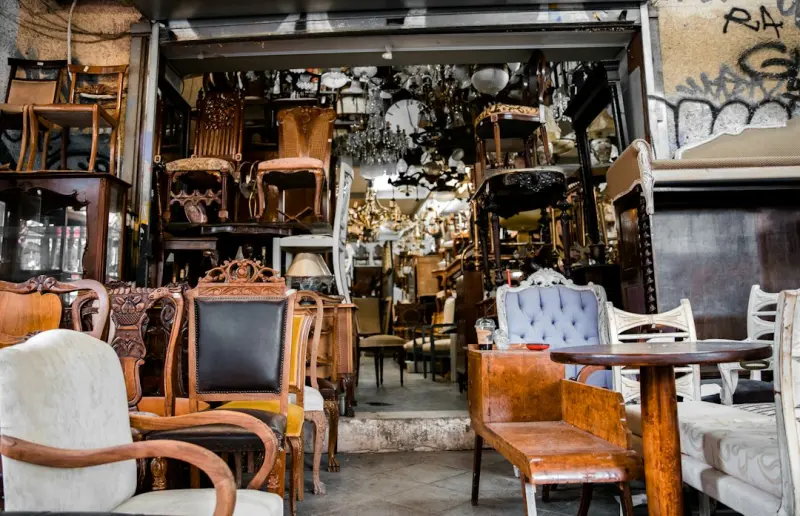
Restored Furniture: The Untapped Asset Fueling Authentic Brand Growth
Restoring furniture isn’t just about preserving the past; it’s a strategic move that enhances br... Read More

Breathing New Life Into Heirloom Furniture: A Restorer’s Journey
Explore how a restorer blends emotion, sustainability, and modern comforts to transform heirloom fur... Read More
Top Posts
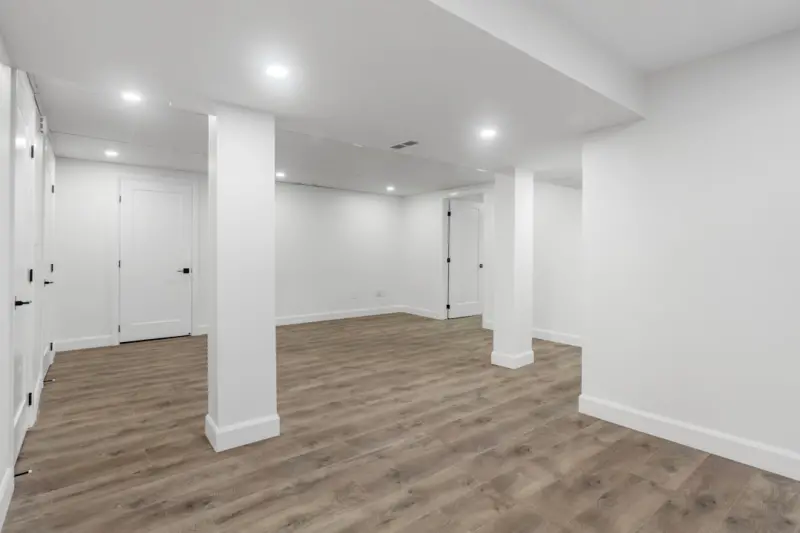
From Dark to Dynamic: Leveraging Basement Renovations for Scalable Business Spaces
Basements are often overlooked, but with modular construction, data‑driven comfort, and strategic design they can become powerful, cost‑effective spaces tha...Read More

Seeing is Cutting: How Augmented Reality is Transforming Woodworking
Augmented reality is reshaping the woodworking shop, offering real‑time visual overlays for cuts, data‑driven efficiency, and interactive client experiences...Read More

Bringing the Outdoors In: Biophilic Home Construction for Modern Living
This article dives into biophilic home construction, outlining scientific benefits, core design pillars, material choices, smart integrations, and real‑world ...Read More

The Future of Paving: How Sustainable Solutions Are Revolutionizing the Industry
The paving industry is undergoing a significant transformation, with sustainable solutions becoming increasingly popular. Learn about the benefits of eco-friend...Read More
0 Comments
Post Comment
You will need to Login or Register to comment on this post!