
Why the Circular Economy Should Be the Backbone of Every Design‑Build Project
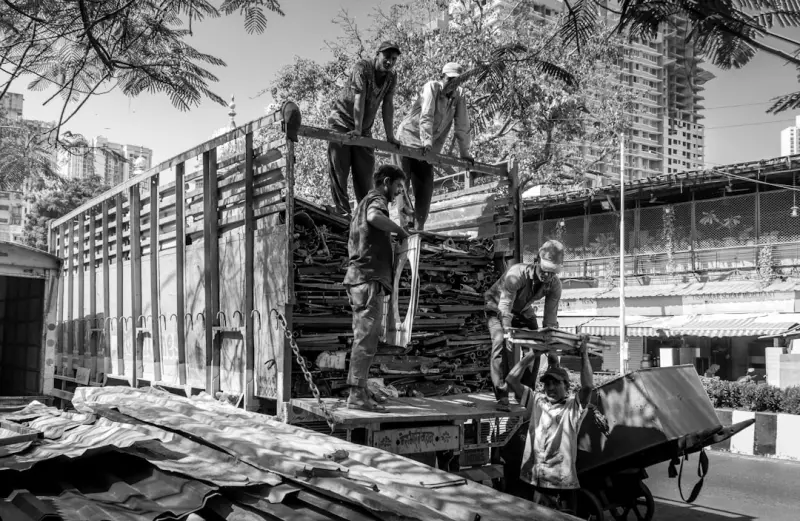
When I first stepped onto a bustling construction site with a stack of blueprints tucked under my arm, I was struck by a paradox: the sheer amount of material we moved every day—steel, timber, concrete—was both impressive and, frankly, unsettling. It felt like we were building the future while simultaneously digging a deeper hole for the planet. That moment sparked a question that still drives me: how can the design‑build process evolve from a linear “take‑make‑dispose” model to a regenerative loop that respects resources, budgets, and community?
In the past few years, the term “circular economy” has migrated from academic journals into boardroom conversations, yet many design‑build teams still treat it as a buzzword rather than a strategic foundation. This post is my attempt to demystify circular principles for design‑build professionals and show, step by step, how to embed them into every phase of a project—from concept to commissioning.
1. Rethink the Brief: From “What Do We Need?” to “What Can We Keep?”
Traditional design‑build starts with a client’s wish list: square footage, number of rooms, finishes, and a budget. I propose flipping that script. Begin the kickoff meeting by asking stakeholders to identify existing assets they already own—whether it’s reclaimed lumber from a previous renovation, salvaged windows from a neighboring demolition, or even modular wall panels that have served elsewhere.
By cataloguing these assets early, you create a materials inventory that becomes a live document throughout the project. This inventory does three things:
- Reduces procurement costs by reusing what’s already on hand.
- Minimizes waste by planning for deconstruction rather than demolition.
- Strengthens the client relationship through transparent, sustainable decision‑making.
During a recent retrofit of a historic loft, we discovered that the original exposed brick walls could be restored rather than covered with drywall. Not only did this preserve the building’s character, but it also cut material spend by 15 % and eliminated an entire round of waste hauling.
2. Collaborative Modeling: The Digital Twin as a Circular Tool
Modern design‑build teams wield BIM (Building Information Modeling) like a Swiss army knife. Yet, many still use it only for clash detection. Imagine expanding that model into a digital twin that tracks material provenance, embodied carbon, and end‑of‑life pathways.
Here’s how to get there:
- Tag every component in the BIM library with metadata—source (recycled steel, locally harvested timber), carbon footprint, and recyclability rating.
- Run lifecycle simulations that show how changing a material (e.g., swapping virgin aluminum for recycled) impacts cost, schedule, and emissions.
- Iterate with the client using visual dashboards that translate numbers into stories: “If we choose reclaimed oak, we save X tons of CO₂ and $Y in material costs.”
These simulations turn abstract sustainability goals into concrete trade‑offs that the whole team can understand and act upon. The result is a design that feels “earned” rather than “added on.”
3. Supplier Partnerships: Turning Procurement into a Value Chain
In the design‑build world, the subcontractor often feels like a cost center. Reframe that relationship by treating suppliers as circular partners. Ask them:
- Do you offer take‑back programs for unused or off‑cut materials?
- Can you provide product passports that detail recycled content and end‑of‑life options?
- Are you open to a “pay‑per‑use” model where we only pay for material that ends up in the final structure?
One of our steel fabricators recently agreed to a “closed‑loop” arrangement: any scrap generated on‑site would be returned, melted down, and credited toward future orders. This not only slashed waste fees but also gave the client a compelling story for their sustainability report.
4. Design for Disassembly: The Hidden ROI of Future Flexibility
Design‑build projects often aim for permanence, but permanence is rarely a client’s true requirement. What they truly need is flexibility. By designing connections that can be undone—think bolted steel frames, modular panel systems, and reversible adhesives—you future‑proof the building.
When the structure can be de‑constructed, you unlock two powerful benefits:
- Materials become assets that can be sold, donated, or reused, creating a revenue stream after the building’s primary life.
- Adaptability reduces renovation cost because future owners can re‑configure spaces without massive demolition.
In a recent office conversion, we used a raised‑floor system with removable tiles and integrated cable trays. Six months later, the client wanted to add a collaborative “huddle” area. Because the floor grid was modular, the new configuration was installed in a single weekend, saving $30,000 in labor.
5. Waste Management as a Service: From Landfill to Resource Hub
Most construction sites treat waste as a by‑product to be hauled away. Instead, set up a waste‑as‑service framework where on‑site sorting stations, real‑time tracking, and partnerships with recycling facilities turn each bin into a revenue‑generating node.
Key steps:
- Deploy color‑coded containers for wood, metal, concrete, and mixed waste.
- Assign a “circular champion” on‑site who logs volumes and communicates with the recycling partner.
- Integrate the data into the project’s BIM to visualize waste reduction trends.
During a mid‑scale hotel build, this approach reduced landfill waste by 70 % and earned a rebate from the city’s waste‑diversion program, translating into a $12,000 cost saving.
6. Post‑Occupancy Evaluation: Closing the Loop
Many design‑build contracts end with a punch‑list and a handover. To truly embrace circularity, extend the relationship into the post‑occupancy phase. Schedule a 12‑month audit that reviews:
- Material performance (did reclaimed wood hold up?
- Maintenance costs (are modular systems reducing O&M spend?)
- Resource recovery (how much material was reclaimed during minor renovations?)
This data not only validates the circular decisions made but also feeds back into the digital twin, sharpening future simulations.
7. Communicating Value: The Storytelling Advantage
Clients love numbers, but they also love narratives. When you have a robust circular strategy, translate it into a compelling story:
“By reusing 40 % of the original timber, we saved $45,000, cut carbon emissions by 120 tons, and preserved the building’s historic charm.”
Use visuals—before‑and‑after photos, material flow diagrams, and carbon dashboards—to make the story tangible. This not only strengthens client trust but also differentiates your firm in a crowded marketplace.
Real‑World Inspiration
If you’re wondering how these ideas look in practice, check out When Architecture Learns to Listen: Designing Buildings That Respond to Their Inhabitants. The project highlighted adaptive façades, but the underlying principle—design as a dialogue—mirrors the collaborative loops we champion in circular design‑build.
Another case study worth a read is The Home Inspection Revolution: From Reactive Walk‑Throughs to Predictive Audits. While focused on inspection, its data‑centric mindset aligns perfectly with the digital twin approach discussed here.
Getting Started: A Simple 5‑Step Playbook
- Audit Existing Assets – Create a materials inventory before drafting new plans.
- Enrich Your BIM – Tag components with circular metadata and run lifecycle analyses.
- Choose Circular Suppliers – Vet partners for take‑back and product‑passport capabilities.
- Design for Disassembly – Prioritize reversible connections and modular systems.
- Plan for Post‑Occupancy – Schedule a 12‑month performance review to capture lessons learned.
Implementing even one of these steps can shift a project’s trajectory from waste‑heavy to waste‑light. As design‑build professionals, we have the unique ability to control both the creative vision and the construction execution. Leveraging that power for circular outcomes isn’t just good stewardship—it’s good business.
Conclusion: A Call to Build with Purpose
The design‑build model already excels at streamlining communication and accelerating delivery. By weaving circular economy principles into its fabric, we amplify those strengths, delivering projects that are faster, cheaper, and kinder to the planet. The next time you pick up a blueprint, ask yourself: “What will this building give back after it’s done serving its original purpose?” If the answer is “nothing,” it’s time to redesign the process.
Let’s turn construction sites into resource hubs, contracts into stewardship agreements, and buildings into living loops. The future of design‑build isn’t just about erecting structures—it’s about cultivating ecosystems of material and value.

Kelly Reynolds is a dynamic freelance writer hailing from the picturesque landscapes of Alberta. A master of the written word, she juggles her passion for storytelling with the exhilarating chaos of being a mother to five spirited children. With an impressive portfolio that spans various genres, Kelly captivates readers through her engaging blog posts and thought-provoking articles.
Related Posts
From Sketch to Structure: How AI‑Driven Workflows Are Redefining Design‑Build
AI is turning the traditional design‑build process into a collaborative, data‑rich ecosystem. Le... Read More

Design‑Build Secrets: How I Turn Visions into Sustainable Realities
Explore the power of design‑build in creating eco‑friendly homes. From unified vision to smart w... Read More
Design‑Build Synergy: Harnessing AI‑Driven Collaboration for Faster Turnkey Projects
A deep dive into AI‑enhanced workflows that unify architects, engineers, and contractors, cutting ... Read More
Top Posts
Mastering Layered Window Treatments for Light, Comfort, and Style
Learn the art of layering curtains, blinds, and sheers to master light, privacy, and comfort—plus tips on materials, tech integration, and budget-friendly upg...Read More
The Hidden Power of Clean Ducts: A Homeowner’s Guide to Health, Efficiency, and Longevity
Explore the unseen benefits of clean ductwork—from healthier breathing to lower energy bills—and get expert advice on spotting signs, DIY checks, and select...Read More
Why General Contractors Are Turning Green and What It Means for Your Next Build
General contractors are redefining construction with green strategies that cut costs, boost efficiency, and protect the planet—learn why this shift matters fo...Read More

Breathing New Life into Aging Woodwork: A Craftsman's Roadmap
Learn how to assess, repair, and protect historic woodwork using modern tools and techniques, ensuring lasting beauty and structural integrity for generations....Read More
0 Comments
Post Comment
You will need to Login or Register to comment on this post!