
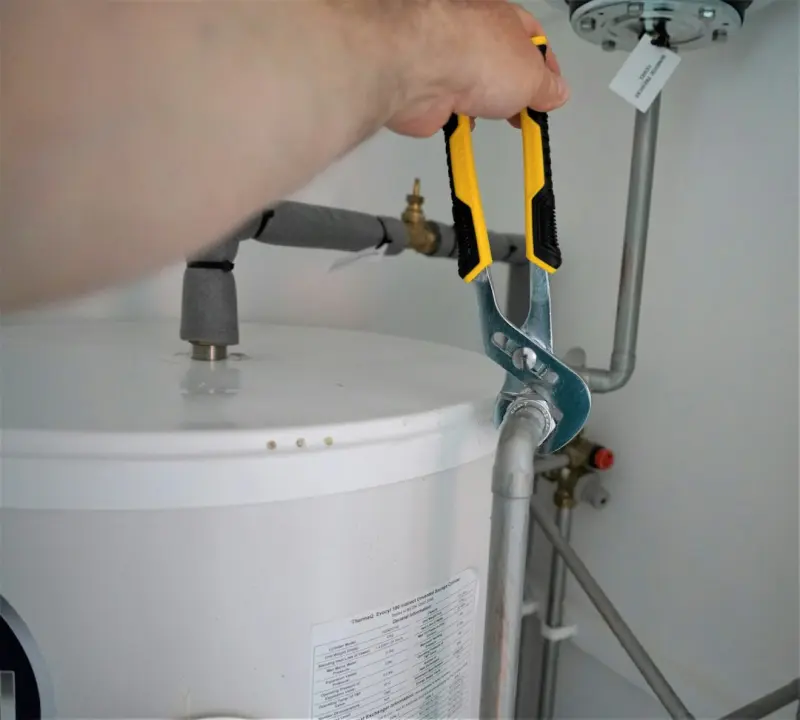
Why Plumbing Is the Next Frontier in Workplace Sustainability
When most facility managers think about sustainability, the first things that come to mind are solar panels, LED lighting, or even smart thermostats. Rarely do they consider the humble network of pipes that runs behind the walls, under the floors, and through the ceiling tiles. Yet, that invisible infrastructure carries the largest single‑use resource in any building—water. In my years as a building operations consultant, I’ve watched water‑related expenses silently erode budgets, while leaks and inefficient fixtures silently waste gallons. It’s time to bring plumbing out of the shadows and treat it as a data‑rich, performance‑driven system.
From Leaky Pipes to Predictive Insights
Traditional plumbing maintenance is reactive: a drip is heard, a floor is flooded, a repair crew is dispatched. The cost is not just the repair itself; it includes water loss, downtime, and the hidden impact on indoor air quality. Modern technology, however, allows us to flip the script. By embedding low‑power flow meters, pressure sensors, and acoustic leak detectors into the pipe network, every pipe becomes a sensor node that streams data to a central platform.
- Real‑time flow analytics expose anomalies—like a sudden 15% increase in water usage in a single zone—that would otherwise go unnoticed for weeks.
- Acoustic detection listens for the high‑frequency signatures of a leak without digging up walls, enabling a pinpointed response.
- Pressure‑based alerts spot potential pipe bursts before they happen, because a drop in pressure often precedes a failure.
When you combine these data streams with machine‑learning models trained on historical building performance, you get predictive insights that tell you where a leak is likely to occur next, when a valve may need replacement, and how much water you can safely reclaim for non‑potable uses.
Integrating Plumbing Data with Facility Management Platforms
The real magic happens when plumbing data meets the broader facility management ecosystem. Most commercial buildings already run building‑automation systems (BAS) that monitor HVAC, lighting, and security. Adding a property‑maintenance data engine allows water metrics to be visualized alongside energy consumption, occupancy, and even indoor‑air‑quality data. The result is a unified dashboard where a facility manager can see, for example, that a spike in water use coincides with a surge in occupancy, prompting a quick review of restroom fixture performance.
Such integration also fuels automated workflows: when a leak detector flags an issue, the system can automatically generate a work order, assign it to the nearest plumber, and even order the exact replacement part based on the pipe type identified by the sensor. This reduces response time from hours to minutes.
Economic Benefits That Go Beyond the Water Bill
Let’s talk dollars. The obvious savings come from reduced water consumption—often 10‑30% in buildings that adopt data‑driven plumbing controls. But the ripple effects are even more compelling:
- Lower utility penalties: Many municipalities impose tiered water rates; cutting usage can keep you in the lower tier.
- Extended asset life: Early detection of corrosion or pressure spikes prevents premature pipe replacement, saving capital expenditures.
- Insurance discounts: Some insurers offer lower premiums for buildings with proven leak‑prevention programs.
- Tenant satisfaction: Reliable water service and reduced disruptions improve employee morale and can be a differentiator in lease negotiations.
In a case study I recently consulted on, a midsize office campus reduced its annual water bill by $45,000 and avoided $120,000 in potential pipe‑burst repairs within the first year of implementing an AI‑driven monitoring solution.
Choosing Sustainable Materials Without Sacrificing Performance
While sensors and analytics are the brains of a modern plumbing system, the pipes themselves are the muscles. Today’s market offers a range of sustainable alternatives to traditional copper or galvanized steel:
- Cross‑linked polyethylene (PEX)—flexible, corrosion‑resistant, and requires fewer fittings, which reduces leak points.
- High‑density polyethylene (HDPE)—made from recycled plastic, it offers excellent durability and a lower embodied carbon footprint.
- Trenchless installation techniques—such as pipe bursting or horizontal directional drilling—minimize excavation, preserving landscaping and reducing construction waste.
When paired with real‑time monitoring, these materials provide a holistic approach: low‑impact manufacturing, reduced installation disturbance, and ongoing performance visibility.
Greywater and Closed‑Loop Systems for the Modern Office
One of the most underutilized opportunities in commercial plumbing is the reuse of greywater—water from sinks, showers, and laundry that’s not contaminated with human waste. By treating greywater on‑site and routing it to non‑potable fixtures (toilet flushing, irrigation, cooling‑tower makeup), a building can cut its potable‑water demand dramatically.
Implementing a closed‑loop system requires careful design:
- Segregated piping to keep greywater separate from blackwater.
- Filtration and disinfection stages that meet local health codes.
- Smart control valves that adjust flow based on real‑time demand, preventing over‑use.
When such a system is fed with data from the same sensors used for leak detection, you achieve a self‑optimizing water network that balances supply, demand, and quality without manual intervention.
Regulatory Landscape and Incentives
Governments are increasingly recognizing the value of water efficiency. Many regions offer rebates for installing low‑flow fixtures, water‑reuse systems, or advanced metering infrastructure. Additionally, building certification programs—LEED, BREEAM, WELL—award points for water‑saving strategies that integrate monitoring and data analytics.
Staying ahead of regulatory changes can also protect you from future penalties. For example, some municipalities are moving toward “water‑budget” ordinances that cap total building water use based on floor area. Having a data‑driven plumbing platform puts you in a strong position to demonstrate compliance and even exceed the baseline requirements.
Human‑Centric Design Meets Intelligent Plumbing
Technology is only half the equation; the other half is how people interact with water fixtures. Modern workplaces are moving away from the single‑sink bathroom model to flexible, “water‑smart” zones that adapt to occupancy patterns. Sensors can detect when a restroom cluster is heavily used and temporarily increase water pressure to maintain performance, then scale back during low‑traffic periods to conserve water.
These adaptive systems also feed data back into the broader facility platform, creating a feedback loop where human behavior informs system performance, and system performance informs space planning. Over time, you can identify under‑utilized restrooms, reconfigure floor plans, or even introduce touchless fixtures that further reduce water waste.
Case Study: Turning Data Into Action for Plumbing
To illustrate the impact, let’s examine a regional tech campus that partnered with a SaaS provider specializing in building‑performance analytics. The campus installed a network of flow meters on every major water line, acoustic leak detectors in high‑risk zones, and pressure transducers at each valve bank. Within six months, the system identified three hidden leaks—a dripping faucet in a conference room, a slow‑leak pipe behind a data center, and a faulty irrigation valve.
Because the alerts were integrated with the campus’s maintenance management software, work orders were auto‑generated, and the plumbing crew fixed the issues within 24 hours. The campus saved an estimated 150,000 gallons of water, translating to $12,000 in reduced utility costs and avoided water‑damage remediation fees.
Beyond the immediate savings, the data collected allowed the facilities team to benchmark water usage across different building sections, leading to the decision to replace all legacy fixtures with low‑flow models—a move that projected an additional 8% reduction in water consumption annually.
Getting Started: A Pragmatic Roadmap
For organizations ready to modernize their plumbing, here’s a step‑by‑step guide:
- Assess the current state: Conduct a water‑audit to map out existing pipe layouts, fixture counts, and known problem areas.
- Define clear KPIs: Set measurable targets—e.g., 15% reduction in water use, zero unplanned outages, or a specific leak‑response time.
- Choose the right technology stack: Select sensors compatible with your BAS, a data platform that supports analytics, and a maintenance workflow engine.
- Pilot in a high‑impact zone: Start with a single floor or building wing to validate ROI before scaling.
- Integrate with existing systems: Leverage the continuous‑energy inspection framework to bring water data into the same dashboard as energy and air‑quality metrics.
- Train staff and communicate value: Ensure that facilities teams understand how to interpret alerts and that occupants are aware of the sustainability goals.
- Iterate and expand: Use insights from the pilot to refine sensor placement, analytics models, and maintenance processes.
The Future Is Already Here
Plumbing is no longer a silent, static system. It’s an evolving, data‑rich network that, when properly instrumented, can become a cornerstone of workplace sustainability. By embracing AI‑driven monitoring, sustainable materials, and closed‑loop water strategies, organizations can achieve tangible cost savings, meet regulatory demands, and demonstrate a genuine commitment to environmental stewardship.
In the words of a seasoned plumber I once consulted: “You can’t fix what you can’t see.” With today’s sensors and analytics, you not only see the leaks—you anticipate them, prevent them, and turn every drop of water into an opportunity for efficiency. The time to upgrade your plumbing from a passive utility to an active performance asset is now.

William Roy is a freelance writer originally from Montreal who moved to Ottawa with his wife of 50 years to be closer to their grandkids. Alongside his writing, William has a passion for fishing.
Related Posts

Silent Water Intruders: Mastering Hidden Leak Detection for a Healthy Home
Learn how to detect invisible leaks before they cause damage. From acoustic listening devices to sma... Read More
Future‑Proof Your Home’s Plumbing: Smart, Sustainable, and Leak‑Free
Learn the essential upgrades, tools, and habits that turn ordinary plumbing into a smart, eco‑frie... Read More
Smart Plumbing Solutions for a Healthier, Greener Home
Smart plumbing turns ordinary pipes into a data‑driven network that detects leaks, improves water ... Read More
Top Posts

The Power of Paint: How Sustainable Home Painting Can Transform Your Space
Learn how sustainable home painting can transform your space and reduce your environmental footprint. Get eco-friendly tips and tricks for a healthier living en...Read More

Sunroom Synergy: Turning Light‑Filled Spaces into Business Catalysts
Explore how sunrooms can evolve from decorative add‑ons to data‑driven, revenue‑generating assets through smart glass, biophilic design, and digital twins...Read More

The Strategic Edge of Proactive Duct Cleaning for Modern Workplaces
Clean ducts aren’t just about fresh air—they’re a strategic asset. This post reveals how smart sensors, certified cleaning partners, and a data‑focused ...Read More
The Future of Paving: How Sustainable Solutions Are Revolutionizing the Industry
The paving industry is undergoing a significant transformation, with sustainable solutions becoming increasingly popular. Learn about the benefits of eco-friend...Read More
0 Comments
Post Comment
You will need to Login or Register to comment on this post!