
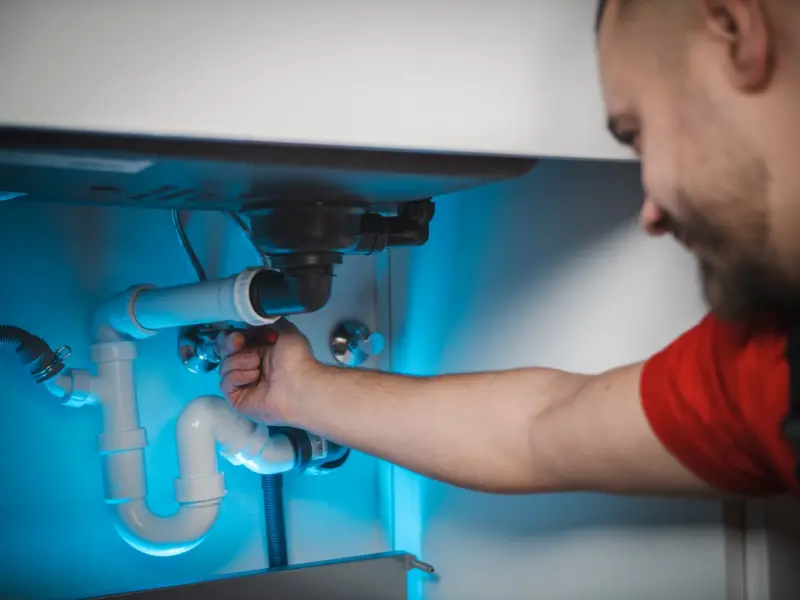
Why Plumbing Is the Next Frontier for a Smarter, Healthier Home
When most homeowners think “smart home,” the mind instantly jumps to thermostats, voice assistants, and lighting. Yet, beneath the walls and under the floors, a quiet transformation is brewing—one that could redefine comfort, sustainability, and even indoor health. This is the era of smart plumbing, where sensors, data analytics, and eco‑focused design converge to give us unprecedented control over the water that runs through our lives.
The Hidden Power of Water Data
Traditional plumbing is built on a binary premise: water flows, and it stops. Modern plumbing asks, “What else can we learn from that flow?” By embedding low‑power flow meters, temperature sensors, and pressure transducers directly into pipes, homeowners can capture a continuous stream of data. This data reveals patterns that were once invisible:
- Leak detection down to a single drip per hour, before any damage becomes apparent.
- Usage profiling that distinguishes between a morning shower, a dishwasher cycle, or a garden irrigation session.
- Water quality alerts for spikes in temperature, pH, or contaminant levels.
These insights empower users to make smarter decisions—turning off a forgotten faucet remotely, adjusting irrigation schedules based on real‑time rainfall, or swapping out a fixture that’s consuming excess water.
Health Benefits Beyond the Faucet
Water quality isn’t just a matter of taste; it directly impacts indoor health. Stagnant water in rarely used pipes can become a breeding ground for bacteria, while hot water tanks can harbor Legionella if temperatures dip too low. By pairing sensors with AI‑driven analytics, a smart plumbing system can:
- Detect temperature fluctuations that signal potential Legionella growth and automatically raise the thermostat to safe levels.
- Monitor chlorine or fluoride concentrations, alerting users if the municipal supply changes unexpectedly.
- Integrate with data‑driven mold eradication strategies, ensuring that excess humidity from leaks never translates into hidden mold colonies.
In short, smart plumbing becomes a silent guardian of the air we breathe and the water we drink.
Eco‑Smart Plumbing: From Conservation to Circularity
Environmental stewardship has moved beyond recycling paper and turning off lights. Water is a finite resource, and the plumbing industry is finally stepping up with technologies that treat water as a renewable loop rather than a one‑way stream.
Grey‑Water Recycling Made Simple
Traditional grey‑water systems require bulky tanks, manual valves, and a lot of plumbing know‑how. Modern smart modules, however, can be retrofitted onto existing fixtures. They automatically divert shower and sink runoff into a treatment chamber, filter it, and then repurpose it for toilet flushing or garden irrigation. The system’s sensors constantly measure turbidity and biological load, ensuring that recycled water never compromises hygiene.
Real‑Time Leak Prevention
Leaking pipes are one of the largest, yet most overlooked, sources of water waste. A study by the EPA estimates that a typical household loses about 10,000 gallons annually due to hidden leaks. With continuous pressure monitoring, smart plumbing can detect the minute pressure drops that signal a pipe fracture, automatically close the valve, and notify the homeowner via smartphone. This not only saves water but also averts costly water‑damage repairs.
Integrating Smart Plumbing With the Wider Smart Home Ecosystem
One of the greatest advantages of a data‑rich plumbing system is its ability to talk to other smart devices. Imagine this scenario:
- The outdoor rain sensor detects a forecasted downpour.
- The smart irrigation controller pauses lawn watering.
- Simultaneously, the smart thermostat lowers the hot water setpoint, conserving energy while you’re away.
- If a leak is detected, the home’s security system receives an alert, prompting a video feed of the affected area.
This level of orchestration requires a unified platform—often a cloud‑based hub that aggregates data from plumbing, HVAC, lighting, and security. While many homeowners are already comfortable with platforms like Apple HomeKit or Google Home, the plumbing sector is now catching up with its own set of open APIs, enabling developers to build custom automations that truly feel intelligent.
Design Considerations for Retrofits and New Builds
Whether you’re renovating a century‑old townhouse or constructing a modern loft, integrating smart plumbing demands thoughtful planning:
- Pipe Material Compatibility: Sensor‑enabled fittings are typically available in copper, PEX, and PVC. Ensure that the material you choose can accommodate the sensor’s size without compromising flow.
- Accessibility: Sensors need power (often via low‑voltage PoE) and occasional firmware updates. Installing them in accessible utility closets simplifies maintenance.
- Data Routing: A dedicated Ethernet line or a robust Wi‑Fi mesh ensures that high‑frequency data streams aren’t bottlenecked by other home devices.
- Future‑Proofing: Choose modules that support OTA (over‑the‑air) updates, allowing you to benefit from algorithmic improvements without hardware changes.
Case Study: Turning an Old Victorian Into a Water‑Smart Haven
One of our recent collaborations involved a Victorian home built in the late 1800s. The owners wanted modern comfort without sacrificing historic character. Here’s how smart plumbing delivered:
- Baseline Audit: Using AI‑driven predictive maintenance, we mapped water usage patterns and identified a hidden pipe corrosion issue that had been leaking for months.
- Sensor Deployment: Discreet flow meters were installed on the main supply line and on each bathroom branch. Temperature and pressure sensors were placed at the water heater and the basement riser.
- Grey‑Water Loop: A compact, sensor‑controlled grey‑water treatment unit was installed beneath the kitchen sink, feeding reclaimed water to the garden’s drip system.
- Automation: The system integrated with the home’s existing Nest thermostat and Ring security cameras. When a leak was detected, the water shut‑off valve clicked, and the homeowner received a push notification with a live video of the affected area.
- Outcome: Water consumption dropped by 28%, the family saved over $300 in water bills annually, and the risk of mold formation—historically a concern in older homes—was effectively mitigated.
This example underscores how smart plumbing can honor heritage while delivering modern efficiency.
Overcoming Common Misconceptions
Despite its promise, many homeowners hesitate to adopt smart plumbing. Below are the top myths and the facts that set the record straight.
Myth 1: “It’s Too Expensive.”
While the initial hardware cost can be higher than a standard fixture, the return on investment (ROI) is typically realized within 2‑3 years through water savings, reduced utility bills, and avoided damage repairs.
Myth 2: “It’s Complicated to Install.”
Professional plumbers are increasingly being trained in sensor installation, and many manufacturers now offer plug‑and‑play modules that can be retrofitted by DIY‑savvy owners.
Myth 3: “Data Privacy Is a Risk.”
Reputable vendors encrypt data at rest and in transit, and most allow local storage options that keep information within your home network, eliminating cloud exposure.
Future Trends: From Reactive to Proactive Water Management
The next wave of smart plumbing will move beyond monitoring to predictive control. Imagine a system that learns your weekly patterns, forecasts weather, and autonomously adjusts water temperature, pressure, and flow to optimize both comfort and conservation. Researchers are experimenting with machine‑learning models that can predict pipe fatigue before a crack appears, triggering pre‑emptive replacements.
Another exciting frontier is the integration of nanofiltration membranes directly into fixtures, delivering on‑demand water purification without the need for large under‑sink systems. Coupled with real‑time sensor feedback, these membranes can adapt to varying contaminant loads, ensuring that every sip meets the highest safety standards.
Getting Started: Your Smart Plumbing Roadmap
Ready to transform your water system? Here’s a practical 5‑step plan to begin the journey:
- Assess Your Needs: Identify the biggest water‑related pain points—leaks, high bills, or water quality concerns.
- Choose a Platform: Look for an open‑ecosystem hub that supports plumbing sensors, such as Home Assistant or a vendor‑specific cloud service.
- Start Small: Install a smart water meter on the main line to gain immediate insight into consumption trends.
- Scale Up: Add branch sensors, a smart shut‑off valve, and a grey‑water unit as budget permits.
- Iterate and Optimize: Review data monthly, adjust automation rules, and expand the system based on performance metrics.
Remember, the goal isn’t to replace every pipe with a sensor overnight but to build a layered, data‑rich ecosystem that gradually improves your home’s resilience, sustainability, and health.
Conclusion: The Ripple Effect of Smart Plumbing
Water is the lifeblood of any building. By turning the plumbing network into an intelligent, responsive system, we unlock a cascade of benefits—lower utility costs, enhanced indoor health, and a tangible contribution to global water conservation. The technology is here, the data is waiting, and the only thing holding us back is the inertia of tradition. Embrace the quiet revolution beneath your floors, and let every drop work smarter for you.

Lifan Chen is a freelancer based in Toronto specializing in marketing. With expertise in crafting effective marketing strategies and campaigns, Lifan helps businesses grow their brand presence and reach target audiences. As a Toronto-based freelancer, Lifan combines local market insights with creative marketing skills to deliver tailored solutions for clients.
Related Posts

Avoid Common Pitfalls with Plumbing Emergencies - When to call a professional
Plumbing emergencies can quickly spiral into expensive disasters if not handled correctly. Learn how... Read More
Why Subscription Plumbing Is the Smartest Move for Modern Buildings
Subscription plumbing turns traditional reactive repairs into a proactive service model, using senso... Read More

Why Your Pipes Need a Sustainable Overhaul
A veteran contractor shares practical, sustainable plumbing upgrades—from leak detection to smart ... Read More
Top Posts

Breathing New Life Into Vintage Furniture: A Craftsperson’s Roadmap
Explore a comprehensive, eco‑friendly approach to furniture restoration that blends historic craftsmanship with modern tools, offering practical steps, pricin...Read More

Designing Commercial Renovations That Put People First
Discover why putting people at the heart of commercial renovations delivers higher productivity, lower costs, and a lasting competitive edge....Read More

Continuous Energy Inspection: Turning Real‑Time Data into Facility Savings
A deep dive into Continuous Energy Inspection, showing how sensors, edge processing, and analytics replace annual audits, delivering real‑time insights, reduc...Read More

The Hidden Dangers of Mold in Your Home: Sustainable Mold Removal Practices
Mold growth can have serious consequences for your health and home. Learn about sustainable mold removal practices and how to prevent mold growth in your home....Read More
0 Comments
Post Comment
You will need to Login or Register to comment on this post!