
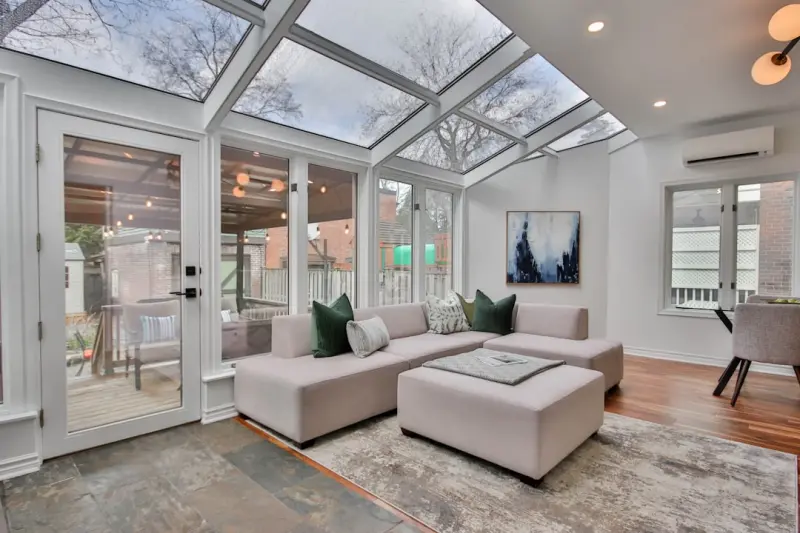
Seeing the Future Through Glass: Why Sunrooms Are the New Business Engine
When I first stood inside a sun‑filled atrium during a conference in downtown Seattle, the experience felt like stepping into a living, breathing spreadsheet. Light poured in, the temperature hovered just right, and the view of the city skyline turned a routine meeting into an unexpected burst of creativity. That moment sparked a question that has guided my work ever since: can we treat the humble sunroom as a strategic asset rather than a decorative afterthought?
From Décor to Data: The Sunroom’s Untapped Potential
Most commercial owners think of sunrooms as a way to add aesthetic value or to give employees a place to sip coffee. Few realize that the same glass envelope that frames the horizon can also become a hub for real‑time data collection, a testbed for energy‑saving technologies, and a platform for new revenue streams.
Imagine a sunroom equipped with light sensors that track solar irradiance throughout the day. That data can be fed into building‑management systems to optimize shading devices, HVAC loads, and lighting levels without ever touching a thermostat. The result? Lower utility bills, reduced carbon footprints, and a tangible metric you can showcase to clients or investors.
Designing for Flexibility: Work, Wellness, and Wow‑Factor
The modern workplace demands spaces that can shift between focused work, collaborative brainstorming, and relaxed networking. A well‑designed sunroom does exactly that:
- Quiet Zones: Soft, natural light reduces eye strain and boosts mood, making the area ideal for deep‑focus tasks.
- Collaboration Corners: Flexible furniture arrangements and movable partitions let teams gather for impromptu meetings.
- Showcase Spaces: For product‑focused companies, a sunroom can serve as a live‑display area where demos benefit from natural illumination.
When you pair these zones with digital twins, you gain a virtual replica of the sunroom that predicts how layout changes will affect occupant flow, daylight distribution, and even acoustics. The digital twin becomes a sandbox for experimenting with new furniture, plant arrangements, or smart glass technologies before any physical alterations are made.
Smart Glass: The Quiet Hero
Traditional glass is a passive element—beautiful, but static. Today’s electrochromic and thermochromic glazing can actively respond to sunlight, tinting to reduce glare in the afternoon and clearing in the morning to maximize daylight. This dynamic behavior does three things:
- Energy Savings: Less reliance on artificial lighting and cooling.
- Employee Comfort: Consistent visual conditions reduce fatigue.
- Brand Storytelling: Demonstrates a commitment to cutting‑edge sustainability.
Integrating smart glass with building‑automation platforms allows facility managers to set performance thresholds—say, “maintain interior illuminance at 500 lux”—and let the glass adjust autonomously. The data logged from these adjustments can be turned into a performance dashboard that quantifies the sunroom’s contribution to overall building efficiency.
Biophilic Boost: Plants, Light, and the Human Brain
Science is increasingly linking exposure to natural light and greenery with heightened cognitive function. By installing vertical gardens or hanging planters in the sunroom, you create a micro‑ecosystem that amplifies the benefits of daylight. The combination of photosynthetic life and filtered sunlight can lower stress hormones, improve concentration, and even stimulate creative problem‑solving.
From a business perspective, this translates into measurable gains: higher employee retention, lower absenteeism, and a stronger employer brand. When you can point to a concrete KPI—like a 12% reduction in sick days after adding a plant‑rich sunroom—your leadership team will take notice.
Revenue Generation: From Rental Space to Event Venue
Many office buildings sit on valuable real estate that remains underutilized. Converting a portion of that footprint into a glass‑enclosed sunroom opens doors (literally) to new income streams:
- Co‑Working Sublets: Offer day‑passes for freelancers who crave natural light.
- Corporate Events: Host product launches, workshops, or client luncheons in a setting that feels upscale yet approachable.
- Wellness Programs: Partner with yoga instructors or wellness coaches to run sunrise classes.
Each of these activities can be tracked with a simple booking system, turning the sunroom into a self‑service revenue engine. The key is to treat the space as a service offering rather than a static amenity.
Integrating with Existing Systems: A Seamless Upgrade
One of the biggest fears when adding a sunroom is the perceived complexity of integrating it with existing building‑management platforms. The reality is far more manageable, especially when you adopt a modular approach:
- Sensor Layer: Install light, temperature, and occupancy sensors that speak standard protocols (BACnet, Modbus, MQTT).
- Control Layer: Use smart shading devices or motorized blinds that can be commanded via the same network.
- Analytics Layer: Feed sensor streams into a cloud‑based analytics platform to generate actionable insights.
This three‑tier architecture mirrors the approach taken in many of our other smart‑building projects, such as the smart sustainable woodworking initiatives that blend IoT sensors into custom furniture. The lesson is clear: once you have a data backbone, adding a sunroom becomes an exercise in extending that backbone, not reinventing it.
Case Study: A Mid‑Size Tech Firm’s Sunroom Turnaround
To illustrate the concept, let’s walk through a recent engagement with a 150‑person tech company located in a historic building. The client wanted to rejuvenate a neglected attic space and considered a traditional enclosed balcony. After a series of workshops, we proposed a sunroom that would serve three core goals:
- Productivity Hub: A quiet zone with adjustable desks and task lighting synchronized to daylight levels.
- Showcase Gallery: A display area for prototypes, illuminated by natural light and augmented with interactive kiosks.
- Revenue Stream: A rentable “Innovation Lab” slot that external startups could book for product demos.
Key technologies deployed:
- Electrochromic glass linked to a digital twin model for predictive shading.
- IoT‑enabled occupancy sensors feeding a dashboard that measured space utilization.
- Integrated plant walls with moisture sensors to maintain optimal health.
Results after six months:
- Average daylight exposure increased by 38%, correlating with a 7% uplift in self‑reported focus scores.
- External bookings generated $12,000 in ancillary revenue.
- Energy consumption for lighting fell by 22% thanks to daylight harvesting.
This case demonstrates that a sunroom, when approached with the same rigor we apply to any smart‑building component, can become a multi‑dimensional asset.
Future‑Proofing: What’s Next for Sunrooms?
Looking ahead, several trends will shape the next generation of sunrooms:
- AI‑Driven Light Management: Machine‑learning models will predict occupancy patterns and adjust shading preemptively, maximizing comfort while minimizing energy use.
- Modular Glazing Panels: Prefabricated, plug‑and‑play glass sections will make retrofitting easier and faster, reducing construction downtime.
- Health‑Centric Sensors: Devices that monitor indoor air quality, UV exposure, and circadian rhythm alignment will help employers fine‑tune the environment for well‑being.
By staying attuned to these developments, facility managers can keep their sunrooms relevant, resilient, and revenue‑generating for years to come.
Getting Started: A Pragmatic Roadmap
If you’re intrigued but unsure where to begin, follow this three‑step roadmap:
- Assess the Space: Conduct a daylight analysis to understand sun paths and shading challenges. Use simple tools like a sun‑path diagram or a smartphone app.
- Define Business Objectives: Decide whether your primary goal is employee wellness, energy savings, revenue generation, or a mix. Quantify targets (e.g., 15% reduction in lighting energy).
- Prototype & Iterate: Start with a pilot—perhaps a small glass enclosure with temporary shading—collect data, refine the design, then scale.
Remember, the sunroom is not a one‑size‑fits‑all solution; it’s a canvas that can be painted with the colors of your organization’s strategic priorities.
Conclusion: Let the Light Lead the Way
Sunrooms have long been relegated to the realm of “nice‑to‑have” décor. By re‑imagining them as data‑rich, flexible, and revenue‑capable spaces, we can unlock a new frontier of commercial value. Whether you’re a facility manager, a CEO looking for ESG wins, or a designer craving innovative challenges, the glass‑walled future is waiting. Embrace the light, embed the tech, and watch your sunroom become a catalyst for growth.

Lifan Chen is a freelancer based in Toronto specializing in marketing. With expertise in crafting effective marketing strategies and campaigns, Lifan helps businesses grow their brand presence and reach target audiences. As a Toronto-based freelancer, Lifan combines local market insights with creative marketing skills to deliver tailored solutions for clients.
Related Posts

Sunroom Strategies: Turning Glass Spaces into Year‑Round Wellness Hubs
A sunroom can be a powerful wellness hub and functional workspace. Learn design fundamentals, tech t... Read More

Sunroom Renaissance: Designing Health‑Focused Hybrid Spaces
A deep dive into creating sunrooms that serve as wellness hubs, remote‑work studios, and sustainab... Read More
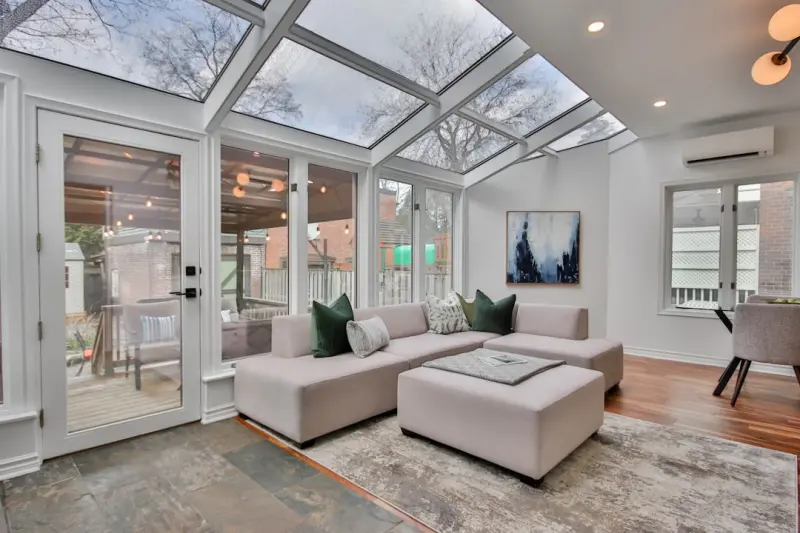
Reimagining the Sunroom: A Passive‑Living Sanctuary for Health, Energy, and Community
A sunroom can be more than a decorative add‑on; by harnessing daylight, passive solar heating, sub... Read More
Top Posts

Wearables on the Jobsite: Turning Safety Data into Competitive Edge
Wearable tech is reshaping construction safety by delivering real‑time alerts, data‑driven insights, and measurable ROI, empowering contractors to protect w...Read More

Eco-Friendly Fencing: A Sustainable Approach to Home Security and Aesthetics
Eco-friendly fencing is a great way to enhance your home's security, aesthetics, and sustainability. Learn about sustainable fencing materials, designs, and mai...Read More
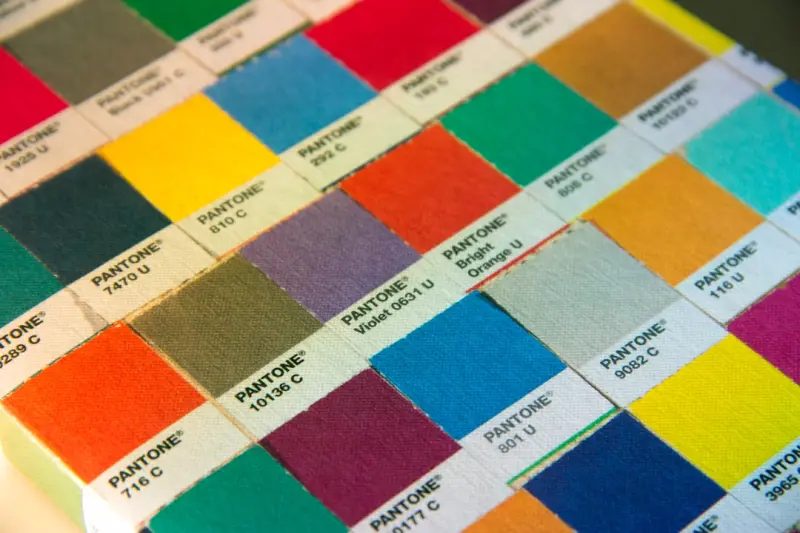
The Color Code: How Modern Paint Choices Can Boost Your Home’s Energy Efficiency and Well‑Being
Explore the science behind paint colors, low‑VOC technologies, and AI‑driven color selection to turn your walls into a low‑cost, high‑impact upgrade tha...Read More
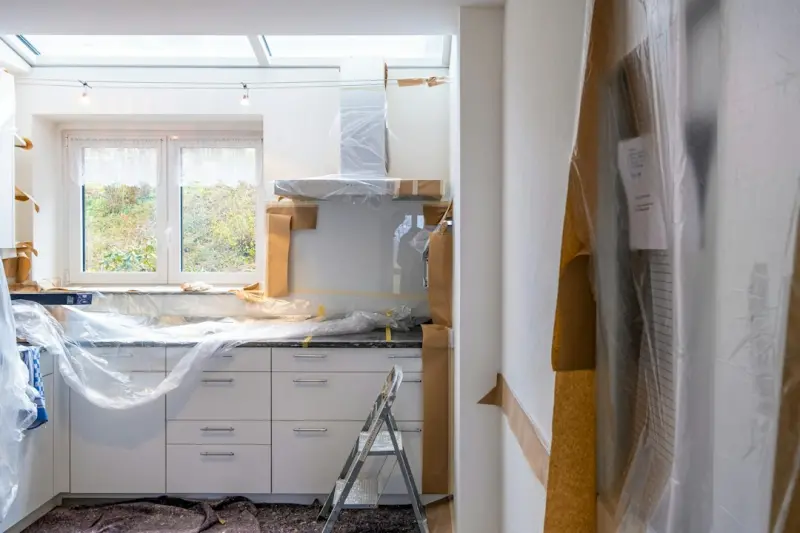
Kitchen Renovations That Stand the Test of Time
A practical guide to building a kitchen that endures, with smart layout choices, durable materials, and forward‑thinking details that keep your space fresh fo...Read More
0 Comments
Post Comment
You will need to Login or Register to comment on this post!