

Why Decks Are Becoming the New Front‑Row Seat to Everyday Life
When the office wall fades into a railing and the coffee machine is replaced by a wind‑kissed espresso station, you’re not just stepping outside—you’re redefining where work, play, and rest intersect. Decks have historically been seasonal hangouts, but today they’re evolving into year‑round platforms that support productivity, wellness, and social connection. The shift is driven by a mix of cultural trends, technological advances, and a deeper appreciation for biophilic design. In this piece, I’ll walk you through the forces reshaping decks and share actionable steps to turn your backyard slab into a dynamic, future‑ready space.
The Outdoor Office Revolution: From “Nice to Have” to “Must Have”
Remote work is no longer a novelty; it’s a permanent fixture for many companies. Yet the traditional home office can feel boxed in, both literally and mentally. A well‑designed deck offers a literal breath of fresh air and a psychological reset that a window‑less room can’t match.
- Natural light amplification – Sunlight boosts serotonin, improves focus, and reduces eye strain. Position your desk near the edge of the deck and angle it to catch the morning sun.
- Acoustic buffering – The combination of wood, gravel, and surrounding foliage creates a gentle soundscape that masks indoor distractions without the need for headphones.
- Movement breaks – A short stroll on a deck‑adjacent path encourages micro‑exercise, which has been shown to enhance cognition and mood.
When you pair these benefits with a few strategic tech upgrades—like weather‑proof power strips and solar‑charged Wi‑Fi extenders—the deck becomes a fully functional office that feels less like a workstation and more like a creative sanctuary.
Materials That Adapt: From Classic Wood to High‑Performance Composites
Choosing the right decking material is the foundation of any long‑term plan. Traditional lumber has charm but demands regular sealing, staining, and inspection for rot. Modern composites and engineered woods provide durability while maintaining a natural aesthetic.
Key considerations:
- Climate resilience – Look for products that resist moisture swelling and UV fading. In humid zones, a composite with a built‑in polymer core will stay dimensionally stable.
- Load capacity – If you intend to support heavy office equipment, select a board that offers a higher moment of inertia. Manufacturers often list a load rating in pounds per square foot.
- Eco‑credibility – Many suppliers now use recycled plastics and reclaimed wood fibers, reducing the carbon footprint of your deck build.
Beyond the material itself, the substructure matters. A well‑engineered joist system ensures that the deck can bear dynamic loads—think a group yoga session or a pop‑up market stall—without sagging over time.
Integrating Light and Power Seamlessly
Lighting is more than illumination; it’s a tool for mood, safety, and energy efficiency. Instead of stringing up cheap holiday lights, consider layered lighting solutions that can be dimmed or brightened on demand.
- Ambient LEDs – Recessed, low‑profile LED strips can be installed along the railing or under the deck boards to create a soft glow that highlights the floor without glare.
- Task lighting – Adjustable spotlights over a desk or workbench provide focused illumination for reading documents or tinkering with prototypes.
- Solar‑powered options – Small photovoltaic panels mounted on the deck’s perimeter can trickle‑charge battery packs that feed both lights and low‑power devices, reducing reliance on the grid.
Power distribution should follow outdoor‑rated standards. A guide to practical lighting tips can help you select fixtures that balance comfort, mood, and savings while staying compliant with code.
Water Management Without Sacrificing Aesthetics
A common oversight in deck design is neglecting drainage. Standing water accelerates rot, attracts insects, and can lead to slip hazards. Incorporating subtle grading, weep holes, and a concealed French drain beneath the deck surface directs water away without detracting from visual appeal.
For those who want a more sophisticated solution, consider integrating a foundation fix blueprint that addresses underlying soil movement while providing a stable, level platform for your deck.
Maintenance Made Simple: A Routine That Takes Minutes
One of the biggest myths about decks is that they require endless upkeep. In reality, a consistent, low‑time‑investment routine can keep your deck looking fresh for decades.
- Quarterly sweep – Remove debris, leaves, and dust to prevent moisture retention.
- Seasonal seal – Apply a protective coat (water‑based for composites, oil‑based for wood) at the start of spring and fall.
- Inspection checklist – Look for loose fasteners, cracked boards, or signs of insect activity. Addressing small issues early prevents costly repairs later.
By treating maintenance as a habit rather than a project, you preserve the deck’s structural integrity and aesthetic charm without the dread of a massive overhaul.
Case Study: A Multi‑Purpose Deck Transformation
Let’s walk through a real‑world example of a suburban home that turned a simple patio into a versatile hub.
- Goal setting – The homeowners wanted a space for remote work, weekend gatherings, and a small garden.
- Design phase – A modular layout was chosen, featuring a 12‑by‑20‑foot deck of high‑performance composite boards, a retractable pergola for shade, and a built‑in planter box along the railing.
- Tech integration – Solar LED strips were installed under the railing, a weather‑proof power hub was mounted near the deck’s edge, and a Wi‑Fi mesh node was added for consistent connectivity.
- Execution – The deck was built on a pressure‑treated joist system with concealed drainage channels that feed into the existing yard’s French drain.
- Result – Within weeks, the family reported a 30% increase in daily productivity, and the deck quickly became the go‑to spot for birthday celebrations and evening yoga.
This transformation illustrates how thoughtful material selection, smart integration of utilities, and a clear usage plan can yield a deck that serves multiple roles without compromise.
Future‑Proofing: Anticipating Trends and Technology
While today’s decks are already impressive, the next wave of innovation promises even greater interactivity and sustainability.
- Embedded sensors – Tiny humidity and load sensors can alert you via smartphone if moisture levels rise or if the deck is bearing more weight than designed.
- Dynamic shading – Motorized louvers that adjust based on sun angle can optimize daylight while reducing heat gain.
- Integrated charging surfaces – Wireless charging pads can be embedded into the decking material, allowing you to power phones and tablets simply by placing them on the surface.
Adopting these technologies early can give your deck a longevity advantage, ensuring it stays relevant as lifestyle needs evolve.
Getting Started: Your Deck Blueprint in 5 Steps
Ready to bring this vision to life? Follow these five steps to create a roadmap that aligns with your goals and budget.
- Define primary functions – List the activities you expect to host (work, dining, gardening, entertaining).
- Assess site conditions – Evaluate sunlight patterns, wind exposure, and existing drainage.
- Choose materials – Balance aesthetics, durability, and sustainability based on the climate and usage.
- Plan utilities – Map out lighting, power, and water management early to avoid costly retrofits.
- Set a maintenance schedule – Draft a simple checklist that can be completed in under an hour each month.
With this framework, you’ll avoid common pitfalls and create a deck that feels intentional, functional, and inviting.
Conclusion: Decks as the New Centerpiece of Home Life
Decks are no longer an afterthought; they’re a central stage where work meets leisure, where technology meets nature, and where everyday moments become memorable. By embracing adaptable materials, intelligent lighting, and forward‑thinking tech, you can craft a deck that not only meets today’s demands but also anticipates tomorrow’s possibilities. The investment pays off in productivity gains, wellness benefits, and the sheer joy of having a versatile outdoor haven at your doorstep.

David MacKinnon is a dynamic freelance writer known for his captivating storytelling and keen insights into the world of technology. With a passion for exploring the intersection of innovation and everyday life, he crafts engaging narratives that not only inform but also inspire his readers.
Related Posts
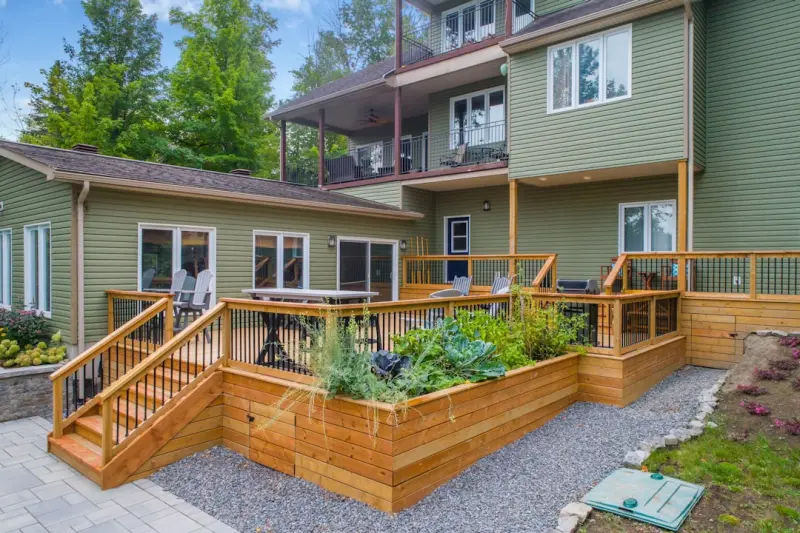
Designing a Year‑Round, Multi‑Functional Deck That Works for Everyone
Learn to transform a basic deck into a year‑round, multi‑functional outdoor living space with du... Read More
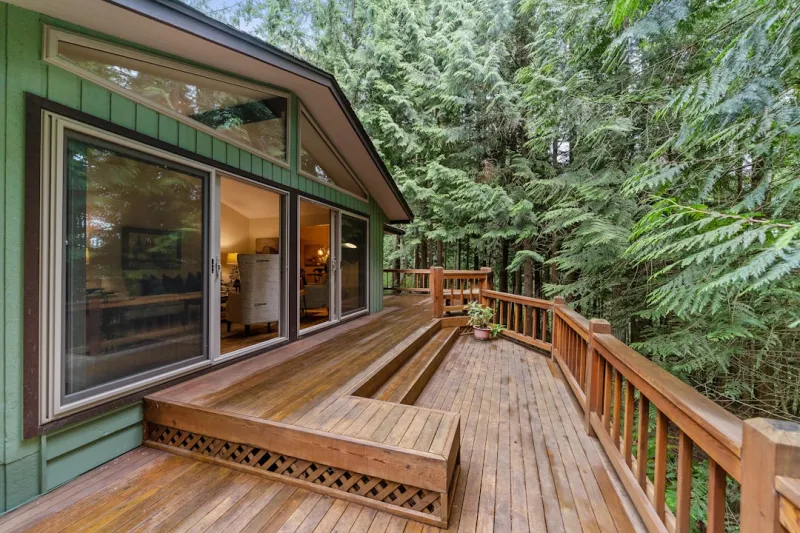
Designing a Sustainable Deck That Becomes Your Year‑Round Sanctuary
A personal guide to creating a sustainable, versatile deck that blends comfort, style, and eco‑fri... Read More
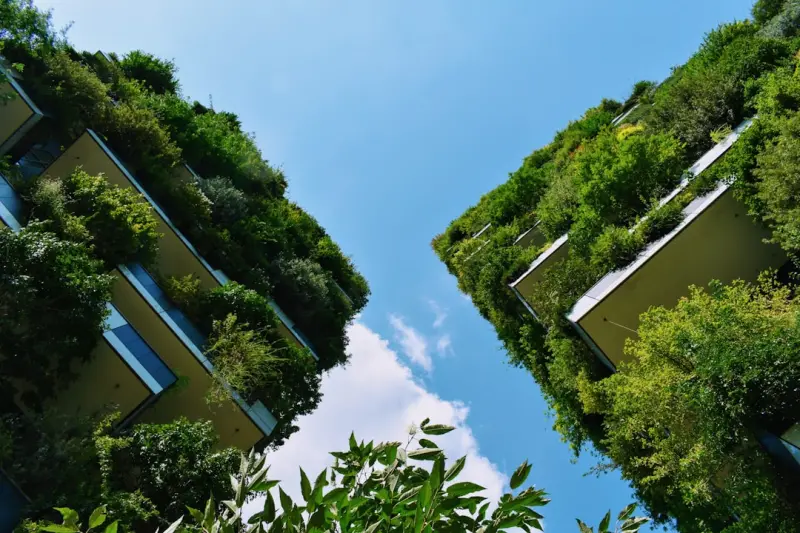
Intelligent Decks: Merging Tech, Sustainability, and Wellness
A modern deck can be more than a summer hangout—it can be an intelligent, eco‑friendly hub that ... Read More
Top Posts

Unlocking Hidden Savings: The Human Side of Energy Inspection
Learn why the biggest energy leaks are often in daily habits, not walls, and how a modern inspection can turn hidden waste into real savings....Read More
The Strategic Edge of Bathtub Refinishing for Property Managers
Bathtub refinishing isn’t just a cosmetic fix—it’s a cost‑saving, eco‑friendly strategy that improves tenant satisfaction and boosts property ROI. Lea...Read More

The Hidden Health Benefits of a Science‑Based Carpet Cleaning Routine
Learn why treating carpet care as a health strategy, not just a visual task, can transform indoor air quality, reduce allergens, and protect your family’s wel...Read More
The Ultimate Renovation Checklist: A Step-by-Step Guide
A comprehensive renovation checklist is essential to ensure that your project stays on track, within budget, and meets your expectations. Learn from a seasoned ...Read More
0 Comments
Post Comment
You will need to Login or Register to comment on this post!