
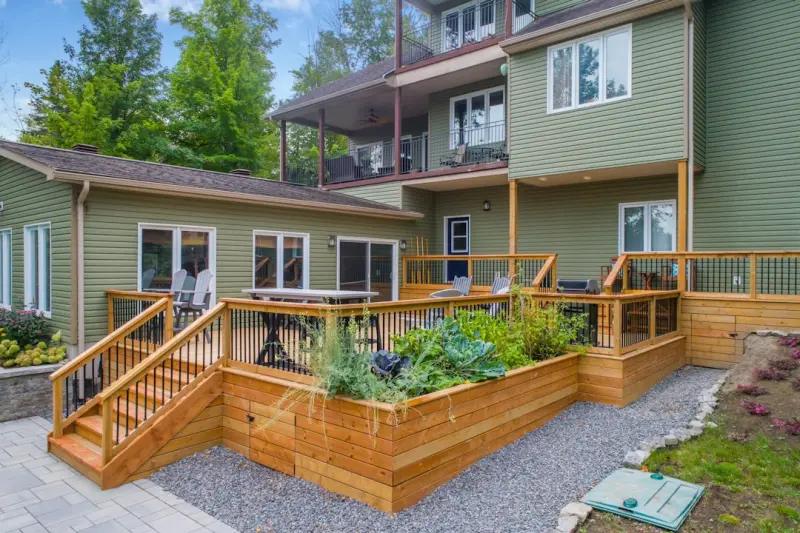
Rethinking the Backyard: Why Your Deck Needs a Multi‑Function Makeover
Most homeowners think of a deck as a simple platform for summer barbecues, but the reality is that a well‑designed deck can become a year‑round living room, an outdoor office, and even a pet playground—all while boosting curb appeal and property value. The secret lies in treating the deck as an extension of your interior space, not just an afterthought of concrete and wood. By integrating climate‑responsive features, smart technology, and purposeful storage, you create a versatile stage that adapts to family gatherings, quiet mornings, and late‑night movie nights without the need for costly remodels later. In this guide, I’ll walk you through the strategic decisions that turn a plain slab into a dynamic, resilient outdoor hub that works for every season and every member of the household.
Selecting Materials That Stand the Test of Time (And Weather)
When it comes to decking, the material you choose sets the tone for durability, maintenance, and aesthetics, so it’s worth digging into the pros and cons of each option before committing. Pressure‑treated lumber remains budget‑friendly but can warp over time, while composite boards offer low‑maintenance appeal at a higher upfront cost; however, newer creative concrete solutions blend the strength of concrete with textured finishes that mimic wood, providing an ultra‑stable foundation resistant to rot, insects, and fire. For those craving a natural feel, sustainably harvested hardwoods such as ipe or teak deliver unmatched grain richness and longevity, provided you seal them regularly. Pairing a sturdy base material with a slip‑resistant surface finish ensures safety in rain or snow, and selecting UV‑inhibited composites helps retain color vibrancy for years, reducing the need for costly repainting or staining down the line.
Designing for Multi‑Season Comfort: Heat, Cool, and Everything In‑Between
While a deck feels inviting under a bright summer sun, the same space can become uncomfortable during chilly evenings or sweltering heat waves unless you incorporate thoughtful climate‑control elements. Installing radiant deck heating cables beneath the surface creates a gentle, even warmth that melts snow and extends outdoor usability into the colder months without bulky fire pits or propane heaters. Conversely, integrating adjustable shade structures—such as shade‑smart awnings—provides on‑demand shelter from UV rays, lowers deck surface temperature, and reduces the reliance on interior air‑conditioning when you’re entertaining on a hot afternoon. Pair these with strategically placed breezeways or perforated railings to promote natural airflow, and consider installing a retractable pergola equipped with motorized louvre panels for fine‑tuned ventilation that adapts to changing weather conditions throughout the day.
Smart Lighting and Tech Integration: Turning Your Deck into a Night‑Time Oasis
Modern decks are no longer limited to string lights and lanterns; they can now feature integrated smart lighting systems that respond to motion, time of day, and even voice commands, creating an immersive ambience with minimal effort. LED strip lights concealed within stair risers and railings provide subtle illumination for safety while allowing you to set scenes—bright white for a lively dinner party, warm amber for a relaxed movie night, or color‑changing hues for festive celebrations. Adding weather‑proof power outlets and USB charging stations enables you to power outdoor speakers, projectors, or even a compact office setup, turning the deck into an outdoor coworking space when inspiration strikes. Pair these upgrades with a central hub that syncs lights, music, and heating, allowing you to control the entire environment from your smartphone, ensuring the deck feels just as comfortable and functional after sunset as it does at midday.
Built‑In Storage and Functional Features: Maximizing Space Without Clutter
One of the biggest challenges of outdoor living is keeping the area tidy while still having everything you need at hand, and the solution lies in clever, built‑in storage that blends seamlessly with the deck’s design. Concealed benches with lift‑top compartments provide seating plus hidden bins for cushions, gardening tools, or seasonal décor, while low‑profile cabinets can house grilling accessories, pool toys, or even a mini‑fridge for easy beverage service. Incorporating a built‑in planter box along the perimeter adds greenery without sacrificing floor space, and a recessed fire pit or built‑in grill becomes a focal point that doubles as a cooking station and a cozy gathering spot. By integrating these multifunctional elements, you eliminate the need for additional freestanding furniture, maintain a clean aesthetic, and create a deck that feels purposeful rather than cluttered.
Pet‑Friendly Deck Design: Comfort and Safety for Four‑Legged Family Members
For many households, pets are an integral part of the family, and a deck should be designed with their needs in mind to ensure everyone can enjoy the space together. Choose slip‑resistant decking materials—such as textured composite boards or textured concrete—to prevent paws from slipping on wet surfaces, and install low‑profile fencing or rail extensions that keep curious animals safely within bounds without obstructing views. Adding a dedicated pet lounge area with a weather‑proof, easy‑clean cushion or a shallow water station encourages your dog to relax outdoors while staying hydrated during hot days. Consider using non‑toxic, plant‑based sealants and avoiding treated wood chemicals that could harm sensitive noses. By thoughtfully incorporating these pet‑centric features, you create an inclusive environment that reduces wear on the deck and eliminates the need for constant supervision.
Acoustic Solutions: Crafting a Sound‑Friendly Backyard for Entertainment
Outdoor gatherings often involve music, conversation, and sometimes a home theater setup, yet hard deck surfaces can amplify noise, causing sound to bounce wildly and disturb neighbors. Introducing acoustic underlays beneath the decking—such as rubberized mats or cork panels—helps absorb vibrations, reducing echo and creating a more balanced audio environment. Pair this with strategically placed outdoor speakers that direct sound downward, and consider installing a low, perforated sound‑diffusing panel behind the seating area to further tame reflections. Additionally, planting dense hedges or installing a decorative lattice wall can act as natural sound barriers while adding visual interest. By addressing acoustics early in the design phase, you ensure that your deck becomes a pleasant venue for music lovers, movie nights, and lively conversations without the unwanted reverberation that can mar the experience.
Maintenance Strategies That Save Time and Money
Even the most durable deck will benefit from a proactive maintenance plan, and establishing a routine early can prevent costly repairs down the line. Start by conducting a seasonal deck inspection checklist to identify loose fasteners, surface cracks, or water pooling that could compromise structural integrity. Clean debris and mold with a gentle pressure wash, then reapply a protective sealant or UV‑blocking finish every two to three years, depending on material. For composite decks, a simple soap‑and‑water rinse is often sufficient, while wood decks may require periodic sanding and oiling to maintain their natural luster. Installing a drainage system—such as a slight slope away from the house or discreet channel drains—prevents water buildup, extending the life of both the deck and the underlying joists. By following these straightforward steps, you preserve the deck’s beauty, safety, and functionality for years to come.
Turning Vision Into Reality: Your Next Steps Toward an All‑Season Deck
Now that you understand the key components of a truly versatile deck—durable materials, climate‑responsive design, smart tech, functional storage, pet‑centric features, acoustic treatment, and a solid maintenance regimen—the next step is to translate these ideas into a concrete plan. Start by sketching a layout that reflects how you and your family use outdoor space throughout the day and year, then consult with a reputable contractor who can advise on material options and local building codes. Remember to budget for both the initial build and the ongoing upkeep, and don’t hesitate to incorporate the smart lighting and heating solutions that will future‑proof your investment. With thoughtful design and diligent care, your deck will evolve from a seasonal patio into a beloved, year‑round extension of your home that welcomes friends, family, and furry companions alike.

Craig Brett is a freelancer with a passion for the outdoors. His love for nature inspires his work, bringing authentic and engaging perspectives to projects related to outdoor activities, adventure, and environmental topics.
Related Posts
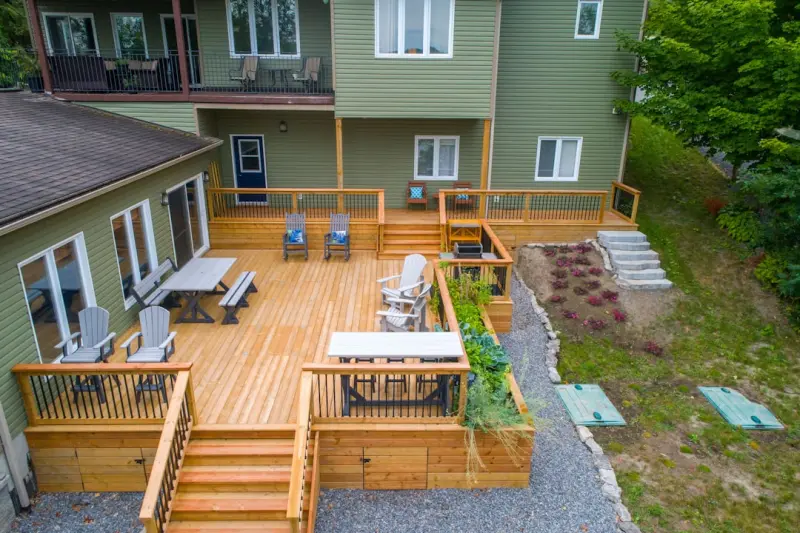
Future‑Ready Decks: Designing Low‑Maintenance, Climate‑Adaptive Outdoor Spaces
A fresh look at deck design that combines sustainable materials, modular layouts, smart sensors, and... Read More
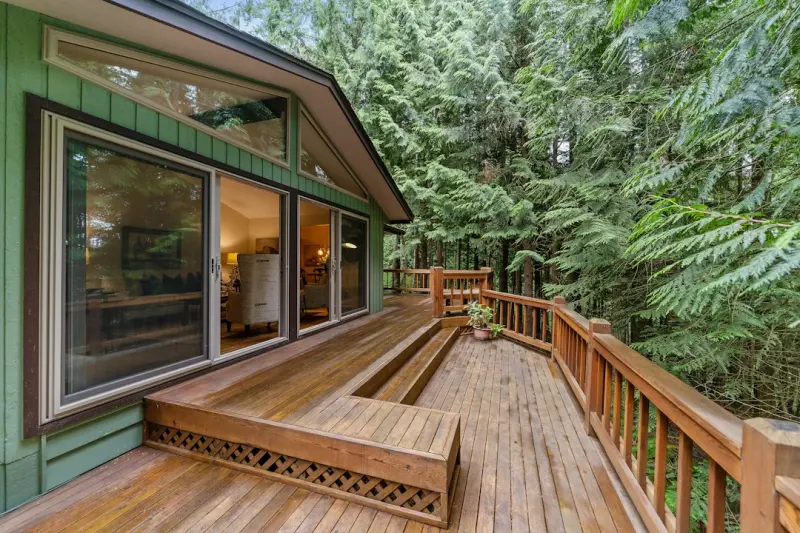
Decks as Experiential Brand Stages: Turning Outdoor Spaces into Marketing Powerhouses
Explore the fresh perspective of using outdoor decks as immersive brand platforms, combining design,... Read More

Revitalizing Outdoor Living: The Smart, Sustainable Deck Transformation
Discover the secrets to creating a smart, sustainable deck that acts as an outdoor living room—fea... Read More
Top Posts

Beyond the Spot: A Scientific Approach to Mold Removal
A data‑centric workflow transforms mold removal from a reactive clean‑up into a proactive, health‑focused strategy, using low‑cost sensors, smart materi...Read More

Reimagining the Garage: From Car Shelter to Home Power Hub
Discover practical steps to upgrade your garage into a versatile space that supports electric‑vehicle charging, home office work, and a resilient workshop, al...Read More

Adaptive Waterproofing: Turning Barriers Into Living Defenses
Traditional waterproofing is static; adaptive waterproofing uses smart membranes with sensors and actuation layers to detect and respond to water in real time, ...Read More

Weathering the Storm: A Comprehensive Guide to Home Weather Proofing
Weather proofing your home is crucial for protecting your investment, preventing costly repairs, and maintaining a safe and comfortable living environment. Lear...Read More
0 Comments
Post Comment
You will need to Login or Register to comment on this post!