
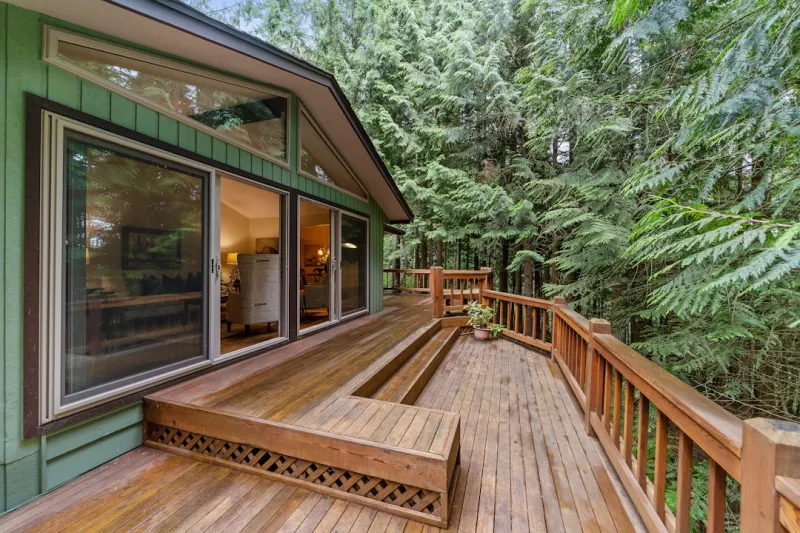
Why a Deck Is More Than Just a Platform
When I first imagined the perfect backyard retreat, I realized that a deck isn’t merely a wooden platform for barbecues—it’s an extension of the home’s personality, a stage for sunrise coffees, sunset cocktails, and spontaneous family gatherings that blur the line between indoor comfort and outdoor freedom, and that realization has guided every decision I’ve made during the build.
Every nail, joist, and rail tells a story about the climate we live in, the activities we cherish, and the sustainable values we aim to embody, so I approached the project not as a simple construction task but as an opportunity to weave durability, aesthetics, and eco‑consciousness into a seamless outdoor living experience that feels as inviting as a living room but breathes fresh air.
In the end, the deck became a canvas for my creative impulses, a place where I could experiment with textures, lighting, and seasonal décor while still honoring the core principle that outdoor spaces should serve the people who use them, and that philosophy continues to shape the way I maintain and upgrade my sanctuary.
Choosing Sustainable Materials
My research led me to prioritize responsibly sourced hardwoods like FSC‑certified teak and reclaimed pine, because these options not only provide the natural grain beauty that makes a deck feel warm underfoot but also reduce the demand for newly harvested timber, thereby protecting forests and supporting a circular economy that aligns with my environmental ethos.
In addition to wood, I explored composite decking made from recycled plastic and wood fibers, which offers superior resistance to rot, splintering, and insect damage, meaning fewer replacements over time, and while the upfront cost is higher, the long‑term savings on maintenance and the lower carbon footprint make it a compelling choice for anyone who wants a deck that ages gracefully without sacrificing the planet.
To further minimize impact, I selected non‑toxic, low‑VOC finishes that protect the surface while allowing it to breathe, and I made sure the fasteners were stainless steel or coated with a corrosion‑resistant alloy, because every small decision—down to the type of screw—adds up to a more sustainable, durable structure that stands the test of time.
Designing for All Seasons
Because my climate swings from hot, humid summers to chilly, damp winters, I designed the deck with flexibility in mind, incorporating a slightly elevated platform to promote airflow beneath the boards, which helps prevent moisture buildup that can lead to warping, and I added a modest overhang that provides shade during peak sun while still allowing the sky to be visible for stargazing nights.
Strategic placement of planters with drought‑tolerant native species creates a natural windbreak, reducing the chill factor on breezy evenings, while the use of a pergola with adjustable louvers lets me fine‑tune the amount of sunlight that filters through, ensuring the space remains comfortable year‑round without relying on energy‑intensive heating or cooling systems.
To tie the outdoor area seamlessly to the interior, I aligned the deck’s railing height and flooring color palette with the interior hardwood floors, creating a visual flow that makes the transition from living room to deck feel natural, and this continuity encourages me to spend more time outside, regardless of the season.
Integrating Comfort Features
One of the most rewarding upgrades I added was an under‑deck radiant heating system, a solution I first discovered while reading about Radiant Floor Heating: A Cozy, Sustainable Upgrade for Modern Homes, because the gentle, evenly distributed warmth eliminates cold spots and allows me to enjoy early morning coffee on the deck without bundling up in heavy coats.
The system runs on low‑temperature hot water circulated through flexible tubing embedded beneath the joists, which connects to my existing boiler, making it an energy‑efficient addition that leverages waste heat and reduces the need for portable electric heaters that often draw high electricity rates.
Coupled with plush, weather‑resistant outdoor rugs and modular seating cushions that are easy to store when not in use, the heated deck becomes a versatile gathering spot that invites friends to linger longer, turning what could be a brief coffee break into a relaxed conversation hub that feels as cozy as any indoor nook.
Weatherproofing Your Outdoor Oasis
To safeguard the deck against the unpredictable elements, I applied a series of weatherproofing strategies that I originally explored in Weather‑Proof Your Home: Proven Strategies for Comfort and Savings, such as sealing all joints with a high‑quality marine‑grade silicone caulk, which prevents water infiltration that could compromise the structural integrity over time.
In addition, I installed a hidden gutter system along the perimeter of the deck’s roof extension to divert rainwater away from the wood, and I chose a deck board profile with a tapered edge that sheds water quickly, reducing the likelihood of standing moisture that encourages mold growth or splintering.
Finally, I incorporated a series of removable, UV‑resistant shade sails that provide flexible protection from sun and rain, allowing me to adapt the space instantly based on the forecast, and this modular approach ensures the deck remains a year‑round sanctuary without the need for costly permanent enclosures.
Lighting and Ambiance
Lighting plays a pivotal role in transforming a deck from a daytime patio to a magical evening venue, so I layered illumination by installing low‑voltage LED strip lights hidden within the railing, which cast a soft glow that highlights the deck’s contours without glaring, and I complemented this with solar‑powered bollard lights that charge during the day and provide gentle, sustainable illumination after dusk.
For moments when I want to focus attention on specific areas—like the dining table or a reading nook—I added discreet, dimmable recessed fixtures that can be controlled via a smart home app, allowing me to set the perfect mood with just a tap, and because LEDs consume minimal power, the lighting remains eco‑friendly and cost‑effective.
To finish the ambiance, I draped warm, weather‑resistant string lights across the pergola, creating a canopy of twinkling stars that invites guests to linger, and the combination of functional and decorative lighting ensures the deck feels welcoming from sunrise to the late hours of the night.
Multi‑Functional Zones
Understanding that a deck can serve multiple purposes, I divided the space into distinct zones—an outdoor kitchen with a built‑in grill, a lounge area featuring a deep, cushioned sectional, and a quiet corner equipped with a hammock and a small bookshelf—each designed to accommodate a specific activity while maintaining a cohesive overall aesthetic.
To illustrate the versatility of these zones, I referenced my experience in Transforming My Backyard: A Sustainable Landscaping Journey, where I learned the importance of using natural stone pathways and planting beds to delineate areas without erecting hard barriers, thereby preserving the open feel of the deck while providing subtle guidance for foot traffic.
By selecting modular furniture that can be easily reconfigured, I ensure that the deck can adapt to anything from an intimate dinner for two to a lively weekend brunch for a crowd, and this flexibility reduces the need for multiple separate structures, streamlining maintenance and preserving the deck’s elegant simplicity.
Maintenance Made Easy
Keeping a deck in pristine condition doesn’t have to be a labor‑intensive chore; I established a routine that involves sweeping debris off the surface weekly, spot‑cleaning stains with a gentle, biodegradable cleaner, and performing a deep clean with a soft‑bristle brush and a pressure washer set to a low PSI setting twice a year, which removes accumulated grime without damaging the wood fibers.
In addition, I apply a semi‑transparent, water‑repellent sealant every 12 to 18 months, a practice I adopted after reading about sustainable maintenance techniques that extend the lifespan of wooden decks while reducing the frequency of full refinishing projects, and this protective layer helps repel moisture and UV rays, preserving the deck’s natural color and strength.
Finally, I conduct a quarterly inspection of all fasteners, railing connections, and the under‑deck drainage system, tightening any loose screws and clearing debris from the hidden gutters to ensure water flows freely, because proactive maintenance catches small issues before they become costly repairs.
Budget‑Friendly Upgrades
While my deck project featured high‑end materials and smart features, I also incorporated several cost‑saving strategies that anyone can emulate, such as repurposing reclaimed pallets for a rustic side table, sourcing discounted composite decking remnants from local suppliers for accent strips, and using reclaimed brick pavers for a charming fire pit border, all of which add character without breaking the bank.
Another savvy approach I employed was taking advantage of seasonal sales for LED lighting fixtures and outdoor furniture, allowing me to secure premium items at a fraction of the retail price, and I paired these purchases with DIY installation guides, which not only reduced labor costs but also gave me a deeper connection to the space I created.
Lastly, I integrated energy‑efficient features like solar‑powered string lights and motion‑sensor floodlights, which eliminate ongoing electricity expenses and align with my broader goal of creating a sustainable, low‑maintenance outdoor haven that delivers both aesthetic pleasure and financial prudence.
My Deck Journey: Lessons Learned
Reflecting on the entire process, I’ve realized that the most valuable lessons came from the moments when I paused to consider the long‑term impact of each decision—whether it was choosing a low‑VOC finish, installing an unobtrusive drainage system, or selecting a modular seating layout that could evolve with my family’s needs, each choice reinforced the principle that thoughtful design pays dividends in durability and enjoyment.
One unexpected insight was the role of surrounding elements, such as the fence that frames the deck; after reading Fencing Trends: How Sustainable Design Is Redefining Outdoor Spaces, I opted for a living fence of native shrubs that not only provides privacy but also enhances biodiversity, proving that the deck’s environment can be as much a part of the design story as the deck itself.
Ultimately, the deck has become a living laboratory where I test new sustainable technologies, host community gatherings, and find quiet moments of reflection, and I hope my experience inspires others to approach their own outdoor projects with curiosity, creativity, and a commitment to building spaces that nurture both people and the planet.

When it comes to the world of blogging and writing, Rose DesRochers is a name that stands out. Her passion for creating quality content and connecting with her audience has made her a trusted voice in the industry. Aside from her skills as a writer and blogger, Rose is also known for her compassionate nature.
Related Posts
Beyond the Boards: Turning Your Deck into a Living Extension of Home
Learn innovative strategies to turn a simple deck into a flexible, tech‑savvy, and sustainable ext... Read More
Decked Out: Crafting the Ultimate Outdoor Living Space for Your Home
Discover how to craft the ultimate outdoor living space with a modern deck. William Roy shares insig... Read More
The Evolution of Decking: How Sustainable Practices Are Changing the Game
The decking industry has undergone a significant transformation, with a growing emphasis on eco-frie... Read More
Top Posts

The Power of Paint: How Sustainable Home Painting Can Transform Your Space
Sustainable home painting is a great way to transform your space while reducing your environmental impact. Learn how to choose eco-friendly paints, prepare your...Read More

Mastering Gutters: Sustainable Strategies for Home Longevity
A veteran contractor shares practical, sustainable gutter strategies—from material choices to maintenance routines—helping you protect your home, save money...Read More

The Silent Menace: A Comprehensive Guide to Mold Removal and Prevention
Mold is a silent threat to your home and health. This guide from Lifan Chen breaks down everything from identification and safe removal techniques to essential ...Read More

Beyond the Backyard: Adding a Multi-Generational Wing That Grows With Your Family
A multi‑generational wing offers independent yet connected living, blending privacy, accessibility, and future‑proof design to support aging parents, adult ...Read More
0 Comments
Post Comment
You will need to Login or Register to comment on this post!