
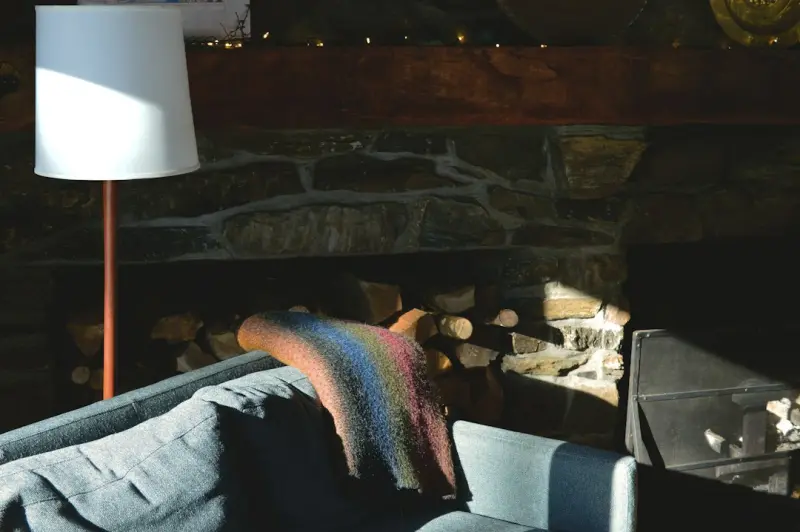
When I first walked into my newly renovated apartment, the first thing that caught my eye wasn’t the sleek countertops or the polished floors—it was the way light danced across every room. As someone who’s spent countless evenings tinkering with fixtures, testing bulbs, and swapping shades, I’ve learned that lighting is the unsung hero of home comfort. It shapes mood, sharpens focus, and even trims the energy bill without you noticing. Below, I’m sharing my go‑to strategies for turning ordinary illumination into a powerhouse of wellbeing, productivity, and savings.
1. Map Your Light Zones Like a Pro
Before you dash to the hardware store, take a step back and view your home as a collection of zones, each with its own purpose. A kitchen needs crisp, task‑oriented light for chopping and reading recipes, while a living room thrives on softer, layered illumination for relaxation and conversation. Start by sketching a quick floor plan and color‑coding each area:
- Task zones – bright, focused light (e.g., workbench, desk, vanity).
- Ambient zones – gentle, overall illumination for general comfort.
- Accent zones – spotlights or LED strips that highlight artwork, shelves, or architectural features.
By categorizing spaces, you’ll avoid the common mistake of “one‑size‑fits‑all” lighting, which often leads to glare in the kitchen and gloom in the bedroom.
2. Harness Natural Light Before Turning on the Switch
Sunlight is free, abundant, and mood‑boosting. Yet many homes waste it behind heavy drapes or dark window frames. Here’s how to coax more daylight into your daily life:
- Trim window coverings – Opt for sheer panels or light‑filtering blinds that let sunshine filter in while maintaining privacy.
- Mirror magic – Position a large mirror opposite a window to bounce light deeper into the room, especially useful in narrow hallways.
- Strategic furniture placement – Keep tall bookshelves and large sofas away from windows to prevent shadows and allow light to flow.
- Seasonal adjustments – Rotate decorative elements (like tall plants) to keep pathways clear for the low winter sun.
By maximizing natural light, you’ll automatically lower your reliance on artificial fixtures, which translates to a thinner electricity bill and a happier circadian rhythm.
3. Choose the Right Bulb for Every Task
LED technology has exploded in the past few years, offering a spectrum of color temperatures measured in Kelvins (K). Here’s a quick cheat sheet:
- 2700‑3000 K – Warm, amber light perfect for living rooms, bedrooms, and dining areas. It creates a cozy, intimate vibe.
- 3500‑4100 K – Neutral white, ideal for kitchens, bathrooms, and home offices where clarity is key.
- 5000‑6500 K – Daylight or “cool white,” best for detailed tasks like sewing, reading fine print, or crafting.
When swapping bulbs, look for the ENERGY STAR label and a lumen rating that matches the space’s size. A 800‑lumens bulb in a 10‑square‑foot reading nook will feel too harsh, while the same bulb in a 200‑square‑foot living area might be just right.
4. Layer Light for Depth and Flexibility
Think of lighting as a three‑part symphony: ambient, task, and accent. When you layer these elements, you gain control over the room’s mood at the flick of a switch. Here’s a simple layering formula:
- Ambient base – Install recessed LEDs or a central chandelier with dimmable capability. Set the baseline at 30‑40% of your total lighting capacity.
- Task boost – Add under‑cabinet strips in the kitchen, a swing arm lamp at your desk, or vanity lights in the bathroom. These should be bright enough to eliminate shadows on work surfaces.
- Accent sparkle – Use directional spotlights to highlight a gallery wall, a built‑in bookshelf, or a decorative sculpture. Accent lighting adds visual interest without overwhelming the senses.
When you install a dimmer for your ambient fixtures, you instantly gain the ability to shift from “focus mode” (bright and crisp) to “relax mode” (soft and warm) without juggling multiple switches.
5. Smart Controls: The Quiet Revolution in Light Management
If you think “smart home” is only about thermostats and voice assistants, think again. Modern lighting controls let you automate schedules, respond to daylight levels, and even sync with your music playlist. Below are my top three budget‑friendly upgrades:
- Wireless dimmer switches – Replace a traditional toggle with a battery‑free dimmer that slides into an existing wall box. No rewiring required.
- Motion‑activated night lights – Ideal for hallways and bathrooms, these tiny LEDs turn on only when they detect movement, saving energy while preventing midnight stumbles.
- Smart bulbs with sunrise/sunset presets – Program your bedroom lights to gradually brighten in the morning, mimicking a natural sunrise, and dim gradually at night to support sleep cycles.
These tools aren’t just convenient; they also help you stay on top of energy consumption. For a deeper dive into how collaborative design tools can streamline home upgrades, check out our recent feature on adaptive architecture.
6. Color Temperature and Mood: The Science Behind the Glow
It’s not just about brightness—color temperature affects how we feel. Warm light (lower Kelvin) triggers the release of melatonin later in the evening, encouraging relaxation. Cooler light (higher Kelvin) stimulates alertness and can boost productivity. By pairing the right temperature with the right time of day, you can fine‑tune your home’s ambience:
- Morning routine – Use cooler bulbs in the kitchen and bathroom to help you wake up.
- Mid‑day work – Keep your office illuminated with neutral white light for sustained focus.
- Evening unwind – Switch living room and bedroom fixtures to warm tones and dim them to 30‑40% of full brightness.
This simple switch can make a noticeable difference in your energy levels and even your sleep quality.
7. Light‑Reflective Surfaces: Amplify What You Already Have
Sometimes you don’t need more fixtures; you need smarter surfaces. Light‑reflective paints, glossy tiles, and metallic décor act like secondary mirrors, bouncing light deeper into rooms. Consider these upgrades:
- High‑gloss paint on one accent wall can reflect up to 30% more light than matte finishes.
- Polished concrete or marble flooring in entryways adds a subtle shine that guides light.
- Metallic picture frames or decorative trays scatter ambient glow, creating a dynamic visual texture.
These touches are especially useful in basements or interior rooms where natural light is limited.
8. DIY Light Projects That Won’t Break the Bank
Feeling crafty? Here are three quick projects that add personality while enhancing illumination:
- Jar pendant lights – Clean glass jars, a simple cord, and a low‑watt LED bulb create a rustic pendant perfect for a kitchen island.
- LED under‑cabinet strips – Peel‑and‑stick strips with remote control dimming give you task lighting without drilling holes.
- Floor lamp made from reclaimed wood – Repurpose an old wooden crate, attach a lamp kit, and you have a statement piece that adds warm, diffuse light.
These projects not only save money but also let you infuse your personal style into the lighting design.
9. Maintenance Matters: Keep Your Light Shining Bright
Even the best fixtures lose efficiency over time. Dusty covers and aged bulbs can reduce output by up to 20%. Schedule a quarterly “light audit”:
- Wipe down fixtures with a microfiber cloth to remove dust buildup.
- Check bulb lifespan – Replace any LED that has dimmed noticeably, even if it’s still within its rated hours.
- Inspect wiring – Look for signs of wear or flickering, which may indicate a loose connection.
For an even more thorough approach, read our guide on budget-friendly soundproofing—many of the same techniques help reduce vibrations that can affect light fixtures.
10. Future‑Proofing Your Lighting Strategy
Home lighting trends evolve, but a solid foundation will keep you ahead of the curve. Here are three forward‑thinking steps:
- Modular fixtures – Choose lights that allow you to swap heads or change color temperature without replacing the entire unit.
- Wire‑less power hubs – These hubs let you add or relocate lights without running new wiring, perfect for renters or frequent remodelers.
- Integration with home‑energy dashboards – Pair your smart bulbs with a monitoring platform that shows real‑time electricity usage, empowering you to make data‑driven decisions.
By thinking modular and data‑savvy, you’ll avoid costly overhauls as technology advances.
Lighting is more than a functional necessity; it’s an expressive tool that can transform how you live, work, and unwind at home. Whether you’re a seasoned DIYer or just starting to explore home improvements, the strategies above give you a roadmap to a brighter, more comfortable living space—without the guesswork or inflated energy bills.

When it comes to the world of blogging and writing, Rose DesRochers is a name that stands out. Her passion for creating quality content and connecting with her audience has made her a trusted voice in the industry. Aside from her skills as a writer and blogger, Rose is also known for her compassionate nature.
Related Posts
Sustainable Home Hacks: Practical Tips for a Greener, Healthier House
Learn practical, sustainable home upgrades—from energy inspections to smart garage transformations... Read More
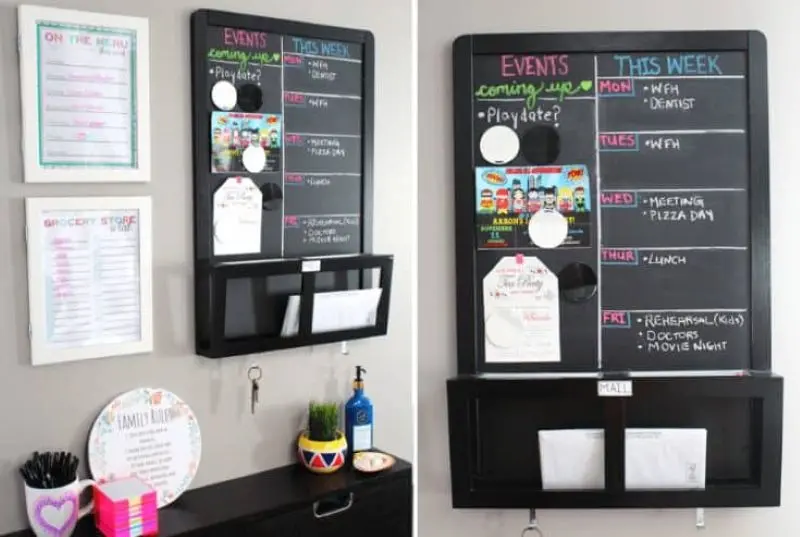
Build a Home Command Center to Declutter Your Life
Discover how a well‑designed home command center can transform chaos into order, offering practica... Read More
Smart Window Treatments: The Overlooked Energy Saver
Learn practical tips for choosing, automating, and maintaining window treatments that boost energy s... Read More
Top Posts

Beyond the Sheet: Unlocking the Full Potential of Modern Drywall
Explore how today’s drywall goes beyond simple partitioning, offering acoustic mastery, fire resistance, sustainable options, and integrated sensors that turn...Read More
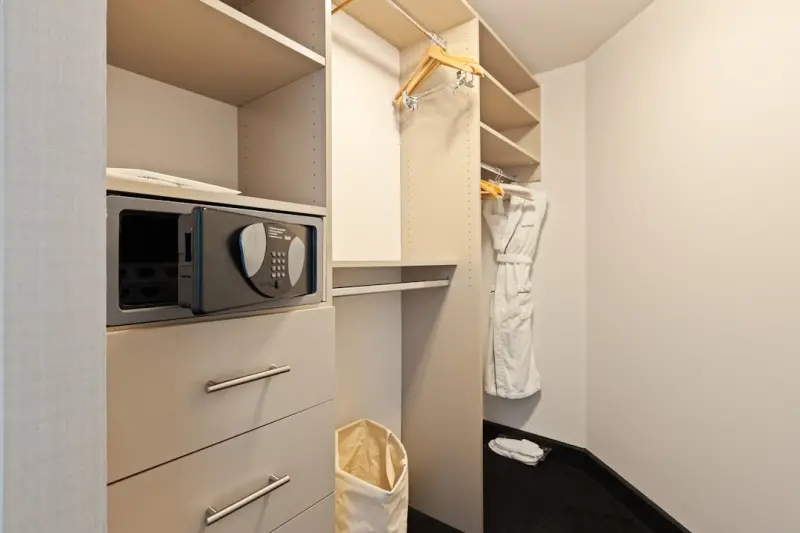
Revolutionizing Closet Storage with Rotating Carousels and Hidden Compartments
A fresh take on closet organization: learn to implement rotating carousels, hidden floor drawers, and smart inventory tools for a clutter‑free, stylish storag...Read More

Breathing New Life into Vintage Pieces: A Restorer’s Journey
Explore the art and economics of furniture restoration through a seasoned restorer’s perspective, learning how to assess, repair, finish, and preserve vintage...Read More
The Hidden Comfort: How Radiant Floor Heating Redefines Modern Living
I’ve swapped out chilly tiles for warm, whisper‑quiet floors and never looked back. Here’s how radiant heating can transform comfort, cut bills, and boost...Read More
0 Comments
Post Comment
You will need to Login or Register to comment on this post!