
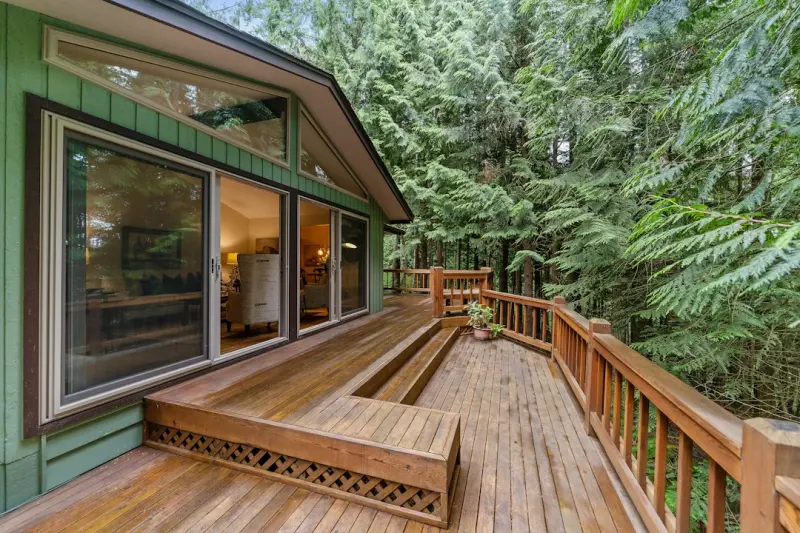
Why Decks Are the New Frontier for Experiential Branding
When I first started consulting for contractors, the conversation always circled around function—square footage, load‑bearing capacity, and compliance. Over time, I’ve watched a subtle but powerful shift: owners want their outdoor decks to do more than support a barbecue. They want them to tell a story, to become a platform where a brand can interact with clients, employees, and the community in a memorable way. This isn’t about slapping a logo on a railing; it’s about designing a space that acts as an extension of your brand identity.
The Business Case: From Static Structure to Dynamic Asset
Consider the lifecycle of a traditional deck. It’s built, it serves its purpose for a decade or so, then it either gets replaced or falls into disrepair. In a B2B SaaS context, we’re taught to think in terms of assets that generate ongoing value. A deck that doubles as a brand experience platform can be a perpetual marketing channel, delivering ROI long after the first plank is nailed down.
- Increased Foot Traffic: A well‑curated deck can become a destination for client meet‑ups, product demos, or pop‑up events.
- Extended Dwell Time: Comfortable, climate‑responsive seating encourages longer conversations, which translates to deeper relationships.
- Amplified Brand Recall: Unique visual and tactile elements embed your brand into the memory of every visitor.
All of these advantages stem from treating the deck as a living marketing asset rather than a static construction.
Design Principles That Turn a Deck Into a Brand Stage
To transform a deck from “just a deck” into a brand stage, we need to adopt a multidisciplinary design approach. Below are the five pillars that guide every successful project I lead.
1. Story‑Driven Layout
A deck should have a clear narrative arc. Start with an inviting entrance that mirrors your brand’s welcome, flow through zones that showcase different product pillars, and finish with a focal point—perhaps a digital display or a sculptural element—that reinforces your core message.
2. Sensory Branding
Beyond visuals, think about sound, scent, and texture. Integrated climate‑smart awning strategies can provide shade while projecting your brand’s color palette. Embedded speakers can play subtle soundscapes that align with your brand voice. Even the choice of decking material—recycled composite vs. reclaimed hardwood—communicates values.
3. Adaptive Comfort Systems
Comfort is the silent conversion driver. Install weather‑responsive lighting, misting stations, and heated floor panels that auto‑adjust based on temperature and humidity. While these systems sound high‑tech, they’re essentially the same kind of future‑proofing we talk about in indoor renovation, just applied outdoors.
4. Data‑Enabled Interaction
Imagine a deck that knows when a visitor steps onto a specific zone and triggers a custom video or AR overlay on their mobile device. This level of interactivity doesn’t have to be a massive tech overhaul; start with simple Bluetooth beacons and a modest backend dashboard. The data you collect—dwell time, zone popularity—feeds back into your broader marketing analytics.
5. Sustainable Storytelling
Brands today are judged on their environmental stewardship. Selecting low‑maintenance, sustainably sourced decking materials, integrating solar‑powered lighting, and incorporating native planting not only reduce lifecycle costs but also reinforce a narrative of responsibility.
From Concept to Execution: A Practical Roadmap
Turning a deck into a brand experience platform isn’t a “sprinkle‑and‑go” task. It requires meticulous planning, cross‑disciplinary collaboration, and a solid project management backbone. Here’s the step‑by‑step process I recommend.
- Stakeholder Alignment: Gather marketing, facilities, and executive teams to define the brand objectives for the deck.
- Site Assessment: Conduct a structural review to confirm load capacities, especially if you plan to add lighting rigs or interactive displays.
- Concept Development: Work with a design studio to sketch out zones, story flow, and material palettes.
- Technology Blueprint: Identify the tech stack—be it beacons, IoT sensors, or projection mapping—and map out integration points.
- Budget Modeling: Use a future‑proof renovation checklist to anticipate hidden costs and lifecycle expenses.
- Construction & Installation: Engage a contractor experienced in both deck building and low‑voltage systems.
- Testing & Calibration: Validate sensor accuracy, lighting levels, and user experience scenarios before public launch.
- Launch & Measurement: Roll out a soft opening, gather visitor feedback, and refine the experience based on data insights.
Case Study: A SaaS Company’s Deck Transformation
One of my recent clients, a cloud‑based analytics firm, wanted a space that could host quarterly client roundtables, product showcases, and employee wellness sessions—all without renting a hotel ballroom. We approached the project with the five pillars above.
- Story‑Driven Layout: The deck was divided into three zones—“Insight Hub” (a semi‑circular seating area with a central data wall), “Innovation Lounge” (couch clusters with wireless charging), and “Celebration Terrace” (a bar‑style counter for informal networking).
- Sensory Branding: Custom‑colored awnings echo the company’s logo blue, while subtle pine‑scent diffusers reminded visitors of “fresh data”.
- Adaptive Comfort: Integrated heat lamps kept the space usable in cooler evenings, and a misting system offered relief on hot days.
- Data‑Enabled Interaction: QR‑linked beacons on each seat triggered a personalized agenda on the visitor’s phone, and footfall sensors logged which zones were most visited.
- Sustainable Storytelling: The decking material is 80% recycled plastic, and solar panels on the roof offset the energy use of the lighting and tech.
Six months after launch, the client reported a 30% increase in client meeting conversions and a 20% boost in employee satisfaction scores related to “work environment”. The deck proved to be a cost‑effective, high‑impact marketing and culture asset.
Common Pitfalls and How to Avoid Them
Even with a solid roadmap, it’s easy to stumble. Below are the mistakes I see most frequently—and the fixes.
- Over‑Engineering: Adding too many tech layers can overwhelm both users and maintenance crews. Start small, iterate, and expand based on usage data.
- Neglecting Weather Realities: A deck in a windy region needs robust anchoring for lighting fixtures and screens. Conduct a local climate analysis early.
- Ignoring Accessibility: Compliance with ADA guidelines isn’t just legal; it broadens your audience. Include ramps, tactile surfaces, and clear signage.
- Underestimating Maintenance: Sensors and lighting need regular calibration. Build a maintenance schedule into your asset management plan.
- Weak Brand Integration: Random logos feel tacky. Ensure every visual element is tied to a brand story or value proposition.
The Future of Decks: From Static to Interactive Ecosystems
Looking ahead, I see decks evolving into micro‑ecosystems where architecture, technology, and nature converge. Picture a deck that harvests rainwater to power a small fountain, while its embedded solar cells recharge visitor smartphones. Imagine AI‑driven lighting that shifts hue based on the time of day and the emotional tone of ongoing conversations. These aren’t distant fantasies; they’re incremental upgrades you can start implementing today.
The key takeaway is simple: treat the deck as a living brand experience. By blending thoughtful design, subtle technology, and sustainable practices, you create a space that not only looks great but also drives measurable business outcomes.
Getting Started: Your First Steps
If you’re ready to reimagine your outdoor deck as a brand platform, here’s a quick starter checklist:
- Define the core brand messages you want the deck to convey.
- Map out the visitor journey—from arrival to departure.
- Identify low‑cost tech touchpoints (e.g., QR codes, Bluetooth beacons).
- Choose materials that align with your sustainability goals.
- Set up a simple data capture system to track usage patterns.
- Plan a phased rollout, beginning with a pilot zone.
Remember, the most compelling decks are the ones that feel organic—they blend seamlessly into the brand’s narrative while offering genuine comfort and utility. Start small, think big, and let your deck become the stage on which your brand story unfolds.

Craig Brett is a freelancer with a passion for the outdoors. His love for nature inspires his work, bringing authentic and engaging perspectives to projects related to outdoor activities, adventure, and environmental topics.
Related Posts
Living Climate Buffers: How Decks Can Modulate Temperature, Moisture, and Biodiversity
Decks can do more than host gatherings—they can become active climate buffers that capture solar h... Read More
The Evolution of Decking: How Sustainable Practices Are Changing the Game
The decking industry has undergone a significant transformation, with a growing emphasis on eco-frie... Read More

Turning Outdoor Decks into Power‑Generating Hubs
Discover how to convert a standard deck into a sustainable energy source with solar panels, kinetic ... Read More
Top Posts

Warmth Beneath the Feet: How Radiant Floor Heating Elevates Comfort and Sustainability
Radiant floor heating offers consistent warmth, lower energy use, and health advantages. Learn how smart controls, sustainable integration, and thoughtful desig...Read More
Reviving Workspaces: Sustainable Strategies for Modern Commercial Renovations
A seasoned renovator shares proven, sustainable methods to transform commercial spaces—balancing design, energy savings, and long‑term value for businesses ...Read More

Embracing Sustainable Plastering: A New Era for Eco-Friendly Walls
Sustainable plastering is revolutionizing the construction industry, offering a healthier, more durable, and eco-friendly alternative to traditional plastering ...Read More

The Critical Role of Sustainable Practices in Home Inspections: A Comprehensive Guide
A comprehensive home inspection should consider sustainable practices, energy efficiency, and environmental impact. Learn how sustainable home inspections can b...Read More
0 Comments
Post Comment
You will need to Login or Register to comment on this post!