

The Critical Role of Sustainable Practices in Home Inspections: A Comprehensive Guide
The home inspection process is a critical component of the homebuying experience, providing buyers with a detailed understanding of the condition and value of a property. As the world becomes increasingly environmentally conscious, sustainable practices are playing a more significant role in home inspections. In this article, we will explore the importance of sustainable practices in home inspections, their benefits, and how they can impact the homebuying process.
The Evolution of Home Inspections
Home inspections have come a long way since their inception. Traditionally, home inspections focused on identifying major defects and safety hazards in a property. However, with the growing awareness of environmental issues, home inspections now also encompass sustainable practices. A comprehensive home inspection should not only identify potential issues but also provide recommendations for sustainable upgrades and improvements. Sustainable garage doors, for instance, are becoming increasingly popular due to their energy efficiency and eco-friendliness.
The Benefits of Sustainable Home Inspections
Sustainable home inspections offer numerous benefits to homeowners and homebuyers. Some of the most significant advantages include:
- Energy Efficiency: Sustainable home inspections help identify areas where energy efficiency can be improved, reducing energy consumption and costs.
- Environmental Benefits: By identifying sustainable upgrades and improvements, homeowners can reduce their environmental footprint and contribute to a more sustainable future.
- Increased Property Value: Sustainable upgrades and improvements can significantly increase a property's value, making it more attractive to potential buyers.
- Health and Safety: Sustainable home inspections also focus on identifying potential health and safety hazards, such as mold and asbestos, and provide recommendations for remediation.
The Role of Weatherproofing in Sustainable Home Inspections
Weatherproofing is a critical component of sustainable home inspections. A well-weatherproofed home can significantly reduce energy consumption, prevent water damage, and improve indoor air quality. Home weatherproofing involves identifying areas where air leaks and water can enter a property and providing recommendations for sealing and insulation. This can include inspecting windows, doors, roof, and foundation for any signs of damage or wear.
The Impact of Dirty Ducts on Indoor Air Quality
Dirty ducts can have a significant impact on indoor air quality, contributing to respiratory problems and other health issues. A comprehensive home inspection should include a duct cleaning assessment to identify any potential issues. Dirty ducts can be a breeding ground for mold, bacteria, and other contaminants, which can be circulated throughout a property, compromising indoor air quality.
The Future of Home Inspections: Sustainable Practices
The future of home inspections is undoubtedly sustainable. As the world becomes increasingly environmentally conscious, home inspections will play a critical role in promoting sustainable practices. This includes identifying sustainable upgrades and improvements, such as energy-efficient appliances, solar panels, and green roofing. A sustainable home inspection should also consider the property's surroundings, including the lawn care practices and potential environmental hazards.
The Benefits of Sustainable General Contracting
Sustainable general contracting is becoming increasingly popular, as homeowners seek to incorporate sustainable practices into their renovation and construction projects. Sustainable general contractors can provide guidance on sustainable materials, energy-efficient systems, and eco-friendly design. This can include sustainable general contracting practices, such as using reclaimed materials, minimizing waste, and reducing energy consumption.
The Intersection of Sustainable Practices and Home Design
Sustainable practices are revolutionizing the home design industry. A sustainable home design should consider energy efficiency, environmental impact, and indoor air quality. This includes incorporating sustainable materials, such as bamboo and reclaimed wood, and designing homes to maximize natural light and ventilation. A sustainable home design can not only reduce energy consumption but also improve indoor air quality and promote occupant health.
Conclusion
In conclusion, sustainable practices are playing a critical role in home inspections. A comprehensive home inspection should consider energy efficiency, environmental impact, and indoor air quality. By identifying sustainable upgrades and improvements, homeowners can reduce their environmental footprint, improve indoor air quality, and increase their property's value. As the world becomes increasingly environmentally conscious, sustainable practices will continue to shape the home inspection industry.

Craig Brett is a freelancer with a passion for the outdoors. His love for nature inspires his work, bringing authentic and engaging perspectives to projects related to outdoor activities, adventure, and environmental topics.
Related Posts
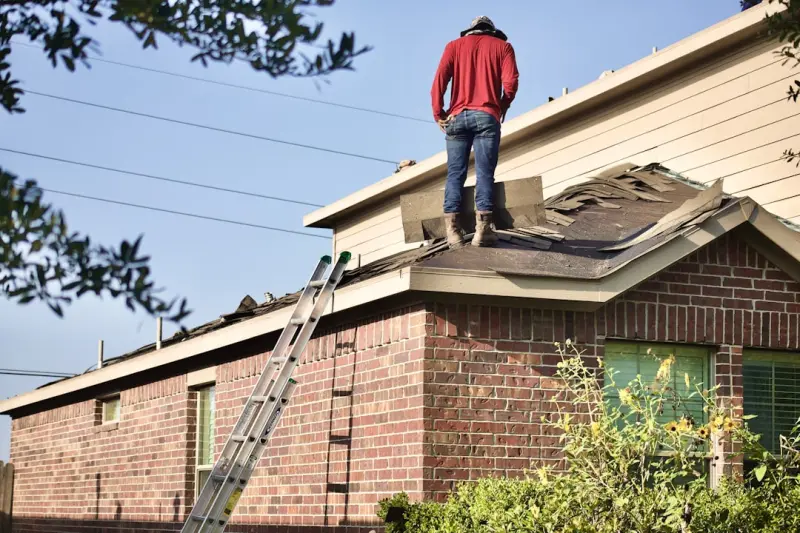
Beyond the Checklist: A Human‑Focused Home Inspection Strategy for Resilient Living
A human‑centric home inspection goes beyond ticking boxes, uncovering hidden health risks, climate... Read More

Beyond the Checklist: How AI and Drones Are Reinventing Home Inspections
Traditional home inspections miss hidden moisture, energy leaks, and structural fatigue. By integrat... Read More
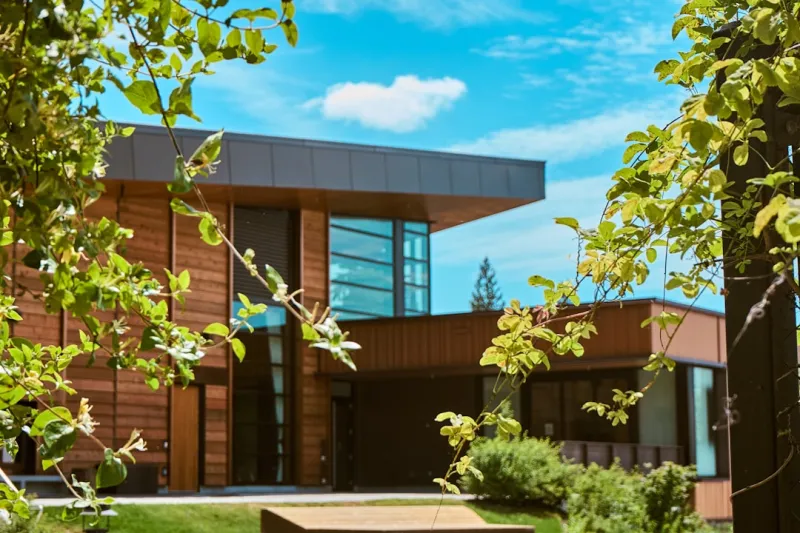
The Importance of Home Inspections in Sustainable Home Restoration
Home inspections play a critical role in sustainable home restoration. By identifying potential issu... Read More
Top Posts

When Tiles Talk: Crafting Narrative, Performance, and Future‑Proof Floors
Tiles have become more than decorative flooring; they now tell stories, regulate indoor climate, and integrate sensors, offering homeowners a blend of aesthetic...Read More
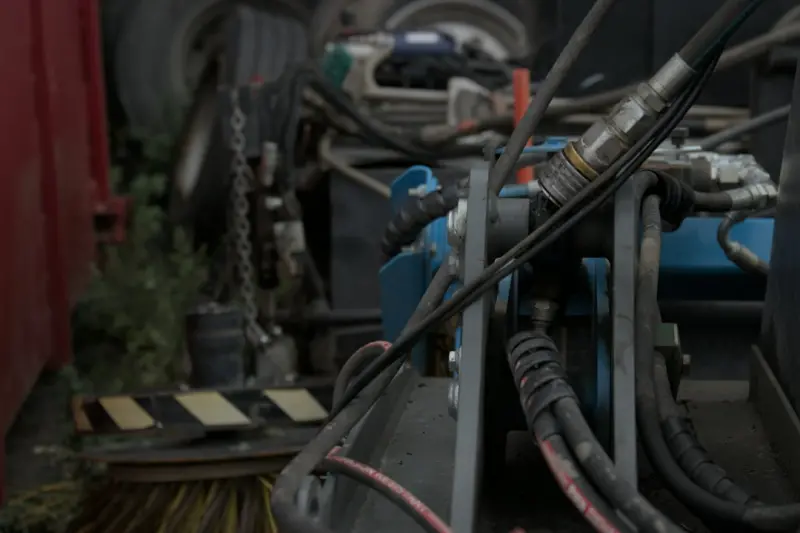
Robotic Duct Cleaning: How AI and Sensors Are Revolutionizing HVAC Maintenance
Traditional duct cleaning is outdated. By embracing AI‑driven sensors, autonomous robots, and drone inspections, facilities can turn HVAC maintenance into a p...Read More
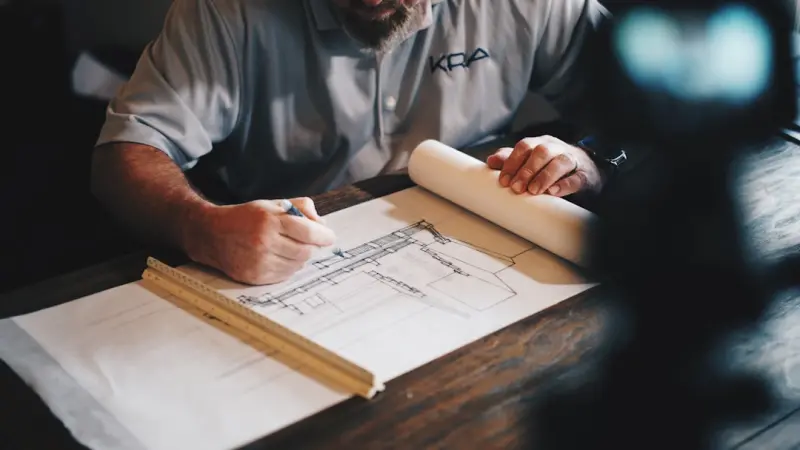
Unlocking the Secret Benefits of Construction Permits: A Strategic Designer’s Guide
Explore a fresh perspective on construction permits, learning to use regulatory requirements as tools for smarter design, sustainability, and community alignmen...Read More
Data‑Infused, Eco‑First Furniture Restoration: A New Craft Paradigm
Discover a modern approach to restoring vintage furniture that blends eco‑friendly materials, scientific analysis, and digital planning, turning every project...Read More
0 Comments
Post Comment
You will need to Login or Register to comment on this post!