

Why Decks Deserve a Tech Upgrade
When we think about the modern home, the conversation often circles around indoor automation, energy‑efficient windows, and intelligent HVAC systems. Yet, the outdoor deck—one of the most used, yet overlooked, extensions of living space—remains largely a static platform. It’s time to flip that script. By treating decks as active, power‑generating zones, homeowners can unlock new levels of sustainability, convenience, and even resale value. This isn’t a gimmick; it’s a logical evolution in the real‑time collaboration for smarter projects that already shape the way we design and construct buildings.
Solar Decking: Power at Your Feet
Solar technology has moved far beyond rooftop panels that look like a patchwork quilt. Flexible photovoltaic (PV) laminates can now be integrated directly into decking boards, turning every square foot into a miniature power plant. These panels are engineered to handle foot traffic, moisture, and temperature fluctuations, making them a perfect fit for high‑traffic outdoor areas.
- Seamless Aesthetics: Modern solar decks mimic the look of traditional wood or composite materials, so you don’t sacrifice curb appeal for performance.
- Scalable Output: A typical 12 × 20 ft deck with 150 W per square meter PV can generate enough electricity to offset a significant portion of a home’s daytime lighting and pool pump load.
- Integrated Storage: Pairing the deck with a small, weather‑proof battery bank allows you to capture excess energy for night‑time use, creating an off‑grid micro‑grid on your patio.
Beyond the energy numbers, solar decking acts as a tangible reminder of a household’s commitment to renewable resources. It also opens the door to dynamic pricing arrangements with utilities, where excess power can be fed back into the grid during peak demand periods.
Kinetic Tiles: Harvesting Energy from Every Step
While solar panels bask in the sun, kinetic tiles harvest energy from movement. Piezoelectric materials embedded beneath a deck’s surface convert mechanical stress—your footsteps, wind‑driven furniture, even the sway of a hammock—into electrical charge.
- Low‑Impact Installation: Kinetic tiles can be retrofitted beneath existing decking without altering its visual profile.
- Continuous Generation: Unlike solar, kinetic systems produce power day and night, whenever activity occurs.
- Supplementary Use Cases: The harvested energy is perfect for low‑voltage applications such as LED pathway lighting, Bluetooth speakers, or sensor networks.
When combined with solar, kinetic tiles create a hybrid system that smooths out the intermittency of each source, delivering a steadier power stream to the home’s energy management hub.
Sensor‑Driven Maintenance: The Deck’s Health Dashboard
Integrating IoT sensors into deck construction adds a layer of intelligence that goes beyond power generation. Moisture sensors, strain gauges, and temperature probes feed real‑time data to a homeowner’s smartphone or a central building management platform.
- Moisture Management: Early detection of water ingress prevents rot, mold, and structural degradation, extending the deck’s lifespan.
- Structural Integrity: Strain gauges alert you to excessive load or warping, prompting timely reinforcement before costly repairs.
- Environmental Adaptation: Temperature sensors can trigger automated shade mechanisms or heating mats, ensuring comfort regardless of weather.
All this data can be visualized in a deck health dashboard, giving homeowners actionable insights and reducing reliance on reactive maintenance schedules.
Material Transparency and Longevity
Choosing the right deck material is crucial when you’re adding electrical components. Composite decks infused with recycled polymers and sustainably sourced wood fibers not only offer durability but also align with the growing demand for traceable, low‑impact building products. Learn more about the importance of material provenance in our guide on building with integrity.
Key considerations include:
- Conductivity: Materials must isolate electrical pathways to prevent short circuits while allowing safe power flow to devices.
- UV Resistance: UV‑stable polymers ensure that integrated solar cells retain efficiency over years of exposure.
- Fire Rating: Decking must meet local fire codes, especially when housing energy storage units.
Integrating Decks into the Smart Home Ecosystem
Once the deck is capable of generating and monitoring power, the next step is seamless integration with existing smart home infrastructure. Modern home energy management systems (HEMS) can prioritize deck‑generated electricity for specific loads, such as outdoor lighting, electric vehicle (EV) chargers, or even a pool pump.
Automation rules might look like:
- When deck solar output exceeds 2 kW, divert surplus to charge the home battery.
- If kinetic energy spikes during a party, automatically increase LED ambiance lighting intensity.
- When moisture sensors detect high humidity, activate a dehumidifier or schedule a maintenance alert.
This level of orchestration not only optimizes energy use but also creates an engaging user experience—your deck becomes a living, responsive part of the home.
A Practical Roadmap to a Power‑Generating Deck
Transitioning from a traditional deck to an energy‑active platform can feel daunting. Below is a step‑by‑step guide to help you navigate the process.
- Assessment & Planning: Conduct a site analysis to determine solar exposure, foot traffic patterns, and load requirements. Use shading analysis tools to identify the best orientation for photovoltaic integration.
- Material Selection: Choose composite decking with built‑in conduits for wiring, or retrofit existing boards with surface‑mount PV modules and kinetic tiles.
- Electrical Design: Work with a licensed electrician to size inverters, battery storage, and wiring pathways. Ensure all components meet local electrical codes.
- Sensor Installation: Deploy moisture, strain, and temperature sensors at critical points. Connect them to a hub that communicates via Zigbee, Z‑Wave, or Wi‑Fi.
- Software Integration: Pair the sensor hub with your HEMS or a dedicated deck dashboard app. Set automation rules that align with your lifestyle.
- Testing & Commissioning: Verify power output, sensor accuracy, and safety interlocks. Conduct a trial run of automated scenarios.
- Maintenance Plan: Schedule periodic inspections for PV cleaning, sensor calibration, and battery health checks.
By following these steps, you can transform a simple outdoor platform into a resilient, energy‑positive asset that contributes to the overall sustainability goals of the household.
The Bigger Picture: Decks as Community Energy Nodes
Imagine a neighborhood where each home’s deck contributes a modest amount of clean power to a shared micro‑grid. This collective approach could reduce reliance on the main utility, lower community energy costs, and provide a buffer during grid outages. Municipalities are already experimenting with shared solar canopies; extending that concept to private decks could be the next frontier in distributed renewable energy.
Such a model would require standardized connectors, open‑source communication protocols, and clear regulatory frameworks, but the potential upside—a resilient, community‑owned energy network—makes it worth exploring.
Final Thoughts
Decks have traditionally been viewed as purely recreational spaces. By embedding solar, kinetic, and sensor technologies, they evolve into multifunctional hubs that generate power, monitor structural health, and enhance the smart home experience. This shift not only amplifies the environmental benefits of a home but also delivers tangible financial returns through energy savings and increased property value. The future of outdoor living is bright—literally and figuratively—and it starts at your feet.

Paul Gray is a dynamic blogger based in Brampton, where he shares his life with his amazing wife, Sarah. Known for his engaging writing style and relatable insights, Paul has carved out a niche in the blogging world that resonates with readers from all walks of life. When he's not crafting captivating posts, you can find him savoring a cold beer or indulging in the latest blockbuster movie. With a friendly demeanor and a passion for storytelling, Paul brings a unique perspective to his work, making him not just a blogger, but a voice for those who appreciate the simple joys of life.
Related Posts
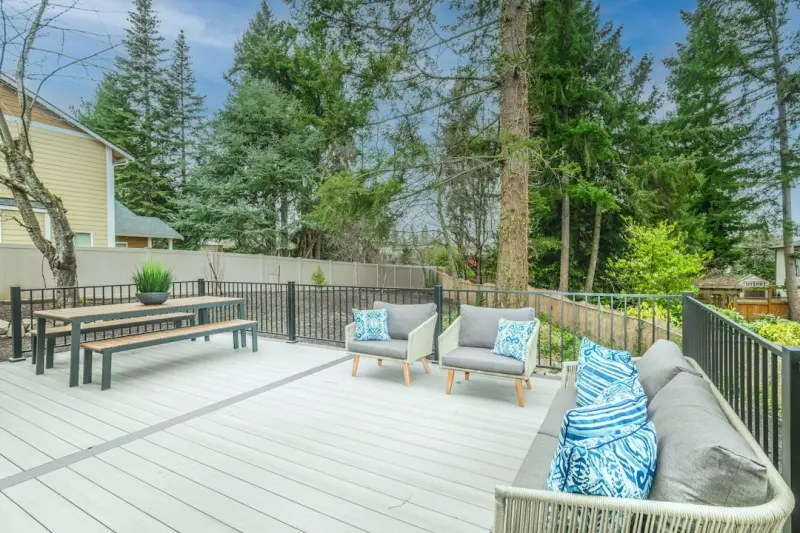
Beyond the Boards: How Intelligent Deck Design is Redefining Outdoor Living
The article explores how decks can evolve into smart, sustainable outdoor spaces by incorporating so... Read More

Living Climate Buffers: How Decks Can Modulate Temperature, Moisture, and Biodiversity
Decks can do more than host gatherings—they can become active climate buffers that capture solar h... Read More

Reimagining Decks: Turning Outdoor Platforms into Data‑Driven Business Assets
This post explores how modern decks can evolve from seasonal patios into intelligent, revenue‑gene... Read More
Top Posts

The Importance of Sustainable Snow Removal Practices
Adopt sustainable snow removal practices to minimize your environmental impact. Learn eco-friendly tips and techniques to make your snow removal process more su...Read More
Flexible Closet Architecture: Turning Wardrobe Space into a Productivity Engine
A modern closet can be a strategic asset—offering modular flexibility, sensor‑driven insights, and AR‑guided installation—to boost efficiency, sustainab...Read More

Beyond Drainage: How Intelligent Gutter Systems Are Future‑Proofing Buildings
Intelligent gutter systems transform traditional rainwater channels into data‑rich, adaptive, and energy‑harvesting assets, delivering sustainability, cost ...Read More

Sustainable General Contracting: Building Value with Purpose
Explore the evolving world of general contracting, where sustainable materials, design‑build collaboration, and cutting‑edge tech combine to create resilien...Read More
0 Comments
Post Comment
You will need to Login or Register to comment on this post!