

Reimagining Decks as Living Climate Buffers
When most people picture a deck, they see a flat platform of lumber extending from a home or a commercial building, a place to host a barbecue or a spot for a weekend hammock. That mental image is perfectly fine—but it’s also a missed opportunity. In today’s push for resilient, low‑impact construction, decks can evolve from simple footpaths into active climate buffers that modulate temperature, manage moisture, and nurture biodiversity without sacrificing aesthetics or function.
Why Climate‑Responsive Decking Matters
Buildings consume a staggering share of global energy, and a large portion of that load comes from heating and cooling the interior spaces. By treating the deck as a semi‑permeable skin, designers can capture solar gain in winter, dissipate heat in summer, and even channel breezes to improve indoor comfort. This approach reduces reliance on HVAC systems, cuts operating costs, and aligns with sustainability goals that many businesses now track as part of their ESG metrics.
Passive Solar Gain: Turning Sunlight into Warmth
The sun’s rays are a free source of heat, but only if you let them in at the right times and block them when they become a liability. A deck oriented to face true south (in the northern hemisphere) can be built with a slight overhang or pergola that shades the area during the high summer sun while still allowing low‑angle winter light to filter through. Using light‑weight, high‑thermal‑mass decking materials—such as engineered bamboo or reclaimed hardwood—stores that winter warmth and releases it slowly after sunset, acting like a radiant floor for the rooms below.
Night‑Time Cooling: Harnessing Radiative Heat Loss
Just as a deck can capture heat, it can also shed it. By selecting decking with high emissivity finishes, the surface becomes an efficient radiator at night, releasing accumulated heat to the cooler sky. Pair this with a strategically placed misting system that activates after sunset, and you create a natural evaporative cooler that reduces indoor temperature without a single kilowatt‑hour of electricity.
Moisture Management Beyond the Traditional Waterproofing Playbook
Traditional deck construction often treats water as an adversary—apply a sealant, install a drainage plane, and hope for the best. A climate‑responsive deck flips that script. By integrating circular decking solutions—for example, reclaimed timber with built‑in micro‑grooves—you create a capillary network that channels rainwater into a sub‑deck reservoir. From there, the water can be filtered and redirected to nearby landscaping, reducing runoff and supporting on‑site vegetation.
Biophilic Design: Decks as Platforms for Native Plant Life
One of the most powerful ways to turn a deck into a climate buffer is to blend it with living greenery. A green deck incorporates shallow planter boxes or a raised garden bed that runs along the perimeter. Selecting native, drought‑tolerant species ensures low maintenance while providing shade, windbreaks, and habitat for pollinators. The plants’ transpiration adds humidity in dry months, which can be a subtle benefit for interior spaces with low humidity levels.
Material Choices That Amplify the Buffer Effect
Not all decking materials are created equal when it comes to climate performance. Here are three categories that excel:
- Engineered Bamboo: Combines high thermal mass with rapid growth rates, delivering a renewable source that also stores heat.
- Recycled Composite with Phase‑Change Additives: These composites embed micro‑capsules that absorb heat during the day and release it when temperatures drop.
- Thermally Modified Hardwood: Treated to increase density and stability, these woods hold heat longer and resist moisture ingress.
Design Tools for Predictive Performance
While the physical design of the deck is critical, modern simulation tools can forecast how a deck will behave across seasons. By feeding a 3‑D model into a performance‑analysis engine, you can visualize solar exposure, heat flux, and moisture movement before a single nail is driven. This data-driven approach doesn’t turn the deck into a “smart” interface—it simply informs smarter decisions during the planning phase.
Case Study: A Retail Center’s Climate‑Smart Deck
A mid‑size retail complex in the Pacific Northwest recently replaced its static concrete promenade with a climate‑responsive deck. The new design featured a staggered series of pergola sections with adjustable louvers, engineered bamboo planks, and a series of native sedge planters. Over the first summer, the building’s cooling load dropped by 12 %, and the winter heating demand fell by 9 %—all while foot traffic increased due to the enhanced outdoor experience. The project’s success was amplified by a digital twin used during construction to fine‑tune the deck’s geometry for optimal solar shading.
Integrating Decks Into a Broader Sustainability Strategy
Decks rarely exist in isolation. When paired with other sustainable measures—like rooftop solar, rainwater harvesting, or high‑performance glazing—they become part of a holistic envelope strategy that maximizes energy efficiency. Think of the deck as the “first line of defense” against climate extremes, working hand‑in‑hand with interior systems to keep occupants comfortable year‑round.
Maintenance Tips to Preserve the Buffer Benefits
To keep the deck performing as a climate buffer, regular upkeep is essential:
- Seasonal Cleaning: Remove debris from planter boxes and clear any organic matter that could block drainage pathways.
- Re‑Seal Natural Wood: Use a low‑VOC, breathable sealant that allows the wood to breathe while protecting against excessive moisture.
- Inspect Louver Mechanisms: Ensure adjustable shading devices operate smoothly and are free of corrosion.
- Check Plant Health: Replace dead or diseased plants promptly to maintain the deck’s transpiration capacity.
Future Outlook: Decks as Part of Adaptive Urban Infrastructure
Urban planners are beginning to view outdoor platforms—sidewalks, plazas, decks—as components of a city’s adaptive infrastructure. In climate‑challenged regions, decks that can shift from heat‑absorbing to cooling modes on demand could become standard practice. Moreover, as cities push for net‑zero targets, the cumulative effect of thousands of climate‑responsive decks could meaningfully offset building emissions at the district level.
Getting Started: A Practical Checklist
If you’re considering upgrading your deck to a living climate buffer, follow this quick checklist:
- Assess site orientation and sun path to determine optimal deck placement.
- Select a material system that offers both thermal mass and sustainability credentials.
- Design shading devices—fixed or adjustable—based on seasonal sun angles.
- Integrate a water‑management plan that captures, stores, and re‑uses rainwater.
- Plan for native plant integration, ensuring proper soil depth and drainage.
- Use simulation tools to validate performance before construction.
- Establish a maintenance schedule to preserve functional and aesthetic value.
By treating your deck as a dynamic participant in your building’s climate strategy, you unlock hidden energy savings, boost occupant wellbeing, and future‑proof your asset against a warming world.

Craig Brett is a freelancer with a passion for the outdoors. His love for nature inspires his work, bringing authentic and engaging perspectives to projects related to outdoor activities, adventure, and environmental topics.
Related Posts
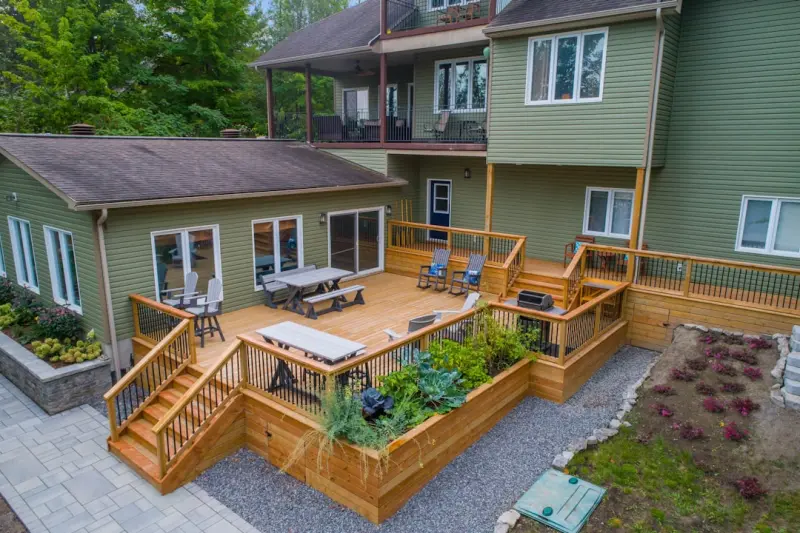
Rethinking Decks: From Seasonal Patio to Year‑Round Asset
A forward‑looking look at how decks are evolving beyond seasonal patios into adaptable, tech‑enh... Read More
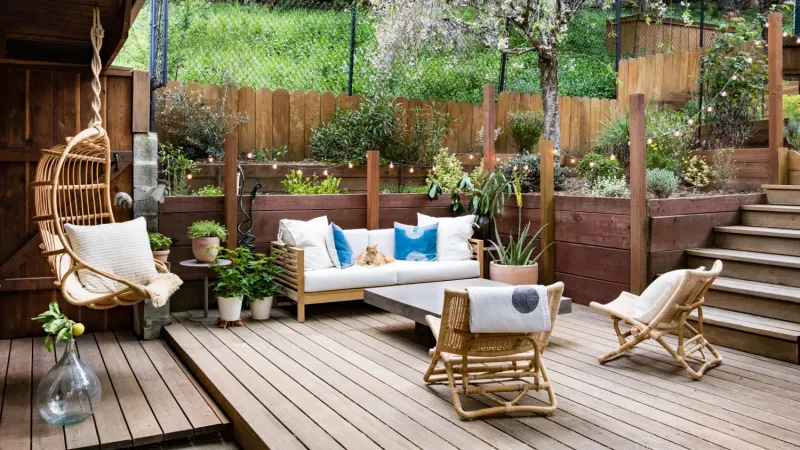
Decked Out: Crafting the Ultimate Outdoor Living Space for Your Home
Discover how to craft the ultimate outdoor living space with a modern deck. William Roy shares insig... Read More
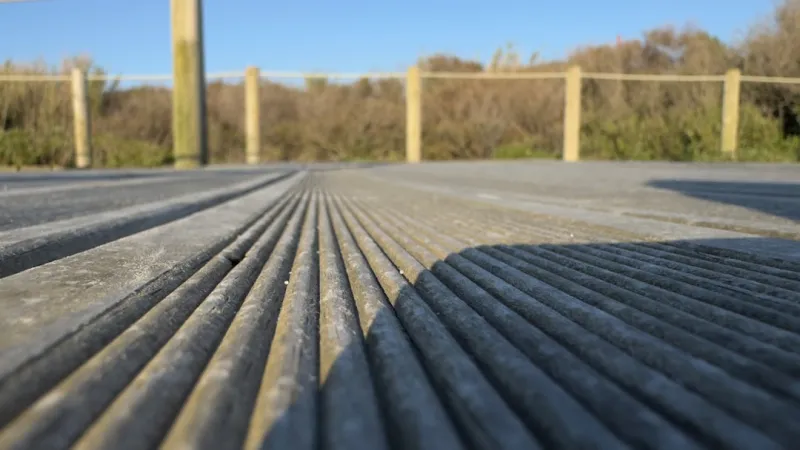
The Evolution of Decking: How Sustainable Practices Are Changing the Game
The decking industry has undergone a significant transformation, with a growing emphasis on eco-frie... Read More
Top Posts
Zoning Your HVAC: A Personal Blueprint for Multi‑Generational Comfort
Learn how zoning your heating and cooling can give each family member their perfect temperature, improve indoor air quality, and cut energy costs with a practic...Read More

Reviving Historic Woodwork: A Step‑by‑Step Restoration Guide
A detailed guide walks you through assessing, repairing, and finishing original woodwork, blending heritage preservation with today’s performance standards....Read More
Why Modern Roofs Should Be Smart, Sustainable, and Stylish
Explore innovative roofing strategies that blend smart sensors, sustainable materials, and artistic design to create a roof that protects, saves energy, and enh...Read More
Biodiverse Lawns: Turning Grass into a Living Asset
Learn practical steps to replace a monoculture lawn with a resilient, biodiversity‑rich turf that conserves water, reduces maintenance costs, and enhances the...Read More
0 Comments
Post Comment
You will need to Login or Register to comment on this post!