
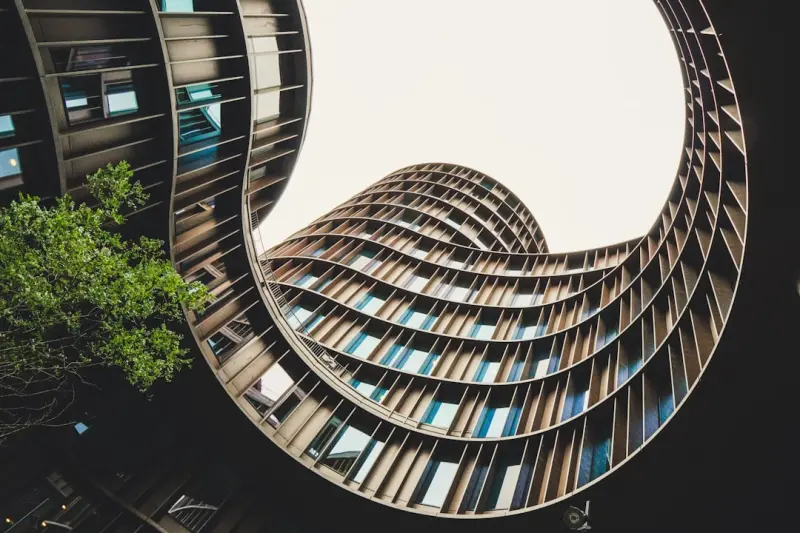
Design‑Build Meets the Circular Economy: Turning Waste into Opportunity
When I first walked onto a demolition site, the sheer volume of discarded material felt like a missed conversation. Boxes of concrete, piles of timber, and a maze of metal framing screamed for a second chance. In the design‑build world, we often talk about speed, cost, and client satisfaction, but there’s a quieter, more powerful dialogue happening beneath the surface: the dialogue of resources, reuse, and regeneration.
In this post I’ll walk you through a practical, hands‑on approach to embedding circular‑economy principles into every phase of a design‑build project. I’ll share the mindset shifts, the tools, and the concrete tactics that have helped my teams transform what used to be “waste” into “value‑added assets.” By the end, you’ll have a playbook you can start using on your next project, whether you’re building a boutique office, a mid‑size retail hub, or a large‑scale industrial campus.
Why Circular Design‑Build Isn’t Just a Trend
Design‑build already promises tighter integration between architecture, engineering, and construction. Adding circularity amplifies that integration by forcing every stakeholder to ask a single, unifying question at each decision point: “What will happen to this material after the project ends?” The answer drives everything from material selection to structural detailing, and ultimately determines the project’s long‑term environmental and financial footprint.
Three core benefits make circular design‑build a competitive advantage:
- Cost Savings – Re‑using on‑site material cuts procurement expenses and reduces hauling fees.
- Risk Mitigation – By designing for disassembly, you lower the risk of unexpected de‑construction costs and regulatory hurdles.
- Brand Differentiation – Clients and tenants increasingly demand sustainable credentials; a circular narrative becomes a powerful marketing story.
Step 1: Set the Circular Intent Early
In traditional design‑build contracts, the scope is often locked down after the schematic design phase. To embed circularity, you need to bring the conversation into the conceptual stage. This means:
- Holding a circular‑design workshop with the client, architect, structural engineer, and subcontractors.
- Defining measurable targets, such as “90 % of structural steel must be sourced from recycled content” or “all interior partitions should be designed for 100 % re‑use.”
- Documenting these targets in the permit strategy to ensure compliance and to leverage any fast‑track incentives that local authorities may offer for waste reduction.
When the whole team signs onto a circular intent from day one, the design‑build workflow naturally evolves to accommodate it, rather than retrofitting sustainability later as an afterthought.
Step 2: Choose Materials with a Second Life in Mind
Material selection is the most visible lever for circularity. Instead of defaulting to “new” everything, ask:
- Can we source reclaimed timber from local de‑construction projects?
- Is there a high‑performance recycled‑content concrete mix that meets our structural requirements?
- Do modular wall systems exist that can be disassembled and re‑configured without demolition?
One surprising winner is cross‑laminated timber (CLT). When sourced from responsibly managed forests and manufactured using reclaimed wood, CLT offers carbon sequestration, rapid assembly, and, crucially, the ability to be taken apart and reused. Pair it with steel connections that are bolted rather than welded, and you’ve built a structure that can be de‑constructed with minimal waste.
Step 3: Design for Disassembly, Not Demolition
Traditional construction often assumes that once a building is built, it will stay static for decades. Circular design‑build flips that assumption. Here’s how to design for future disassembly:
- Standardize Connections – Use bolts, pins, and clips that can be removed with hand tools. Avoid adhesives and continuous welds that lock components together forever.
- Separate Material Streams – Design interior finishes so that gypsum, wood, and metal layers can be peeled away individually, reducing mixed‑waste streams.
- Document the Build – Create a “material passport” that records every component’s material, supplier, and installation location. This digital ledger becomes priceless when the building reaches the end of its first life.
These tactics not only simplify future reuse but also streamline the construction phase. Workers spend less time cutting and more time installing standardized assemblies, which speeds up the schedule—one of the classic benefits of design‑build.
Step 4: Capture On‑Site Resources in Real Time
Technology is a silent partner in the circular journey. By deploying sensors and a simple digital twin platform, you can track material quantities as they arrive, are cut, and are installed.
Imagine a dashboard that alerts the foreman when the amount of reclaimed brick on site reaches 80 % of the projected need, prompting a reorder of new bricks only if necessary. Or a sensor that logs the weight of waste generated each day, enabling the crew to adjust their on‑site recycling plan in real time.
These data loops close the feedback gap that traditionally exists between the design office and the construction floor, ensuring that circular targets stay in sight and in mind.
Step 5: Partner with Local Re‑Use Networks
Every region has a unique ecosystem of salvage yards, material banks, and de‑construction specialists. Mapping these partners early in the design‑build timeline can unlock unexpected material sources and create a virtuous loop of local resource circulation.
For example, a recent project I led sourced its exposed concrete aggregate from a neighboring demolition site, turning what would have been landfill waste into a decorative floor finish. The cost was a fraction of new aggregate, and the local press loved the story of “two sites helping each other out.”
Step 6: Integrate Circular Metrics into the Contract
Design‑build contracts are notoriously performance‑driven. By embedding circular KPIs—like “percentage of on‑site waste diverted from landfill” or “amount of reclaimed material used”—you turn sustainability from a nice‑to‑have into a paid‑for deliverable.
Consider a bonus clause that awards the contractor a percentage of the project fee if waste diversion exceeds the agreed target. Conversely, a penalty for exceeding landfill limits keeps the team accountable. This financial alignment mirrors the design‑build principle of shared risk and reward.
Step 7: Communicate the Circular Narrative to Stakeholders
Clients, investors, and end‑users all care about the story behind the building. A clear, data‑backed narrative—complete with before‑and‑after photos of reclaimed materials, waste‑diversion statistics, and a timeline of circular milestones—creates a compelling case study that can be reused in marketing collateral, ESG reporting, and future bid packages.
When you frame the project as a “living example of a circular economy in action,” you not only satisfy sustainability mandates but also elevate the brand equity of everyone involved.
Real‑World Example: A Mid‑Size Office Renovation
To illustrate the process, let’s walk through a recent mid‑size office renovation that embraced the circular design‑build methodology from concept to closeout.
- Scope Definition – The client wanted a modern workspace with a reduced carbon footprint. We set a target of 75 % reclaimed material usage.
- Material Sourcing – Reclaimed timber from a historic school demolition was used for the primary structural frame. Recycled glass tiles became the reception floor.
- Design for Disassembly – All interior partitions were bolted steel frames with interchangeable panel inserts, allowing future reconfiguration without cutting.
- Digital Twin Integration – A lightweight digital twin recorded each material’s location, weight, and source, generating a “material passport” at handover.
- Performance Outcomes – Waste sent to landfill dropped to 12 % of total waste, well below the industry average of 30 %. The client received a LEED Gold certification and saved 18 % on material procurement costs.
This case study demonstrates that circular design‑build is not a theoretical exercise; it delivers tangible financial and environmental returns.
Overcoming Common Barriers
Implementing circular principles can feel daunting. Below are the most frequent obstacles and practical ways to move past them:
- Lack of Knowledge – Host regular knowledge‑sharing sessions with suppliers who specialize in reclaimed materials. Many are eager to collaborate on pilot projects.
- Perceived Higher Costs – Conduct a life‑cycle cost analysis. The upfront investment often pays back through lower disposal fees and potential tax incentives for waste reduction.
- Regulatory Uncertainty – Work closely with local building departments early on. In many jurisdictions, demonstrating a waste‑diversion plan can fast‑track permitting, echoing the benefits described in permit strategy.
- Supply Chain Constraints – Build a diversified network of material sources, including salvage yards, reclaimed‑material distributors, and manufacturers offering recycled‑content products.
Future Outlook: Scaling Circular Design‑Build
As the construction sector grapples with resource scarcity and climate pressure, circular design‑build is poised to become a mainstream practice rather than a niche. Emerging technologies—such as AI‑driven material optimization, blockchain‑secured material passports, and advanced de‑construction robotics—will further lower the friction of reusing components.
For design‑build firms, the strategic move is clear: start integrating circular thinking now, experiment on pilot projects, and refine your processes. The sooner you embed these practices, the more you’ll benefit from cost savings, regulatory incentives, and a market that increasingly rewards sustainable, resilient buildings.
In the end, the true power of design‑build lies in its ability to bring diverse disciplines together under a single, unified vision. By adding the circular economy to that vision, we not only build better structures—we build a better future.

Paul Gray is a dynamic blogger based in Brampton, where he shares his life with his amazing wife, Sarah. Known for his engaging writing style and relatable insights, Paul has carved out a niche in the blogging world that resonates with readers from all walks of life. When he's not crafting captivating posts, you can find him savoring a cold beer or indulging in the latest blockbuster movie. With a friendly demeanor and a passion for storytelling, Paul brings a unique perspective to his work, making him not just a blogger, but a voice for those who appreciate the simple joys of life.
Related Posts
Parametric Design‑Build: Speed, Sustainability, Collaboration
Parametric design injects data‑driven agility into design‑build, letting teams iterate faster, c... Read More

Design‑Build Secrets: How I Turn Visions into Sustainable Realities
Explore the power of design‑build in creating eco‑friendly homes. From unified vision to smart w... Read More
From Sketch to Structure: How AI‑Driven Workflows Are Redefining Design‑Build
AI is turning the traditional design‑build process into a collaborative, data‑rich ecosystem. Le... Read More
Top Posts
Walking on the Future: How Bio‑Based Flooring is Redefining Healthy Spaces
A deep dive into the emerging world of bio‑based flooring—mycelium panels, hemp composites, and reclaimed ocean plastics—showcasing their health benefits,...Read More

When the Ground Shifts: Proactive Strategies to Safeguard Your Building’s Core
A deep dive into early warning signs, sensor technology, soil science, and community collaboration that transforms foundation repair from a reactive fix into a ...Read More

Designing for Neurodiversity: Architecture That Listens
A deep dive into neuroinclusive design, offering practical strategies—adaptive lighting, acoustic zoning, modular layouts, and smart tech—to craft architect...Read More

Warmth as Narrative: Rethinking Floor Heating for Design, Heritage, and Wellness
Floor heating isn’t just about warmth; it’s a subtle design tool that can preserve heritage, improve acoustics, and create immersive experiences, all while ...Read More
0 Comments
Post Comment
You will need to Login or Register to comment on this post!