
From Sketch to Structure: How AI‑Driven Workflows Are Redefining Design‑Build
When I first stepped onto a construction site, the air was thick with the smell of fresh concrete and the chatter of foremen juggling spreadsheets on battered clipboards. Fast forward a few years, and the same site hums with the low whirr of servers, the click of a mouse, and a steady stream of data visualizations projected onto glass walls. The design‑build world is no longer a linear hand‑off between architects and contractors; it’s a living, learning ecosystem powered by artificial intelligence.
The Old “Design‑Then‑Build” Myth
For decades, the industry has operated under a simple premise: architects draft, engineers calculate, contractors construct. In practice, that model creates silos, misaligned expectations, and costly rework. The permit process, for instance, can become a bottleneck because design decisions made months earlier may no longer align with updated code requirements or site conditions.
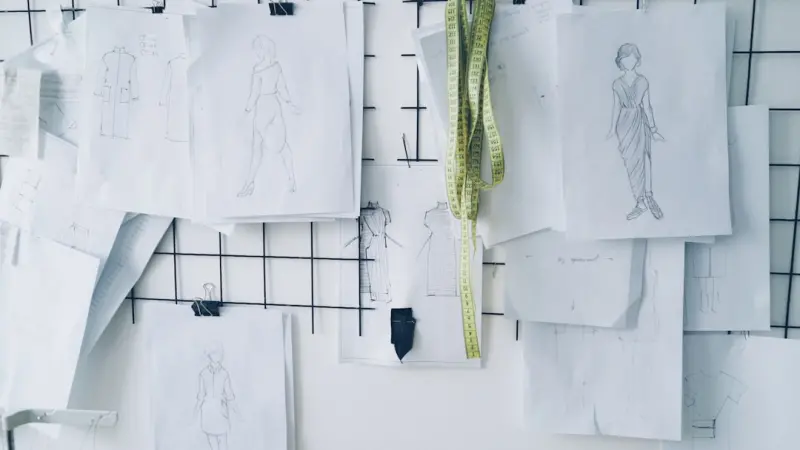
What’s more, traditional workflows rely heavily on static 2D drawings that struggle to convey spatial intent. A client walking through a PDF never truly feels the flow of a hallway, the rhythm of a façade, or the tactile qualities of a material palette. This disconnect fuels change orders and erodes trust.
Enter AI: From Static Drafts to Adaptive Models
Artificial intelligence is not a silver bullet, but it is a catalyst that transforms static drawings into adaptive models. Modern design‑build firms are deploying generative design algorithms that ingest a project’s constraints—budget, zoning, energy targets, material availability—and churn out dozens of viable layout options in minutes. Designers then curate these options, focusing on those that best meet aesthetic and functional goals.
What makes this powerful is the feedback loop. As the construction team updates the model with real‑time field data—soil conditions, labor productivity, material lead times—the AI recalibrates the design, suggesting adjustments that keep the project on schedule and within budget. This iterative process replaces the once‑annual design review with a continuous, data‑driven conversation.
Digital Twins: The Living Blueprint
A digital twin is more than a 3D rendering; it’s a synchronized replica of the physical building that evolves alongside construction. Sensors embedded in structural elements feed performance data back into the twin, allowing the design‑build team to monitor stress points, temperature gradients, and even occupancy patterns as they emerge.
Imagine a high‑rise office tower where the twin flags a potential thermal bridge on the 12th floor before the concrete even cures. The design‑build team can intervene with a quick material swap, avoiding future energy inefficiencies. The twin also serves as a powerful communication tool for owners, who can “walk” the building virtually before the first steel beam is erected.
Modular Meets AI: Accelerating the Build Phase
Modular construction has already proven its merit in reducing on‑site labor and waste. When AI is layered on top, the benefits compound. Generative design can optimize each module for structural efficiency, transport logistics, and on‑site assembly sequence. The result is a library of pre‑engineered components that fit together like a high‑precision puzzle.
In practice, this means a design‑build firm can take a client’s program, feed it into an AI engine, and receive a fully detailed modular layout that includes panel dimensions, connection details, and a phased assembly plan—all within days. The construction crew then receives prefabricated modules that arrive just‑in‑time, slashing schedule risk and site congestion.
Collaborative BIM: The Glue That Holds It All Together
Building Information Modeling (BIM) has been the industry’s lingua franca for a while, but its true potential is unlocked only when paired with AI and digital twins. A collaborative BIM environment acts as the central repository for all design intent, construction schedules, cost estimates, and performance metrics.
When AI processes data from the BIM model, it can predict cost overruns before they happen, suggest material substitutions to improve sustainability scores, and even flag potential conflicts between MEP systems and structural elements. The design‑build team, from the senior architect to the site superintendent, works off a single source of truth, dramatically reducing the “information loss” that traditionally occurs when data is passed hand‑to‑hand.
Real‑World Success: A Case Study in Adaptive Design‑Build
One recent project—an 80,000‑square‑foot mixed‑use development in a dense urban district—leveraged the AI‑BIM‑digital twin triad. The client demanded a tight schedule, LEED Gold certification, and a flexible interior that could adapt to changing tenant needs.
- AI‑Generated Layouts: The algorithm produced 27 layout variations that satisfied daylight, circulation, and structural constraints. The design team selected a hybrid that maximized natural light while preserving a clear structural grid.
- Modular Fabrication: Using the chosen layout, the team generated a library of modular wall panels and pre‑cabled floor boxes. These modules were fabricated off‑site and delivered in a just‑in‑time sequence, cutting the on‑site construction window by 30%.
- Digital Twin Monitoring: Sensors embedded in the structural core transmitted real‑time strain data to the twin. When a minor deviation was detected during a wind load test, the AI suggested a reinforcement strategy that was implemented before the façade was sealed.
- Continuous Cost Optimization: Throughout construction, the AI cross‑referenced material prices and labor rates, recommending a switch from a higher‑priced steel alloy to a high‑strength, lower‑cost alternative without compromising performance.
The result? The project hit its “substantial completion” milestone two weeks ahead of schedule, stayed 7% under budget, and achieved the targeted sustainability certification. The client now uses the digital twin as an operations platform, monitoring energy usage and occupancy trends for years to come.
Overcoming Cultural Barriers
Technology adoption is only half the battle; the human side matters just as much. Design‑build teams often resist AI because they fear it will replace their expertise. The reality is that AI augments human judgment, handling repetitive calculations and data synthesis so designers can focus on creativity and strategic problem‑solving.
Successful firms invest in training, creating interdisciplinary “AI‑labs” where architects, engineers, and construction managers experiment with generative tools on low‑risk projects. This sandbox approach builds confidence and uncovers new workflows that can be scaled to larger programs.
Future Trends to Watch
While AI is already reshaping design‑build, the next wave will likely involve deeper integration with emerging technologies:
- Edge Computing: Bringing AI processing to the construction site itself, enabling instant analysis of sensor data without reliance on cloud latency.
- Augmented Reality (AR) Overlays: Merging the digital twin with AR headsets so workers can see hidden utilities, structural stresses, or design intent superimposed on the physical environment.
- Zero‑Carbon Modules: AI‑optimized designs that incorporate carbon‑negative materials, making the modular approach not just efficient but also environmentally regenerative.
Conclusion: A New Design‑Build Paradigm
The days of drafting a set of blueprints, handing them off, and hoping the construction crew can interpret them correctly are behind us. AI‑driven workflows, digital twins, and collaborative BIM are converging to create a design‑build ecosystem where data, creativity, and construction move in lockstep.
For firms willing to embrace this change, the payoff is clear: faster schedules, tighter budgets, higher quality outcomes, and happier clients who can see—and even interact with—their future building before the first nail is driven. The future of design‑build isn’t a distant horizon; it’s the model we’re building together, one AI‑enhanced iteration at a time.

Paul Gray is a dynamic blogger based in Brampton, where he shares his life with his amazing wife, Sarah. Known for his engaging writing style and relatable insights, Paul has carved out a niche in the blogging world that resonates with readers from all walks of life. When he's not crafting captivating posts, you can find him savoring a cold beer or indulging in the latest blockbuster movie. With a friendly demeanor and a passion for storytelling, Paul brings a unique perspective to his work, making him not just a blogger, but a voice for those who appreciate the simple joys of life.
Related Posts

Design‑Build Meets Circular Economy: Building for Tomorrow’s Resources
Explore a fresh design‑build approach that integrates circular economy tactics—from material inv... Read More

Design‑Build Meets Augmented Reality: Real‑Time Collaboration for Smarter Projects
Augmented reality is reshaping design‑build workflows by overlaying 3‑D models onto physical sit... Read More

Biophilic Design‑Build: Crafting Living Micro‑Spaces in Modern Offices
A deep dive into the emerging practice of biophilic design‑build, showing how integrating natureâ€... Read More
Top Posts
Navigating Construction Permits: A Pragmatic Playbook for Modern Builders
A detailed guide that walks builders through zoning, code compliance, digital filing, inspections, and cost management to turn the often‑troublesome permit pr...Read More

The Handyman’s Secret Weapon: Building a Flexible, Future‑Proof Toolkit
Learn the essential steps to create a future‑proof handyman toolkit, from core tools and modular add‑ons to smart storage, maintenance routines, and brandin...Read More

A Home Inspector’s Guide to Sustainable Smart Living
Explore the evolving role of home inspectors in sustainable, smart living, from insulation upgrades to IoT sensors, and learn actionable steps to future‑proof...Read More
The Foundation of Sustainable Construction: Why Energy Inspections Matter
Energy inspections play a vital role in ensuring that buildings are energy-efficient and environmentally responsible. Learn why energy inspections matter in sus...Read More
0 Comments
Post Comment
You will need to Login or Register to comment on this post!