

Why Design‑Build Became My Go‑To Strategy
When I first stepped onto a construction site, I quickly realized that juggling separate architects, engineers, and subcontractors felt like trying to conduct an orchestra with each musician playing a different sheet music, and after years of trial and error I discovered that the design‑build model finally gave me the baton to synchronize every moving part into a harmonious whole, allowing me to translate a client’s vague dream into a concrete plan without the endless back‑and‑forth that traditional delivery methods demand; this streamlined approach not only slashes timelines but also opens a window for creative problem‑solving that would otherwise be buried under layers of red‑tape, and because I care deeply about the planet, I immediately saw the opportunity to embed sustainability into every decision from the very first sketch.
The Power of a Unified Vision
One of the most rewarding aspects of the design‑build process is the ability to maintain a single, unified vision from concept through completion, and as someone who thrives on collaboration I can watch the design evolve in real time while the build team provides instant feedback, ensuring that every material choice, structural detail, and finish aligns with the overarching goal of durability and ecological responsibility; this cohesion means we can avoid costly redesigns, reduce waste, and keep the project’s carbon footprint as low as possible, which is why I always start each new build with a clear sustainability charter that all parties sign off on.
To illustrate, consider a recent renovation where I coordinated the roof, insulation, and interior finishes in tandem, allowing us to select a high‑performance insulation that not only met energy codes but also complemented the aesthetic of reclaimed wood ceilings, and by integrating those decisions early we saved weeks of labor and avoided the need for retrofitted ventilation later on, proving that a unified vision isn’t just a buzzword—it’s a measurable efficiency booster that delivers both client satisfaction and a greener footprint.
Embedding Sustainability from Day One
In my experience, the most impactful sustainability wins happen when the design‑build team commits to green principles at the outset, and that commitment starts with selecting low‑impact materials, optimizing passive solar gain, and planning for future upgrades, so I always ask my clients whether they’re interested in features like rainwater harvesting, solar‑ready roofing, or advanced framing techniques that reduce lumber usage without sacrificing strength; these conversations shape the project scope before the first nail is driven, ensuring that the final home feels like a natural extension of its environment rather than an afterthought.
For readers eager to dive deeper into the insulation side of things, I highly recommend checking out The Insider’s Guide to Insulation: Turning Your Home into a Sustainable Sanctuary, which breaks down how the right insulation strategy can transform energy bills and indoor air quality, and when paired with a thoughtful design‑build approach, the result is a home that stays comfortable year‑round while dramatically lowering its ecological impact.
Design‑Build in Action: A Real‑World Example
When a recent client approached me with a plot of land surrounded by mature trees, I knew the project would be a perfect showcase for the design‑build philosophy, and by collaborating closely with the architect, structural engineer, and a certified arborist we were able to preserve the canopy, integrate natural light, and position the building to take advantage of prevailing breezes, creating a passive cooling system that slashes HVAC demand; the unified team also coordinated with the electrician to route wiring beneath raised floors, a decision that kept the ceiling clean and allowed for easy future upgrades, demonstrating how design‑build eliminates the “hand‑off” gaps that often cause delays and rework.
Along the way we incorporated insights from Design‑Build Mastery: Building Sustainable Homes with a Unified Vision, especially the emphasis on early stakeholder workshops, which helped us align on budget, aesthetics, and sustainability targets before any concrete was poured, resulting in a project that stayed under budget and delivered a home that feels both modern and deeply rooted in its natural setting.
Window Treatments and Energy Performance
One often‑overlooked element in sustainable design‑build projects is the choice of window treatments, and after years of trial I’ve learned that the right curtains, blinds, and shades can act as a secondary skin that reduces heat loss in winter and blocks glare in summer, essentially adding a layer of passive insulation without compromising style; by collaborating with interior designers early, we can specify fabrics that are both recyclable and performance‑rated, turning a decorative detail into a functional energy saver.
If you’re curious about how to select eco‑friendly options, take a look at Window Treatments That Work: A Veteran Contractor’s Guide to Sustainable Style, which walks you through material choices, installation tips, and maintenance practices that keep your home comfortable while reducing reliance on mechanical heating and cooling.
Managing Water: Gutters and Beyond
Effective water management is a cornerstone of any resilient design‑build project, and I always prioritize a gutter system that not only channels runoff away from the foundation but also captures rainwater for irrigation, a strategy that reduces municipal water use and protects the home’s structural integrity; by selecting seamless aluminum or copper gutters with integrated leaf guards, we minimize clogging and maintenance, ensuring the system performs year after year.
For a deeper dive into sustainable water solutions, the article Mastering Gutters: Sustainable Strategies for Home Longevity offers practical tips on sizing, placement, and maintenance that align perfectly with the design‑build ethos of planning for longevity from day one.
Coordinating Contractors for Seamless Execution
One of the hidden challenges in traditional construction is the siloed nature of trades, which often leads to schedule conflicts and mismatched expectations, but in a design‑build framework I act as both the project manager and the chief integrator, holding daily briefings where the carpenter, plumber, electrician, and HVAC specialist can raise concerns and adjust their workflows in real time, turning potential friction into collaborative problem‑solving; this approach not only speeds up the build but also cultivates a culture of shared responsibility for the home’s sustainability goals.
When every contractor understands the bigger picture—whether it’s reducing embodied carbon by selecting FSC‑certified lumber or ensuring that HVAC ducts are sealed to prevent energy loss—the result is a cohesive, high‑performing building that exceeds client expectations and sets a new standard for responsible construction.
Conclusion: Design‑Build as a Path to Greener Living
Reflecting on years of projects, I can say with confidence that the design‑build model isn’t just a delivery method; it’s a philosophy that empowers us to weave sustainability into the very fabric of a home, from the macro decisions about site orientation down to the micro choices of window fabrics and gutter finishes, and because the process keeps all voices at the table from the start, we can consistently deliver homes that are healthier, more efficient, and beautifully aligned with their owners’ values; if you’re ready to experience a construction journey where creativity meets responsibility, reach out and let’s start shaping your sustainable future together.

Kelly Reynolds is a dynamic freelance writer hailing from the picturesque landscapes of Alberta. A master of the written word, she juggles her passion for storytelling with the exhilarating chaos of being a mother to five spirited children. With an impressive portfolio that spans various genres, Kelly captivates readers through her engaging blog posts and thought-provoking articles.
Related Posts
Design‑Build Blueprint for Net‑Zero Energy Homes
A deep dive into the design‑build process that turns net‑zero energy goals into reality, coverin... Read More
Design‑Build Fusion: Harnessing Real‑Time 3D Digital Twins to Accelerate Projects
Real‑time 3D digital twins are revolutionizing design‑build by providing instant feedback, risk ... Read More
Design‑Build Mastery: A Hands‑On Journey to Sustainable, Smart Living
A designer‑builder shares a hands‑on, sustainable renovation story—from planning to smart‑ho... Read More
Top Posts
The Hidden ROI of Upgrading Your Gutters: Boosting Value and Cutting Costs
Learn why upgrading gutters is a strategic investment that safeguards your home, cuts long‑term costs, and enhances resale value....Read More

Connected Fencing: How IoT Redefines Perimeter Management for Modern Enterprises
A fence is no longer just a barrier. Learn how connected fencing leverages sensors, solar power, and AI to deliver security, sustainability, and data-driven ins...Read More
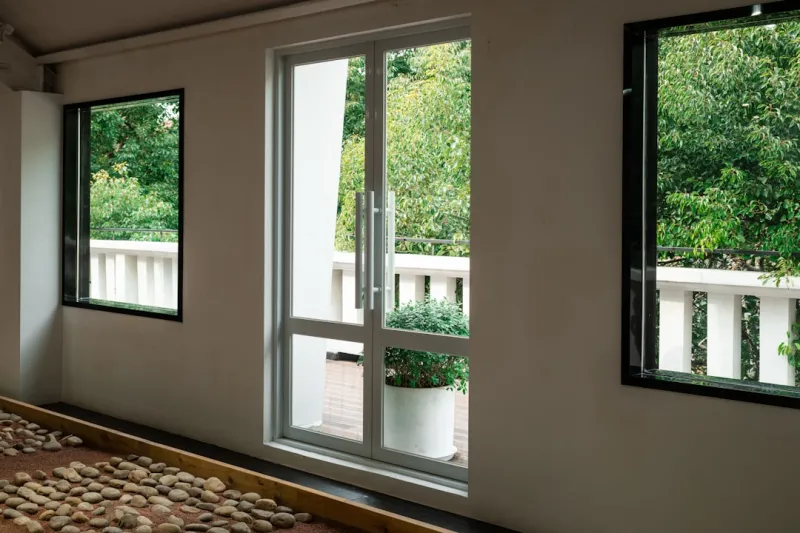
The Overlooked Essentials: Why Your Windows and Doors Define Your Home's Future
Windows and doors are more than just openings; they're vital to your home's energy efficiency, security, and aesthetics. Learn how smart upgrades and maintenanc...Read More
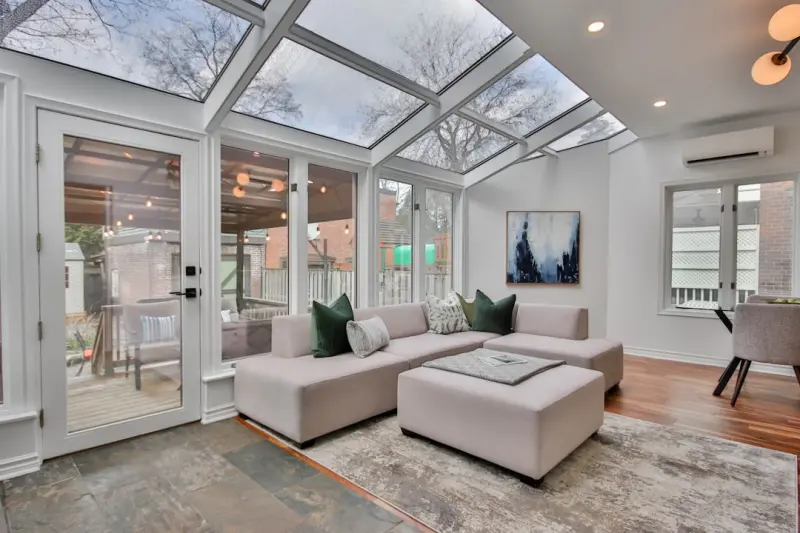
Reimagining the Sunroom: A Passive‑Living Sanctuary for Health, Energy, and Community
A sunroom can be more than a decorative add‑on; by harnessing daylight, passive solar heating, subtle biophilic elements, and smart yet unobtrusive controls, ...Read More
0 Comments
Post Comment
You will need to Login or Register to comment on this post!