
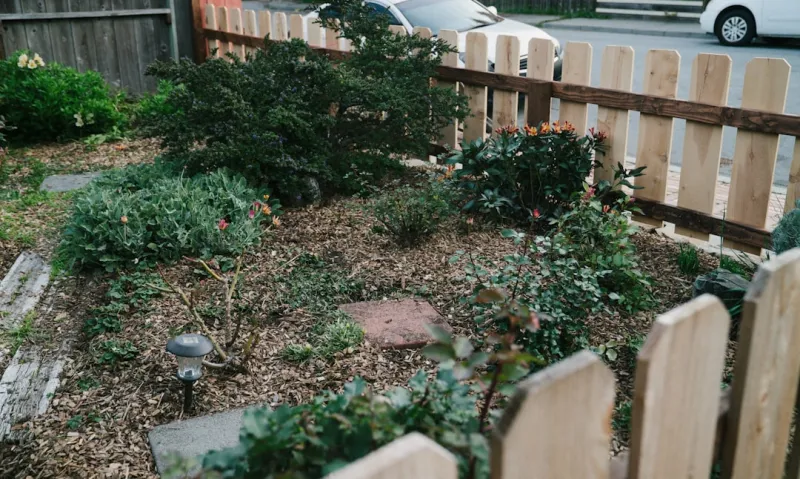
Reimagining the Backyard: A Personal Journey into Sustainable Landscaping
When I first stepped onto my new property, the overgrown grass and tangled vines felt like a blank canvas begging for a greener story. I decided that every stone, plant, and water feature would serve a purpose beyond aesthetics, weaving together beauty, biodiversity, and budget‑friendly efficiency. By treating the yard as an extension of my home’s energy system, I could capture rainwater, reduce heat islands, and create habitats for pollinators, all while keeping the design playful and inviting. This mindset turned my weekend chores into experiments in climate‑smart gardening, where every prune and mulch layer felt like a small win for the planet.
Choosing Native Plants: The Foundation of Low‑Maintenance Beauty
Native species are the unsung heroes of sustainable landscaping, thriving on local soil, rainfall, and temperature patterns with minimal intervention. I started with drought‑tolerant grasses and wildflowers that painted the space with seasonal color, eliminating the need for constant watering or chemical fertilizers. By grouping plants with similar water needs, I created micro‑zones that allowed me to install drip‑irrigation only where it mattered, cutting water use by nearly half. The result is a garden that looks wild yet is carefully curated to flourish on its own, rewarding me with less time spent on maintenance and more time enjoying the outdoors.
Smart Hardscapes: From Pathways to Patios
Hardscaping doesn’t have to be an eyesore of concrete; sustainable alternatives like permeable pavers and reclaimed stone can both look stunning and serve ecological functions. I opted for a permeable walkway system that lets rain seep into the soil, reducing runoff and recharging groundwater. The subtle texture of reclaimed limestone underfoot adds a timeless charm, while its porous nature prevents puddles and mold growth. Integrating solar‑powered LED lights along the paths provides gentle illumination without adding to my electric bill, merging form and function in a truly modern landscape.
Eco‑Friendly Fencing: Defining Space with Purpose
Fencing often feels like an afterthought, yet it can become a focal point for sustainability when chosen wisely. I replaced my old chain‑link barrier with a living fence of bamboo and reclaimed timber, creating a privacy screen that also filters wind and provides nesting sites for birds. The natural materials age gracefully, and the bamboo shoots offer a renewable source of mulch for the garden beds. For those who prefer a more structured look, sustainable fencing trends now include recycled metal panels with built‑in planters, turning boundaries into blooming borders that enhance both security and ecological value.
Rain Gardens: Turning Stormwater into a Design Feature
Instead of letting rainwater rush into the storm drain, I carved out a shallow depression planted with moisture‑loving species like iris, sedge, and native ferns. This rain garden captures runoff from the roof, filters pollutants, and slowly releases water back into the soil, mimicking natural watershed processes. The vibrant foliage provides seasonal interest, while the wet‑tolerant plants thrive with little supplemental watering. By positioning the garden near the house’s downspout, I created a functional sculpture that not only looks beautiful but also educates visitors about the importance of water stewardship.
Integrating Renewable Energy: Lighting and Power Outdoors
Outdoor lighting often becomes a hidden energy drain, but with solar fixtures and motion sensors, I transformed my yard into a low‑impact showcase. Solar lanterns line the garden paths, charging during the day and glowing softly at night without ever touching the grid. I also installed a small wind turbine on the fence peak to power a water feature, turning breezy afternoons into kinetic art. These renewable solutions blend seamlessly with the landscape, proving that sustainability can be both invisible and visually striking.
Design‑Build Synergy: Collaborating with Green‑Focused Contractors
Bringing a sustainable vision to life required a partner who understood both design intent and eco‑principles. I turned to a design‑build team that prioritized low‑impact materials, efficient construction methods, and a holistic approach to site planning. Their expertise helped me avoid common pitfalls like over‑digging and unnecessary grading, preserving topsoil and natural drainage patterns. The collaborative process meant that every choice—from soil amendments to plant placement—was vetted for environmental impact, resulting in a cohesive, resilient landscape that feels like an extension of my home’s green ethos.
Seasonal Care: Maintaining the Balance Without Overworking
Maintaining a sustainable garden is less about constant labor and more about understanding the seasonal rhythms of nature. In spring, I focus on mulching and soil aeration, allowing microbes to flourish and nutrients to circulate. Summer calls for strategic watering, using rain barrels and drip lines to target thirsty zones while letting drought‑tolerant plants fend for themselves. Autumn is the perfect time to compost fallen leaves, turning them into rich organic matter that feeds the soil for the next year. By aligning my chores with nature’s calendar, I keep the garden thriving with minimal input, preserving both my time and the environment.
Living Proof: The Payoff of Thoughtful, Sustainable Landscaping
Six months after implementing these strategies, the transformation is undeniable: cooler shade under the canopy, vibrant pollinator activity, and a noticeable dip in my water bill. The yard now feels like a living, breathing extension of my home, where every element serves a purpose and contributes to a healthier planet. Friends who visit comment on the seamless blend of style and sustainability, often asking for tips on how to replicate the look. For me, the greatest reward is watching the landscape evolve on its own, a testament to the power of intentional, eco‑focused design.

Kelly Reynolds is a dynamic freelance writer hailing from the picturesque landscapes of Alberta. A master of the written word, she juggles her passion for storytelling with the exhilarating chaos of being a mother to five spirited children. With an impressive portfolio that spans various genres, Kelly captivates readers through her engaging blog posts and thought-provoking articles.
Related Posts

Creating a Low‑Maintenance Native Landscape That Thrives in Urban Spaces
Learn step‑by‑step how to turn an ordinary city yard into a resilient, low‑maintenance native ... Read More
The Green Revolution in Landscaping: Sustainable Practices for a Greener Tomorrow
The green revolution in landscaping is transforming the way we design and maintain outdoor spaces. L... Read More

Designing Sound-Responsive Landscapes: Turning Outdoor Spaces into Auditory Experiences
Landscaping isn’t only visual; it’s auditory too. This article reveals how strategic plantings, ... Read More
Top Posts

Elevating Business Interiors with High‑Performance Drywall
Modern drywall goes beyond a simple partition, offering acoustic mastery, sustainability, fire safety, and built‑in data pathways that turn walls into strateg...Read More

Energy Inspection as a Service: Turning Audits into Ongoing Partnerships
Energy Inspection as a Service (EIaaS) redefines traditional audits by delivering continuous monitoring, predictive analytics, and actionable remediation under ...Read More

Transforming Pipes into Profit: Leveraging Modern Plumbing for Business Growth
By re‑imagining water networks as strategic assets, building owners can cut waste, improve tenant satisfaction, and create recurring revenue through monitorin...Read More

Why General Contractors Are Turning Green and What It Means for Your Next Build
General contractors are redefining construction with green strategies that cut costs, boost efficiency, and protect the planet—learn why this shift matters fo...Read More
0 Comments
Post Comment
You will need to Login or Register to comment on this post!