
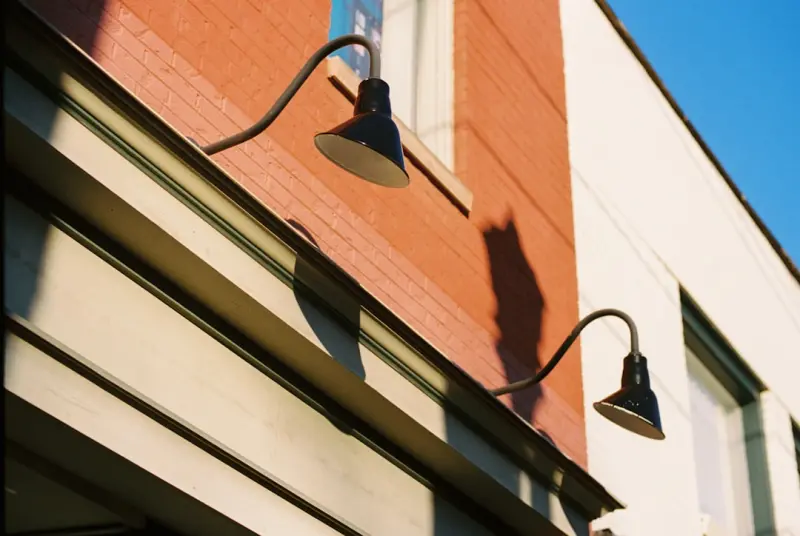
Awnings as Unsung Energy Allies
When I first surveyed my own backyard, the glaring sun turned a simple patio into a scorching oven, and my air‑conditioner worked overtime. That moment sparked a fascination with awnings not just as decorative canopies but as active participants in a home’s energy strategy. By intercepting solar radiation before it reaches windows and walls, a well‑chosen awning can shave dozens of degrees off indoor temperatures, easing the load on HVAC systems. This reduction isn’t merely a comfort perk; it translates into measurable kilowatt‑hour savings that compound year after year. In the following sections, I’ll walk you through the science, the materials, and the smart integrations that turn a modest canopy into a powerhouse of sustainability.
The Physics of Shade: How Awnings Cut Heat Gain
The sun’s rays carry energy that, when absorbed by glass and exterior walls, converts into heat that floods living spaces. An awning positioned correctly blocks a significant portion of this direct radiation, creating a shade envelope that can lower interior temperatures by up to 15 °F on a typical summer day. The effect compounds when the awning is paired with low‑emissivity windows, as the reflected heat never penetrates the glass. Studies show that a 12‑foot retractable awning can reduce cooling loads by 10‑20 %, depending on orientation and local climate. By understanding the angle of incidence and the seasonal sun path, homeowners can tailor awning placement to maximize shade during the hottest hours while still inviting winter sunlight for passive heating.
Choosing Sustainable Materials for Maximum Impact
Not all awnings are created equal; the fabric and frame dictate durability, UV resistance, and environmental footprint. Modern options include recycled polyester blends treated with acrylic coatings that repel water and inhibit fading. Aluminum frames, sourced from post‑consumer scrap, offer a lightweight yet sturdy backbone that resists corrosion without the need for galvanizing chemicals. For a truly green solution, consider bamboo‑reinforced fabrics or solar‑integrated membranes that generate a trickle of electricity while shading. Below is a quick reference for selecting the right build:
- Recycled polyester – high UV protection, low maintenance.
- Solution‑dyed acrylic – vibrant colors that resist fading for 25+ years.
- Aluminum frame – 100 % recyclable, rust‑free.
- Solar‑panel awning – dual function of shade and power generation.
Each choice balances aesthetic appeal with the long‑term goal of reducing the home’s carbon footprint.
Smart Integration: Pairing Awnings with HVAC Systems
The true energy‑saving potential emerges when an awning is wired into a home’s climate control logic. By linking a motorized canopy to an AI‑powered HVAC zoning system, the thermostat can trigger the awning to extend automatically whenever interior temperatures rise above a preset threshold. This dynamic response creates a feedback loop: the awning shades the windows, the interior stays cooler, and the HVAC unit reduces its compressor cycles, extending its lifespan. Advanced setups even factor in weather forecasts, retracting the canopy in anticipation of a cool front, thereby preserving natural heat gain for winter. The integration requires a simple relay module and a compatible smart hub, but the payoff is a seamless, hands‑free approach to energy efficiency.
Seasonal Automation: From Sun‑Up to Snow‑Down
Modern awnings are no longer static accessories; they come equipped with sensors and motorized rollers that respond to light levels, wind speed, and temperature. During summer afternoons, a light sensor can command the canopy to deploy at 10 am, staying extended until sunset. In windy conditions, a gust detector retracts the awning to protect the fabric and frame from damage. Winter brings the opposite need—allowing sunlight to warm interiors—so a timer can schedule retraction at dawn, letting the low‑angle sun flood the rooms. By programming these cycles, homeowners eliminate the guesswork and ensure the awning operates at peak efficiency year‑round.
Impact on Indoor Air Quality and Duct Efficiency
Reducing heat gain does more than lower cooling costs; it also eases the burden on indoor air circulation. When an HVAC system runs less frequently, the air‑handling unit draws fewer particles through filters and ducts, preserving cleaner airflow. Moreover, a cooler interior reduces the formation of mold‑friendly humidity pockets, especially in basements and crawlspaces. For those seeking a holistic approach, pairing an awning strategy with regular cleaner air maintenance ensures the whole ventilation system operates at optimal efficiency. The synergy between shade and duct health creates a virtuous cycle of comfort, health, and savings.
Financial ROI: Savings, Incentives, and Property Value
While the upfront cost of a quality awning can range from a few hundred to several thousand dollars, the return on investment often materializes within three to five years. Energy bills typically shrink by 8‑12 % per season, translating into annual savings that offset the purchase price. Additionally, many municipalities offer tax credits or rebates for installing energy‑saving exterior features, including shading devices. Real estate data also indicates that homes equipped with well‑designed awnings command a premium resale price, as buyers recognize the combined aesthetic and functional benefits. By treating the awning as both a utility upgrade and a design feature, homeowners capture multiple streams of value.
Design Harmony: Matching Awnings to Architectural Style
A well‑chosen awning should complement, not clash with, the existing façade. Minimalist modern homes often favor sleek, low‑profile aluminum frames painted to match siding, while Mediterranean or craftsman styles thrive with ornate, fabric‑rich canopies in earth tones. Color selection can accentuate architectural details; a bold hue on a neutral house adds a pop of personality, whereas a muted shade blends seamlessly. The key is to balance function with form—ensuring that the awning’s line weight and proportion echo the building’s geometry, creating a cohesive visual narrative that enhances curb appeal.
Maintenance Made Simple: Prolonging Lifespan
Longevity hinges on routine care. A quick weekly sweep with a soft brush removes dust and pollen that can degrade fabric fibers over time. For stubborn stains, a mild detergent mixed with water and a gentle scrubbing pad restores color without harming UV‑blocking coatings. Inspect the motor mechanism and brackets quarterly for loose screws or wear, tightening as needed. Seasonal checks are especially important: lubricate moving parts before heavy use in summer, and fully retract the awning during winter to prevent ice accumulation. With these modest habits, an awning can serve a home faithfully for 20 years or more.
Conclusion: Embrace the Awning Advantage
From cutting cooling costs to improving indoor air quality, a thoughtfully selected and intelligently controlled awning is a low‑tech yet high‑impact tool in the sustainability toolkit. By pairing durable, recycled materials with smart automation, homeowners can enjoy year‑round comfort while contributing to a greener planet. If you’re ready to transform your patio from a heat trap into an energy‑saving ally, start by assessing sun exposure, choose a fabric that aligns with your eco‑goals, and explore integration options with your existing HVAC system. The shade you create today will pay dividends in comfort, health, and savings for years to come.

Paul Gray is a dynamic blogger based in Brampton, where he shares his life with his amazing wife, Sarah. Known for his engaging writing style and relatable insights, Paul has carved out a niche in the blogging world that resonates with readers from all walks of life. When he's not crafting captivating posts, you can find him savoring a cold beer or indulging in the latest blockbuster movie. With a friendly demeanor and a passion for storytelling, Paul brings a unique perspective to his work, making him not just a blogger, but a voice for those who appreciate the simple joys of life.
Related Posts
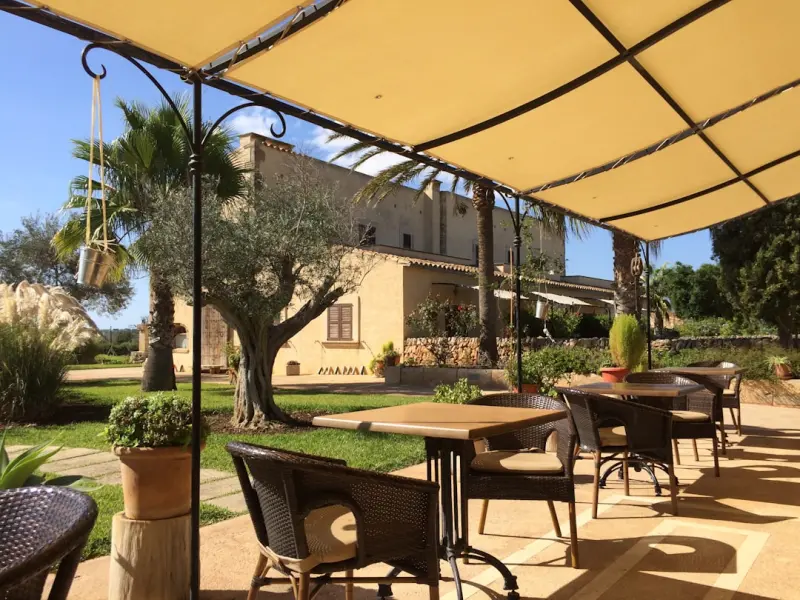
Beyond Shade: Turning Awnings into Outdoor Living Art
Learn to treat awnings as architectural statements—combining shade, style, and sustainability for ... Read More

The Sustainable Awning Revolution: Eco-Friendly Options for Your Home
Explore the world of sustainable awnings and learn how eco-friendly practices are changing the game.... Read More
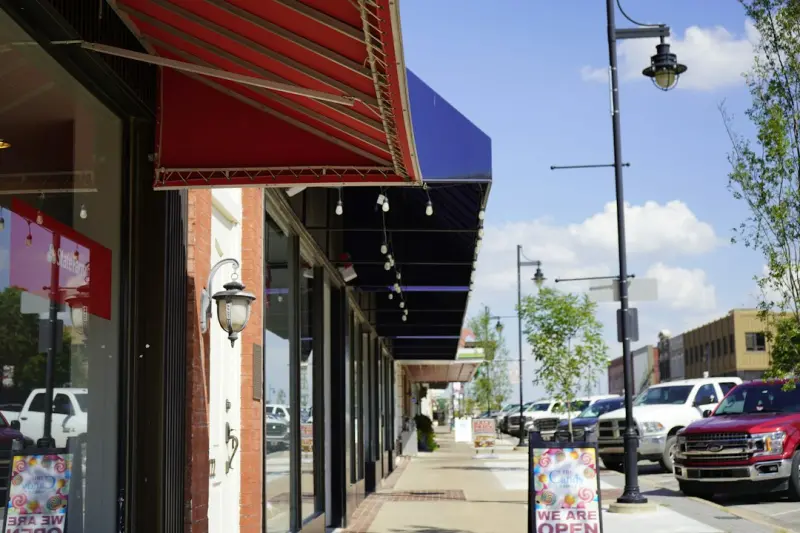
The Untapped Business Power of Smart Awnings
A deep dive into how smart, sustainable awnings transform storefronts into data‑driven branding as... Read More
Top Posts
Inside the Box: Mastering Your Home Electrical Panel for Safety and Efficiency
Learn to safely assess, label, and upgrade your home’s electrical panel. From spotting overload signs to adding smart breakers and EV‑ready circuits, empowe...Read More

Eco‑Smart Painting: Turning Walls into Sustainable, Connected Assets
Explore how low‑VOC paints, AI‑driven color selection, and conductive paint technology transform home painting into a sustainable, data‑rich practice that...Read More
The Evolution of Sustainable Flooring: A Greener Future for Your Home
Sustainable flooring is a critical component of a sustainable home. Learn about the evolution of sustainable flooring, eco-friendly options, and benefits for yo...Read More

Strategic Renovation Checklist: Building Future‑Ready Spaces
A deep‑dive strategic renovation checklist that moves beyond a simple to‑do list, integrating vision alignment, system integration, sustainable materials, a...Read More
0 Comments
Post Comment
You will need to Login or Register to comment on this post!