

Why Modern Decks Are the New Living Room
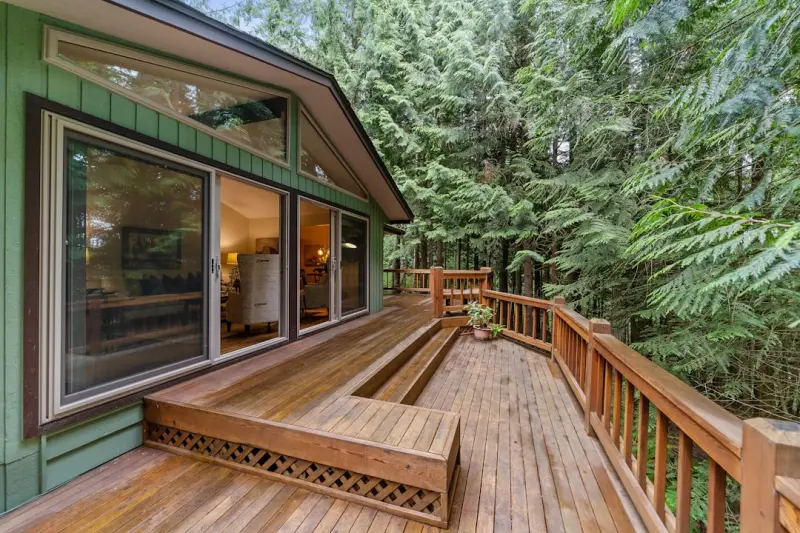
When I first sketched a deck for my own backyard, I imagined it as a simple platform for summer barbecues, but the vision quickly expanded into a year‑round sanctuary that blurs the line between indoor comfort and outdoor freedom. Today's decks are engineered with insulated panels, built‑in lighting, and smart weather sensors, turning them into extensions of the living room where you can stream movies, host virtual meetings, or simply unwind with a glass of wine as the sun sets. The integration of sustainable materials—recycled composites, responsibly harvested timber, and low‑VOC finishes—means that you’re not just adding square footage, you’re enhancing the ecological footprint of your home. By treating the deck as a true living space, you gain additional square footage that can boost resale value while offering a canvas for creativity, from built‑in planters that harvest rainwater to solar‑powered pergolas that adjust shade automatically.
The Smart Foundations: From Concrete to Composite
One of the most transformative trends I’ve embraced is the use of concrete as a silent hero beneath the decking surface, providing unparalleled stability and thermal mass that keeps the deck comfortable in both winter and summer; you can read more about its benefits in Concrete as the Silent Hero of Sustainable Smart Homes. While traditional wood decks rely on regular maintenance, modern composites incorporate recycled plastics and fibers that resist rot, splintering, and UV degradation, freeing you from endless sanding and sealing. Moreover, engineered decking systems now feature click‑lock joist designs that simplify installation and allow for hidden conduit pathways, so you can run low‑voltage lighting, speakers, and even irrigation controllers without unsightly surface disruptions. By pairing a solid concrete slab with a lightweight, high‑performance composite deck, you achieve a resilient platform that can bear heavy planters, hot tubs, and outdoor kitchens while staying cool underfoot on scorching days.
Design‑Build Mastery: Planning a Deck That Works for You
Before the first nail is driven, I always start with a clear “use‑case” map that outlines how each zone of the deck will serve the family’s lifestyle, from a kid‑proof play area to a chef‑inspired grill station equipped with smart temperature probes. This planning phase mirrors the methodology I detailed in Design‑Build Mastery: A Hands‑On Journey to Sustainable, Smart Living, where I emphasized the importance of aligning structural decisions with long‑term habits. By drafting a scaled layout, you can anticipate traffic flow, identify potential sight‑line issues, and allocate space for built‑in seating that incorporates storage for cushions and outdoor games. The next step involves selecting a decking material that matches your climate and aesthetic preferences; for coastal homes, a salt‑resistant composite prevents corrosion, while mountain retreats benefit from thermally insulated timber that stays warm in winter. Finally, integrating smart controls—such as automated shade sails that respond to humidity sensors—ensures that comfort is delivered without manual adjustments, turning your deck into a responsive, low‑maintenance haven.
Integrating Smart Comfort Features
One of the most exciting developments in deck design is the seamless inclusion of smart home technology that anticipates your needs before you even step outside. Imagine a deck that gently raises its pergola slats when the temperature climbs above 78°F, or a network of moisture sensors that trigger an under‑deck drainage system, preventing puddles from forming after a sudden rainstorm. These intelligent features are powered by low‑voltage wiring that can be concealed within the joist cavities, keeping the aesthetic clean while maintaining accessibility for future upgrades. Adding ambient LED lighting strips along the railing, controlled via voice assistants, creates a magical atmosphere for evening gatherings, and the same wiring can support integrated speakers that deliver high‑fidelity sound without cluttering the space with external boxes. By treating the deck as an extension of your smart ecosystem, you transform a simple outdoor platform into a fully automated retreat that enhances both convenience and energy efficiency.
Sustainable Materials: The Eco‑Friendly Edge
Choosing the right decking material is more than a design decision; it’s a commitment to the planet, and my own journey has taught me that the smallest choices can have the biggest impact. Recycled composite decking, made from post‑consumer plastics and reclaimed wood fibers, diverts waste from landfills while delivering a product that mimics the warmth of natural timber without the associated maintenance. For those who prefer a more traditional look, sustainably harvested hardwoods certified by the Forest Stewardship Council (FSC) provide a renewable option that supports responsible forestry practices. Pairing these decks with eco‑friendly finishes—such as water‑based stains low in volatile organic compounds—ensures that indoor air quality remains pristine, especially important for families with young children. Additionally, incorporating a green roof or vegetated railing system can further enhance biodiversity, creating habitats for pollinators and reducing stormwater runoff, turning your deck into a living, breathing component of the home’s environmental strategy.
Outdoor Living Zones: From Lounge to Culinary Studio
To truly capitalize on the deck’s potential, I recommend zoning the space into distinct functional areas that cater to both relaxation and entertainment, much like you would arrange rooms inside the house. A sun‑kennel lounge equipped with weather‑proof sectional sofas, plush cushions, and a fire pit that runs on bio‑ethanol can become the heart of evening conversations, while a nearby cooking zone featuring a built‑in grill, smart smoker, and countertop made from reclaimed concrete offers a culinary playground for food enthusiasts. Adding a compact bar with a refrigerated drawer for beverages, and integrating a touch‑screen control panel for lighting and music, brings the convenience of a indoor kitchen to the outdoors. These zones can be subtly separated by planter boxes filled with native shrubs, which not only provide visual privacy but also enhance the deck’s sustainability profile by supporting local ecosystems and reducing the heat island effect.
Maintenance Made Simple with Smart Tools
One of the biggest hurdles homeowners face with traditional decks is the ongoing battle against wear and tear, but smart maintenance tools are shifting that narrative dramatically. Robotic cleaners designed specifically for composite surfaces can glide across the deck, removing debris and applying a protective coating on a scheduled basis, reducing the need for manual scrubbing. Coupled with moisture‑detecting sensors embedded in the deck boards, you receive real‑time alerts on your smartphone if water accumulation exceeds safe thresholds, prompting pre‑emptive action before mold or rot can set in. Seasonal checks become a breeze when a single dashboard aggregates data from temperature, humidity, and structural strain sensors, offering actionable insights that prolong the deck’s lifespan. By leveraging these technologies, you transform maintenance from a chore into a proactive, data‑driven process that safeguards your investment while preserving the deck’s aesthetic appeal.
Future‑Proofing Your Deck for the Next Generation
Looking ahead, the most rewarding decks are those designed with adaptability in mind, ready to accommodate evolving lifestyles, emerging technologies, and shifting climate patterns. Incorporating modular decking sections that can be reconfigured as family needs change—whether that means expanding a play area for growing children or converting part of the space into a quiet meditation nook—ensures the deck remains relevant for decades. Planning for future upgrades, such as installing conduit pathways for upcoming 5G antennas or solar panels that power integrated lighting, eliminates the need for invasive retrofits later on. Moreover, selecting materials with proven durability against extreme weather—like UV‑stabilized composites and corrosion‑resistant hardware—provides peace of mind as climate variability becomes more pronounced. By embedding flexibility, durability, and smart infrastructure from the outset, you create a deck that not only enhances today’s quality of life but also stands as a resilient, sustainable legacy for the next generation.

David MacKinnon is a dynamic freelance writer known for his captivating storytelling and keen insights into the world of technology. With a passion for exploring the intersection of innovation and everyday life, he crafts engaging narratives that not only inform but also inspire his readers.
Related Posts

Reimagining the Deck: Adaptive Materials, Smart Tech, and Sustainable Design
A deep dive into the next generation of decks, covering adaptive systems, eco‑friendly materials, ... Read More
Turning Decks into Intelligent Outdoor Interfaces
Discover how to transform a traditional deck into an intelligent platform that monitors conditions, ... Read More

Living Climate Buffers: How Decks Can Modulate Temperature, Moisture, and Biodiversity
Decks can do more than host gatherings—they can become active climate buffers that capture solar h... Read More
Top Posts

Reviving Timeless Pieces: A Hands‑On Guide to Furniture Restoration
A detailed, hands‑on guide walks readers through assessing, repairing, and finishing old furniture, highlighting the economic, environmental, and creative ben...Read More

The Ultimate Guide to Floor Heating Systems: Benefits, Types, and Installation
Floor heating systems provide efficient and comfortable heat for homes. Learn about the different types, benefits, and installation requirements to choose the r...Read More

Reimagining Commercial Renovations: A People‑First Blueprint
Learn why modern office remodels must focus on employee wellness, flexibility, and sustainability to drive performance and strengthen brand identity....Read More

Rewilding the Front Yard: Turning Your Landscape into a Living Asset
A deep dive into rewilding residential yards—focus on soil health, layered planting, water management, and wildlife habitat—to create a low‑maintenance, h...Read More
0 Comments
Post Comment
You will need to Login or Register to comment on this post!