
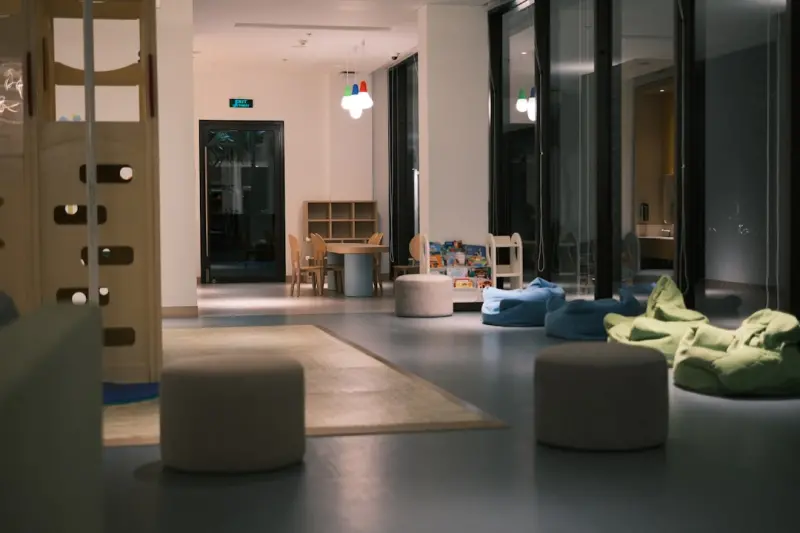
The Rise of Biophilic Interiors
Walking into a room that feels like a quiet forest can be a transformative experience, especially when city dwellers are craving a deeper connection to nature. I’ve learned that the magic lies not just in adding a few potted plants, but in weaving natural elements into the very DNA of a space—think living walls that breathe, reclaimed timber that tells a story, and water features that echo the soothing sounds of a brook. By treating light, texture, and even scent as design tools, we create environments that lower stress hormones, improve concentration, and invite occupants to linger longer, turning a simple living room into a restorative sanctuary where every breath feels intentional.
Color as a Silent Architect
Color is the most immediate emotional cue a room offers, yet many designers treat it as an afterthought rather than a structural component. From my perspective, a well‑chosen palette can shape perception of space, guide movement, and even influence mood without a single wall being moved. Warm terracotta can make a compact studio feel intimate, while soft blues can expand a high‑ceiling loft, encouraging calm and focus. Pairing muted neutrals with strategic splashes of bold hue creates a rhythm that mirrors natural light cycles, ensuring the space feels alive from sunrise to sunset.
Multisensory Layers: Beyond the Visual
Design that engages only the eyes is only half the story; the most memorable interiors stimulate touch, sound, and even taste. I often incorporate tactile fabrics—such as boucle or raw silk—that invite hands to linger, while acoustic panels crafted from recycled wood absorb unwanted chatter, fostering a sense of privacy. Scent diffusers using essential oils derived from local flora can subtly reinforce a room’s theme, whether it’s a citrus‑infused kitchen that energizes cooking or a lavender‑scented bedroom that eases sleep. By orchestrating these layers, the space becomes a holistic experience that resonates with the body as well as the mind.
Hybrid Workspaces: Merging Productivity with Comfort
As remote work solidifies its place in our daily routine, the home office is evolving from a functional nook into a curated environment that balances focus with relaxation. I recommend designing a “zone of flow” that separates the task area from a comfort corner—perhaps a sleek desk facing a window, paired with a low‑profile lounge chair and a small bookshelf for casual reading. Natural light should be maximized, and ergonomic furniture chosen not only for health benefits but also for aesthetic harmony with the surrounding décor. When the workspace feels like an extension of the living area rather than a jarring intrusion, creativity and productivity thrive in tandem.
Smart Lighting: Programming Mood and Energy
Modern lighting systems have become the silent conductors of interior narratives, allowing us to script how a room feels at any given hour. By integrating programmable LEDs with warm sunrise tones in the morning and cool, focused light during work hours, we can align indoor environments with our circadian rhythms. I often pair dimmable fixtures with motion sensors so that spaces respond intuitively to presence, creating a sense of welcome without manual adjustments. The subtle interplay of ambient, task, and accent lighting not only highlights architectural details but also reinforces the emotional tone we aim to set in each room.
Curating Personal Artifacts for Storytelling
Every object in a home tells a story, and when those stories are displayed deliberately, they become the soul of the interior. I encourage clients to select pieces that reflect personal journeys—travel souvenirs, heirloom textiles, or a hand‑crafted bowl from a local artisan—then arrange them in a way that guides the eye and sparks conversation. Rather than cluttering surfaces, thoughtful grouping on floating shelves or within curated gallery walls creates visual interest while preserving a sense of order. This approach transforms a generic living area into a living museum where each artifact contributes to a cohesive narrative.
Flexible Furniture: Adapting to Changing Needs
In an era where living spaces must accommodate everything from yoga sessions to pop‑up home theaters, furniture that can morph is essential. I favor modular sofas with removable sections, extendable dining tables, and collapsible room dividers that can be reconfigured on a whim. Such pieces not only maximize square footage but also empower residents to redefine their environment as lifestyle demands shift. When design embraces adaptability, it reduces the need for future renovations, fostering a sustainable mindset that aligns with contemporary living.
Integrating Sustainable Materials without Sacrificing Style
Eco‑friendly choices are no longer limited to raw, unfinished surfaces; they can be the cornerstone of sophisticated design. I often specify low‑VOC paints in muted earth tones, reclaimed stone countertops that exude luxury, and bamboo flooring that offers both durability and a warm aesthetic. By pairing these sustainable elements with high‑gloss finishes or sleek metal hardware, we achieve a balanced look that feels contemporary yet responsibly sourced. This marriage of sustainability and style demonstrates that ethical design can be both beautiful and aspirational, encouraging occupants to take pride in their environmentally conscious surroundings.
Designing for the Senses: A Holistic Checklist
To ensure every interior decision contributes to a cohesive experience, I employ a simple yet powerful checklist: visual harmony through color and proportion, tactile comfort via material selection, auditory balance with sound‑absorbing solutions, olfactory enhancement using subtle scents, and dynamic lighting that adapts to time of day. By reviewing each category during the planning phase, designers can catch inconsistencies early and craft spaces that feel intentionally orchestrated. This systematic approach not only streamlines the design process but also guarantees that the final environment resonates on multiple sensory levels, leaving a lasting impression on anyone who steps inside.

Lifan Chen is a freelancer based in Toronto specializing in marketing. With expertise in crafting effective marketing strategies and campaigns, Lifan helps businesses grow their brand presence and reach target audiences. As a Toronto-based freelancer, Lifan combines local market insights with creative marketing skills to deliver tailored solutions for clients.
Related Posts
Designing a Sustainable Smart Sanctuary: Trends That Transform Your Home
Explore how eco‑friendly materials, smart window treatments, and multifunctional furniture combine... Read More

Curating Quiet Corners: Acoustic Zoning for Modern Interiors
Explore the art of acoustic zoning—strategic design techniques, material selections, and smart sen... Read More
Turning Rooms into Storytelling Canvases: The Art of Curating Personal Narrative Spaces
Learn to transform each room into a chapter of your life, using purposeful design choices, sustainab... Read More
Top Posts

Quiet Comfort: Simple Acoustic Upgrades Every Homeowner Can DIY
Learn how to transform noisy rooms into peaceful havens with low‑cost, hands‑on acoustic upgrades—from sealing door gaps and adding rugs to DIY wall panel...Read More

Soil Symphony: Unlocking Hidden Tree Health with Underground Allies
Explore the unseen world beneath your trees—learn to read soil signals, boost microbial allies, and use simple tech tools to keep your canopy thriving....Read More

Revolutionizing Energy Inspection: A Human‑First, Data‑Driven Approach
A human‑first, data‑driven energy inspection framework turns traditional checklists into dynamic conversations, integrates edge sensors, occupancy analytics...Read More

The Ultimate Guide to Foundation Repair: A Comprehensive Overview
Foundation repair is crucial for maintaining the stability and longevity of your home. Learn about common causes of foundation damage, signs of foundation probl...Read More
0 Comments
Post Comment
You will need to Login or Register to comment on this post!