
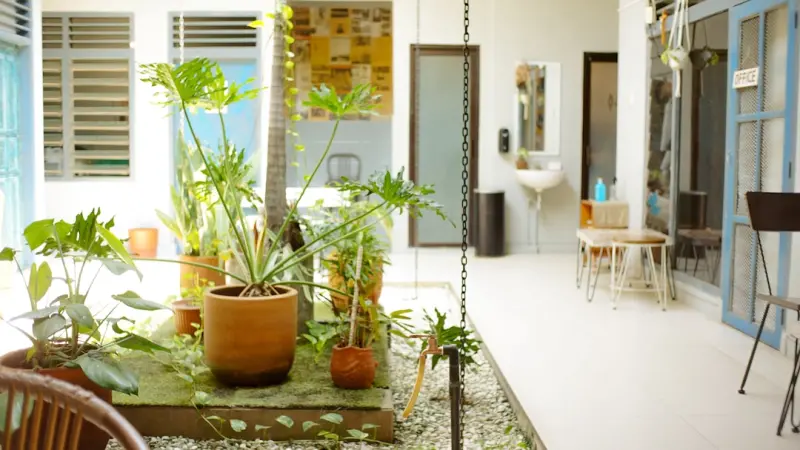
Why Biophilic Design Is More Than a Trend
Biophilic design isn’t just a decorative fad; it’s a purposeful strategy that re‑establishes the innate human connection to the natural world by weaving living elements, organic textures, and nature‑inspired forms directly into the fabric of interior spaces, and this reconnection has been shown to lower cortisol levels, boost mood, and even improve cognitive performance, making homes feel more restorative after a long day; the approach leverages the brain’s evolutionary wiring to respond positively to natural cues, turning ordinary rooms into therapeutic environments that nurture both body and mind, while also increasing property appeal for buyers who value wellness‑centric living spaces.
The Science Behind the Serenity
Researchers in environmental psychology have documented that exposure to natural stimuli—whether through a leafy plant, a view of a tree line, or the gentle sound of water—triggers the parasympathetic nervous system, which slows heart rate, reduces blood pressure, and creates a sense of calm that persists long after the visual cue is removed, and because modern homes often lack direct access to outdoor vistas, integrating biophilic elements compensates for that deficit, providing a built‑in antidote to the overstimulation of digital media and open‑plan chaos; this physiological response translates into measurable benefits such as improved sleep quality, heightened focus during work‑from‑home hours, and a stronger immune response.
Choosing the Right Green Companions
When selecting plants for indoor environments, it’s essential to balance aesthetic appeal with maintenance practicality, opting for species like snake plant, ZZ plant, or pothos that thrive in low‑light conditions, require minimal watering, and actively filter airborne pollutants, thereby enhancing air quality while adding a touch of verdant elegance; placement strategy matters as well—grouping plants of varying heights creates visual layers that mimic forest understories, and positioning taller specimens near windows maximizes natural light exposure, which not only supports photosynthesis but also accentuates the room’s architectural features; remember that the soil medium and pot material should complement the overall design palette, using terracotta or woven baskets to reinforce the organic narrative.
Natural Materials as the Design Backbone
Incorporating raw, unprocessed materials such as reclaimed timber, river‑washed stone, and woven bamboo can instantly anchor a space in nature’s authenticity, providing tactile richness that synthetic finishes simply cannot emulate, and these materials also age gracefully, developing patinas that tell a story over time, which aligns perfectly with a sustainable mindset that values durability over disposability; for example, a live‑edge wood dining table becomes a focal point that invites conversation while echoing the irregular beauty of a forest floor, and a stone accent wall can serve both as a visual anchor and a subtle thermal regulator, storing heat during the day and releasing it at night, thereby contributing to energy efficiency.
Harnessing Light and Views for Indoor‑Outdoor Flow
Maximizing natural daylight is a cornerstone of biophilic interiors, as sunlight not only illuminates spaces but also regulates circadian rhythms, influencing mood and productivity; strategic placement of large, unobstructed windows, skylights, or glass doors creates seamless visual connections to the surrounding landscape, and framing those views with simple, low‑profile window treatments ensures the eye remains drawn outward rather than distracted by heavy drapery; when exterior vistas are limited, consider using interior glass partitions or mirrored surfaces to bounce light deeper into the room, effectively expanding the perceived space and reinforcing the illusion of an outdoor extension.
Integrating Water Features for Auditory Calm
Water has a unique capacity to soothe the senses, and incorporating subtle indoor water elements—such as a minimalist tabletop fountain, a wall‑mounted cascade, or a compact aquaponic system—introduces gentle, rhythmic sounds that mask urban noise and promote relaxation, while also adding a dynamic visual component that changes with light and movement; these installations can be tailored to fit any scale, from a sleek stainless‑steel fountain in a home office to a serene koi pond in a sunroom, and when paired with surrounding stone or pebbles, they reinforce the natural theme, creating a multisensory experience that deepens the biophilic impact.
Nature‑Inspired Color Palettes and Paint Choices
Choosing hues that reflect the natural world—think muted sage greens, earthy terracotta, soft sky blues, and warm sand tones—helps reinforce the biophilic narrative, and these colors can be amplified by thoughtful paint applications that highlight texture and depth, such as a matte finish on a reclaimed wood accent or a low‑gloss wash on a stone veneer; for guidance on selecting pigments that both complement organic materials and enhance spatial perception, explore the insights offered in Strategic Paint Choices that Transform Your Home, where experts outline how subtle variations in saturation and undertone can make a room feel more expansive, inviting, and in harmony with its natural accents.
Flooring as a Grounding Element
The floor is the literal foundation of any biophilic space, and opting for natural surface treatments—such as wide‑plank reclaimed hardwood, cork, bamboo, or polished concrete with embedded river stones—creates a tactile connection to the earth that supports the overall design intent while offering durability and comfort underfoot; these materials not only echo the textures found outdoors but also contribute to indoor air quality and acoustic dampening, fostering a quieter, healthier environment; for a deeper dive into how specific flooring selections influence well‑being, health, and home identity, see Flooring Fundamentals: How Your Choice Shapes Comfort, Health, and Home Identity, which breaks down the performance benefits of each option.
Practical Steps to Bring the Outdoors In
Implementing biophilic design doesn’t require a full‑scale renovation; start by assessing the light patterns in each room and introducing a few well‑chosen plants near windows, then gradually replace synthetic décor with natural material alternatives—swap a plastic side table for a reclaimed wood bench, introduce a stone countertop backsplash, or lay a jute rug to add texture; next, enhance the auditory environment with a small water feature, and finally, refine the color scheme using nature‑derived palettes, ensuring each element feels intentional and cohesive; by approaching the transformation in incremental phases, homeowners can manage budget constraints while progressively building a living space that nurtures both aesthetic pleasure and holistic well‑being.

David MacKinnon is a dynamic freelance writer known for his captivating storytelling and keen insights into the world of technology. With a passion for exploring the intersection of innovation and everyday life, he crafts engaging narratives that not only inform but also inspire his readers.
Related Posts
Listening to Spaces: The Quiet Power of Sound, Color, and Texture in Interior Design
Discover why interior design now hinges on more than visual appeal. This article reveals how soundsc... Read More
Designing a Sustainable Sanctuary: Interior Trends that Transform Your Home
Discover how to blend style, sustainability, and smart technology in interior design, creating a hom... Read More

Lighting as Narrative: Crafting Mood with Layered Light
Explore the power of layered lighting—ambient, task, and accent—to create mood, support function... Read More
Top Posts

Quiet Zones: Turning Noise‑Heavy Offices into Productivity Hubs with High‑Performance Windows and Doors
A deep dive into how modern acoustic glass, sealed frames, and solid‑core doors can reduce office noise, enhance productivity, and align with sustainability g...Read More

Transforming a Simple Garage into a Sustainable Multi‑Purpose Haven
A hands‑on guide to turning a basic garage into a sustainable, multi‑purpose haven, featuring eco‑friendly materials, smart technology, and design strateg...Read More

The Benefits of Sustainable Landscaping: A Path to Environmental Stewardship
Sustainable landscaping is more than just a trend; it's a critical approach to maintaining a healthy and thriving outdoor space. Learn how to create an eco-frie...Read More

The Rising Importance of Energy Inspections in Sustainable Homeownership
Energy inspections are evolving from simple checklists to strategic tools that blend tech, sustainability, and cost‑saving measures—learn how to turn audit ...Read More
0 Comments
Post Comment
You will need to Login or Register to comment on this post!