

Bringing the Outdoors In: How Biophilic Design is Transforming Modern Homes
When I first walked into a client’s living room and saw a single, sprawling fern perched atop a reclaimed‑wood side table, I felt a shift. It wasn’t just the greenery; it was the way the space seemed to breathe. That moment sparked a deep dive into biophilic design—the art and science of weaving natural elements into our interiors to nurture both body and mind. In an era where remote work blurs the line between home and office, and where we spend more hours indoors than ever before, this design philosophy is no longer a niche trend. It’s becoming a cornerstone of healthy, engaging living environments.
Why Biophilic Design Matters More Than Ever
Our ancestors evolved surrounded by forests, water, and open skies. Modern architecture, however, often cages us in glass, steel, and artificial lighting. This disconnect can manifest in everything from reduced concentration to heightened stress levels. Studies in environmental psychology show that exposure to natural elements—whether a view of a tree line or the tactile feel of a stone countertop—can lower cortisol, boost creativity, and even improve sleep quality. By intentionally integrating these cues, we’re not just decorating; we’re curating an experience that supports human well‑being.
Core Elements of Biophilic Interiors
- Natural Light: Maximizing daylight reduces reliance on harsh artificial lighting and aligns our circadian rhythms.
- Living Materials: Plants, water features, and natural textures bring kinetic energy into static spaces.
- Organic Forms: Curved lines and asymmetrical shapes echo the irregularity of nature.
- Nature‑Inspired Color Palettes: Earthy greens, muted blues, and warm terracotta create a soothing backdrop.
- Sensory Stimulation: Incorporating scent (e.g., cedar, lavender), sound (soft water flow), and touch (rough stone, smooth wood) engages all senses.
Getting Started: A Step‑by‑Step Blueprint
Adopting biophilic principles doesn’t require a full‑scale renovation. Below is a practical roadmap that balances ambition with budget.
- Audit Your Space – Walk through each room and note where natural light enters, which walls lack visual interest, and any existing architectural features that could be highlighted.
- Choose a Focal Point – Decide on a primary natural element (a large plant, a stone accent wall, or a water feature) that will anchor the design.
- Layer Textures – Pair a plush, linen sofa with a reclaimed‑wood coffee table and a woven jute rug. The juxtaposition of soft and rugged creates depth.
- Integrate Greenery – Start small with tabletop succulents, then scale up to floor‑standing fiddle‑leaf figs or a vertical garden. Remember, live‑edge woodworking pieces can serve as perfect planters, adding an organic silhouette.
- Play with Light – Use sheer curtains to diffuse sunlight, install dimmable LEDs that mimic sunrise/sunset, and consider smart paint innovations that adjust hue based on time of day.
- Incorporate Water – A tabletop fountain or a wall‑mounted water cascade introduces soothing sounds without overwhelming the space.
- Embrace Technology Wisely – While the goal is to feel natural, tech can enhance comfort. AI‑driven spatial planning tools can help you visualize how a plant wall will affect traffic flow before you commit.
Case Study: A Biophilic Home Office That Works
One of my recent projects was a compact home office in a city apartment. The client, a graphic designer, struggled with focus and frequent migraines. Here’s how we turned the space around:
- Light Optimization: We replaced a harsh fluorescent fixture with a daylight‑simulating LED panel positioned opposite a large window, instantly lifting mood.
- Living Wall: A modular moss panel covered an entire side wall, providing a subtle, low‑maintenance green backdrop that reduced eye strain.
- Material Harmony: The desk was crafted from reclaimed pine with a live‑edge edge, echoing the organic feel of the moss.
- Acoustic Balance: A soft, wool rug and acoustic panels made from recycled denim softened ambient noise, creating a quiet cocoon.
- Smart Integration: Using smart paint that shifts from a calm teal in the morning to a deeper navy in the evening helped cue the client’s work–rest cycles.
After six weeks, the client reported a 40% increase in productivity and a noticeable drop in migraine frequency. The space didn’t just look better—it functioned better.
Choosing the Right Plants: From Low‑Maintenance to Statement Pieces
Plants are the heart of biophilic design, but not all greens are created equal. Consider the following categories based on light, care, and impact:
Low‑Light Heroes
- Snake Plant – Tolerates neglect, purifies air.
- ZZ Plant – Thrives in dim corners, sleek foliage.
- Philodendron – Adaptable, trailing vines add softness.
Sun‑Loving Statements
- Fiddle‑Leaf Fig – Tall, sculptural presence; needs bright, indirect light.
- Monstera Deliciosa – Bold leaf perforations create visual intrigue.
- Bird of Paradise – Adds an exotic, tropical flair.
Air‑Purifying Powerhouses
- Peace Lily – Elegant white blooms, excellent toxin removal.
- Aloe Vera – Soothing gel for skin; thrives in sunny spots.
- Boston Fern – Lush fronds, high humidity tolerance.
When selecting plants, remember to factor in the room’s humidity, temperature fluctuations, and the homeowner’s schedule. A well‑chosen plant can become a living artwork that evolves with the space.
Materials That Whisper Nature
Beyond flora, the tactile qualities of materials play a crucial role. Here are some go‑to options:
- Reclaimed Wood – Each grain tells a story; perfect for beams, shelves, and flooring.
- Natural Stone – Marble, slate, or river rock add weight and authenticity.
- Rattan & Wicker – Light, woven textures for furniture and lighting fixtures.
- Organic Fibers – Linen, hemp, and cotton in upholstery and drapery create breathability.
Pairing these with modern finishes—like matte black metal or brushed brass—creates a dialogue between the past and the present, a hallmark of sophisticated biophilic interiors.
Technology Meets Nature: The Balanced Approach
Critics sometimes claim that tech and nature are mutually exclusive. In reality, smart solutions can amplify biophilic intent. For instance, AI‑driven spatial planning can simulate how daylight will shift across seasons, allowing designers to position workstations for optimal natural light exposure. Similarly, smart paint that reacts to humidity levels can help maintain ideal indoor climate for both plants and occupants.
When used responsibly, technology acts as an invisible hand, fine‑tuning the environment without stealing the spotlight from the natural elements themselves.
Budget‑Friendly Biophilic Hacks
Thinking that a biophilic makeover requires a fortune? Think again. Here are inexpensive ways to inject nature into any room:
- DIY Terrariums – Reuse glass jars, add a layer of pebbles, charcoal, soil, and a small succulent.
- Nature‑Inspired Art – Frame pressed leaves, botanical prints, or abstract watercolors.
- Branch Shelving – Secure a sturdy branch to the wall and use it as a rustic floating shelf.
- Eco‑Friendly Rugs – Look for jute or sisal options that feel grounded underfoot.
- Window Boxes – Install shallow boxes on window sills for herbs—functional and fragrant.
These small gestures add up, creating a layered, immersive experience that feels intentional rather than forced.
Measuring Success: How to Evaluate a Biophilic Space
Beyond aesthetic appeal, a truly successful biophilic design should be quantifiable. Consider these metrics:
- Occupant Feedback – Conduct surveys on mood, concentration, and overall satisfaction.
- Air Quality – Use portable monitors to track VOC levels before and after introducing plants.
- Energy Consumption – Compare lighting and HVAC usage; natural light and passive cooling often reduce costs.
- Productivity Data – For home offices, track work output or time‑on‑task.
When numbers align with the intuitive feeling of well‑being, you’ve hit the sweet spot of biophilic design.
Future Trends: Where Biophilic Design Is Heading
The next wave will see deeper integration of bio‑responsive elements—materials that change color with humidity, walls that grow living moss, and AI that adjusts lighting based on the occupants’ circadian rhythms. Imagine a living ceiling that drifts from sunrise gold to twilight indigo, all while subtly releasing calming aromatics.
While we’re still on the cusp of these innovations, the foundational principles remain timeless: bring the outdoors in, honor natural rhythms, and create spaces that nurture the human spirit.
Final Thoughts: Your Invitation to Rewild Your Home
Design is a conversation between the inhabitant and their environment. By inviting nature to the dialogue, we transform ordinary rooms into sanctuaries that heal, inspire, and adapt. Whether you start with a single plant or a full‑scale material overhaul, each step you take toward biophilic design is a step toward a healthier, more vibrant life.
If you’re ready to explore how these concepts can be tailored to your specific space, let’s connect. Together, we’ll craft an interior that feels like a breath of fresh air—every single day.

Kelly Reynolds is a dynamic freelance writer hailing from the picturesque landscapes of Alberta. A master of the written word, she juggles her passion for storytelling with the exhilarating chaos of being a mother to five spirited children. With an impressive portfolio that spans various genres, Kelly captivates readers through her engaging blog posts and thought-provoking articles.
Related Posts

Revamping Your Home's Aesthetic: A Comprehensive Guide to Interior Design
Discover the art of interior design and learn how to revamp your home's aesthetic with our expert gu... Read More
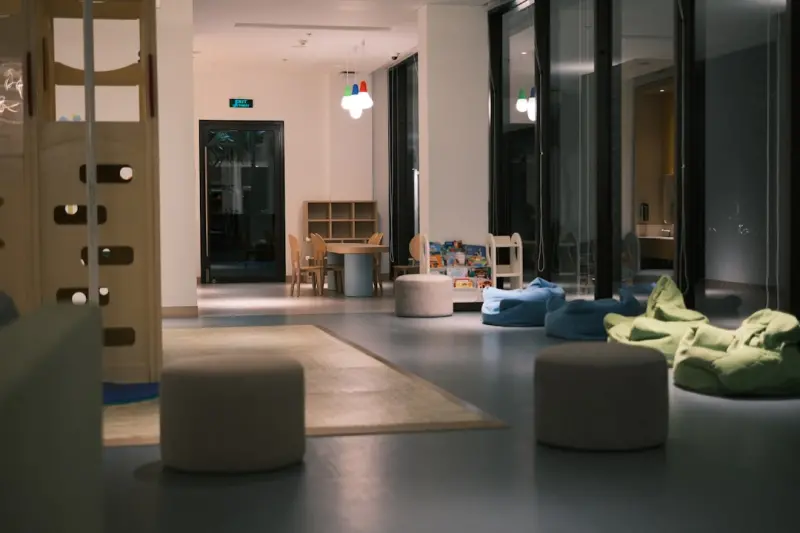
Designing Spaces That Breathe: A Multisensory Approach to Modern Interiors
Discover a fresh interior design philosophy that blends nature, color psychology, smart lighting, an... Read More
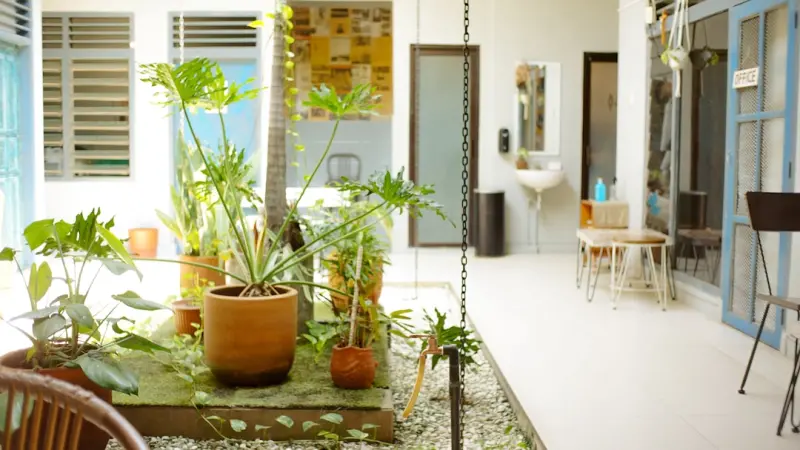
Biophilic Design: Bringing the Outdoors Inside for Healthier Living
Explore the power of biophilic design—integrating plants, organic textures, and natural light—to... Read More
Top Posts

Sustainable Permeable Pavement: A Practical Guide for Resilient Sites
Permeable paving is more than a trend; it’s a climate‑smart solution that reduces storm‑water runoff, mitigates urban heat islands, and offers long‑term...Read More

Reviving Your Home's Former Glory: A Comprehensive Guide to Sustainable Home Restoration
Sustainable home restoration is about creating a living space that's not only beautiful but also sustainable and energy-efficient. Learn how to revive your home...Read More
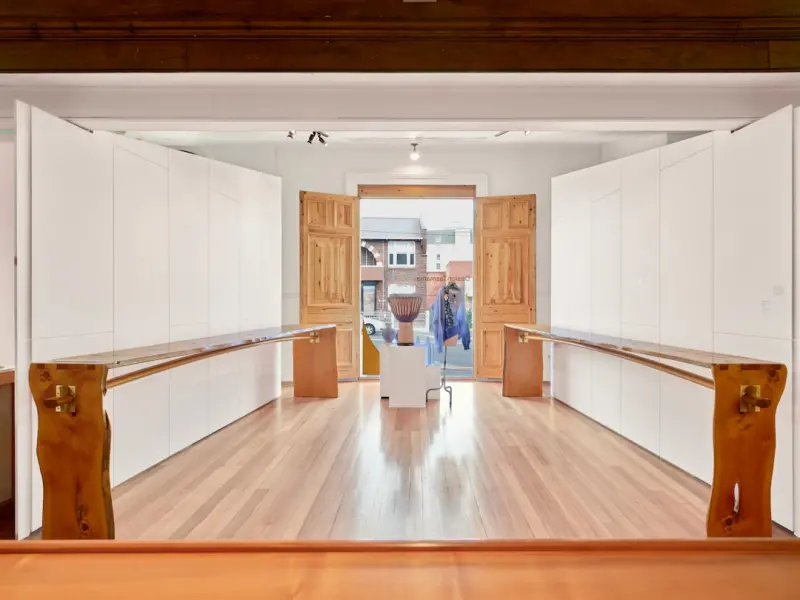
Design‑Build Strategies for Adaptive Living Spaces
Learn the secrets to building homes that grow with you, from modular walls to multipurpose furnishings, ensuring your space stays functional and stylish through...Read More
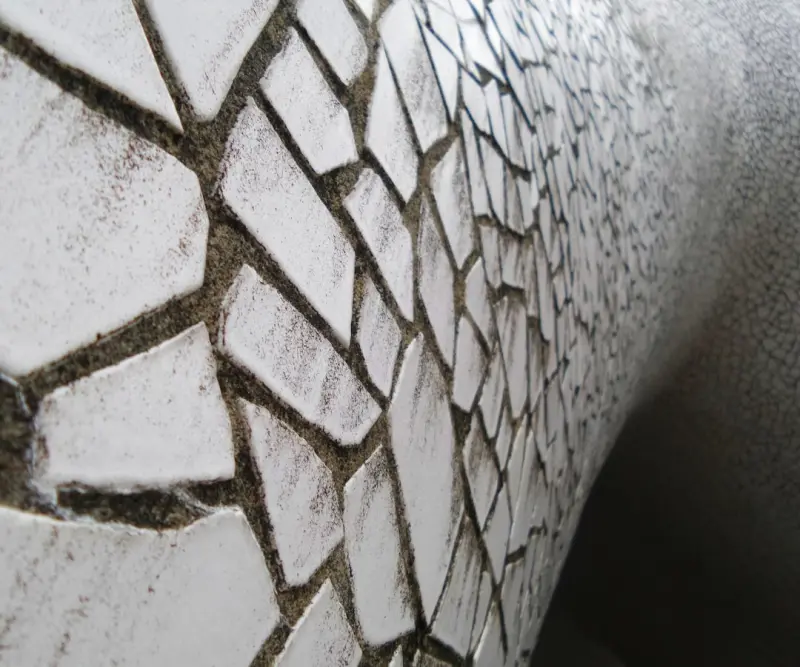
Upcycling Tiles: Turning Breakage into Bold Design
Learn practical steps, creative ideas, and cost‑saving tips for turning broken or surplus tiles into beautiful mosaics, backsplashes, and custom surfaces—tu...Read More
0 Comments
Post Comment
You will need to Login or Register to comment on this post!