
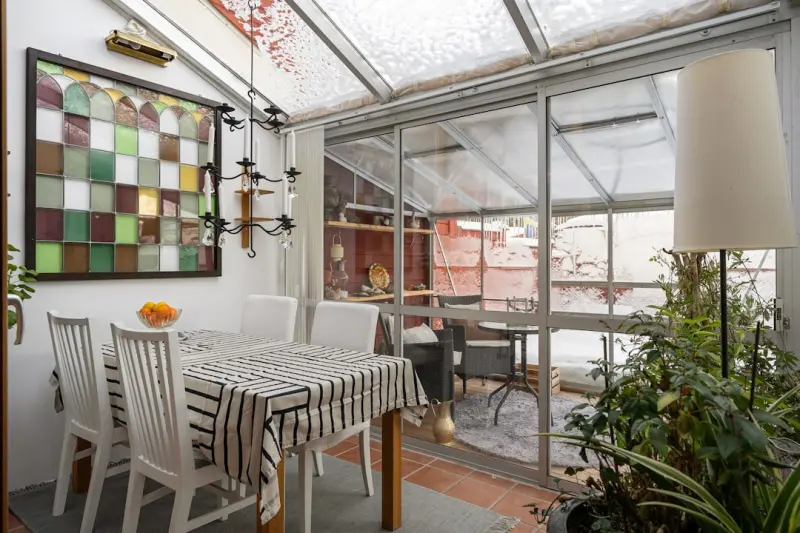
Why Sunrooms Deserve a Seat at the Executive Table
When most facility managers think about strategic assets, they picture data centers, HVAC systems, or even the roof‑top solar array. Yet, there’s a quiet, light‑filled champion that often slips under the radar: the sunroom. I’ve spent a decade turning ordinary spaces into performance‑driven environments, and the sunroom consistently surprises me with its ability to blend aesthetics, energy efficiency, and human‑centric design into a single, high‑impact package.
From Decorative Nook to Quantifiable Asset
Traditionally, sunrooms have been marketed as “add‑ons” for leisure—places to sip coffee while the morning light streams in. That narrative is changing. By treating a sunroom as a functional envelope rather than a decorative afterthought, you unlock measurable benefits:
- Energy Savings: Harnessing passive solar gain reduces heating loads in colder months.
- Occupant Wellness: Natural daylight improves mood, reduces eye strain, and can boost productivity by up to 15% according to recent workplace studies.
- Space Flexibility: A well‑designed sunroom can morph into a meeting hub, quiet zone, or even a showcase for product demos.
When you start assigning dollars and data points to these outcomes, the sunroom moves from a “nice‑to‑have” to a “must‑have” in the facility‑strategy playbook.
Passive Solar Harvesting: The Low‑Cost Energy Engine
Sunrooms sit at the intersection of architecture and physics. The south‑facing glass acts like a giant collector, capturing solar radiation and converting it into heat. By integrating high‑performance glazing with strategic overhangs, you can:
- Reduce winter heating demand by 10‑20%.
- Maintain comfortable interior temperatures without over‑relying on the primary HVAC system.
- Store excess heat in thermal mass (think concrete or stone floors) for release when the sun dips.
This passive approach is a direct complement to the broader Solar Energy as a Strategic Infrastructure Layer for Modern Enterprises narrative, but it’s tailored to the micro‑scale of a building’s envelope rather than the macro‑scale of rooftop arrays.
Smart Glazing: When Glass Gets Intelligent
Passive design is powerful, but the next frontier lies in responsive glazing. Modern electrochromic glass can tint on demand, reacting to solar intensity, interior temperature, or even occupancy patterns. Pair this with AI‑driven analytics, and your sunroom becomes a self‑optimizing climate zone.
Take a look at AI Meets Glass for a deep dive on how data streams inform real‑time glass behavior. In a sunroom, the same technology can:
- Prevent overheating in summer while still admitting abundant daylight.
- Coordinate with blinds and HVAC to keep energy consumption flat.
- Feed occupancy data back to building management systems, informing space‑utilization metrics.
The result is a room that feels intuitively comfortable, while the backend system logs temperature curves, daylight levels, and energy offsets—data you can translate into cost savings reports for leadership.
Wellness and Productivity: The Human Side of Light
Beyond the hard numbers, sunlight is a potent driver of human performance. Our circadian rhythms are synced to natural light, and a sunroom provides an uninterrupted conduit for that rhythm to flow. Employees who have access to daylight report:
- Lower stress levels and reduced fatigue.
- Higher satisfaction with their work environment.
- Improved focus during collaborative sessions.
In the context of a modern office, a sunroom can serve as a “reset zone” where teams step away from screens, recharge, and return with fresh perspectives. It’s a low‑tech antidote to digital overload, and the ROI is reflected in reduced turnover and higher engagement scores.
Designing for Seasonal Flexibility
A sunroom doesn’t have to be a static enclosure. By employing modular wall panels, operable skylights, and retractable screens, you can adapt the space to the seasons:
- Winter: Seal the envelope, activate thermal mass, and let the sunroom act as a supplemental heater.
- Spring/Autumn: Open the skylights, invite breezes, and use the space as a casual meeting area.
- Summer: Deploy reflective screens, engage electrochromic tinting, and transform the room into a cool, bright lounge.
These strategies dovetail nicely with the principles outlined in Predictive HVAC, where the system anticipates temperature shifts and pre‑conditions spaces. The sunroom becomes a proactive node in that predictive network, reducing the workload on central plant equipment.
Future‑Proofing with Modular Infrastructure
Investing in a sunroom today shouldn’t lock you into a single configuration forever. Consider the following future‑proofing tactics:
- Modular framing: Aluminum or engineered wood panels that can be re‑arranged as the organization’s spatial needs evolve.
- Integrated sensor grid: Embed temperature, humidity, CO₂, and occupancy sensors during construction; they can later feed data to a facility‑wide IoT platform.
- Plug‑and‑play power rails: Provide flexible electricity and data conduits so that workstations, AV equipment, or charging stations can be added without major rewiring.
- Scalable shading solutions: From motorized louvers to retractable fabric canopies, ensure you can augment or downgrade shading as climate patterns shift.
These modular choices not only extend the lifespan of the sunroom but also align it with the broader trend of adaptable building assets—a theme echoed across many of our recent posts.
Case Snapshot: A Tech Startup’s Sunroom Turnaround
Last quarter, I consulted for a fast‑growing SaaS startup that had a modest three‑by‑four‑meter sunroom perched atop their office floor. Initially, it was an underutilized lounge that gathered dust. Here’s what we did:
- Installed electrochromic glazing: Reduced summer cooling loads by 12%.
- Added a thermal mass floor: Captured winter sun, cutting auxiliary heating demand by 8%.
- Implemented a sensor suite: Monitored daylight levels and fed data to their existing building management system, enabling predictive HVAC adjustments.
- Reconfigured layout: Introduced modular desks and acoustic panels, turning the space into a flexible “brainstorm hub.”
Within six months, the company reported a measurable uptick in team collaboration metrics and a 5% reduction in overall facility energy use—a win that was highlighted in their quarterly sustainability report.
Practical Steps to Elevate Your Sunroom
If you’re convinced that the sunroom belongs in your strategic toolkit, follow this roadmap:
- Audit the Existing Envelope: Measure glazing performance, assess insulation, and identify thermal bridges.
- Define Primary Use Cases: Is the focus on employee wellness, client showcase, or energy offset? This will drive design decisions.
- Choose Smart Glazing Options: Evaluate electrochromic vs. low‑E coatings based on climate and budget.
- Integrate Sensors Early: Temperature, light, occupancy, and CO₂ sensors lay the groundwork for data‑driven optimization.
- Plan for Modularity: Select structural components that can be reconfigured without demolition.
- Leverage Existing Platforms: Connect the sunroom’s data streams to your building management or IoT dashboard for unified reporting.
- Iterate and Refine: Use the collected data to tweak shading schedules, HVAC setpoints, and occupancy policies.
By treating the sunroom as a living, data‑rich asset, you not only improve the immediate environment but also generate insights that can inform broader facility strategies.
Conclusion: Light as a Lever for Competitive Edge
Sunrooms have evolved from decorative add‑ons into sophisticated, multifunctional assets that blend passive solar design, intelligent glazing, and wellness‑centric architecture. When you align them with predictive climate controls and modular construction, they become a tangible lever for cost savings, employee satisfaction, and brand differentiation. In a world where every square foot is scrutinized for performance, the sunroom stands out as a bright spot—literally and figuratively—that can power both your building’s efficiency and your organization’s strategic goals.

William Roy is a freelance writer originally from Montreal who moved to Ottawa with his wife of 50 years to be closer to their grandkids. Alongside his writing, William has a passion for fishing.
Related Posts

Sunroom Renaissance: Designing Health‑Focused Hybrid Spaces
A deep dive into creating sunrooms that serve as wellness hubs, remote‑work studios, and sustainab... Read More

Turning Sunrooms into Year-Round Productivity Hubs
Learn practical design, technology, and ergonomic strategies to convert a seasonal sunroom into a ye... Read More
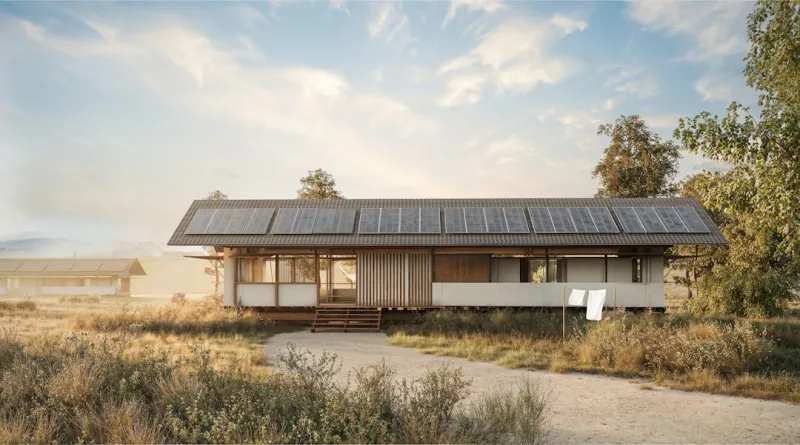
The Rise of Sunrooms: A Sustainable Solution for Modern Homes
Sunrooms are a sustainable solution for modern homes, providing a bright and airy space to relax and... Read More
Top Posts

The Hidden Costs of DIY Appliance Repair and When to Call a Pro
DIY appliance repairs can lead to hidden expenses and safety risks. Learn the red flags and preventive steps to keep your home running smoothly....Read More
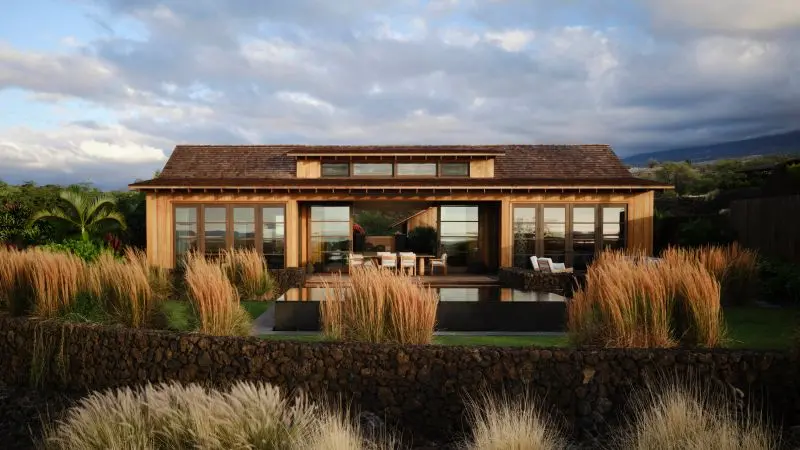
When Your Roof Becomes a Storytelling Canvas: Design, Sustainability & Personal Flair
Explore the art of roofing beyond protection—learn to blend color, eco‑friendly materials, and tech tools into a stylish, sustainable roof that tells your h...Read More

The Strategic ROI of Proactive Carpet Care: Extending Life, Boosting Performance, and Driving Sustainability
Explore how a proactive, data‑driven carpet‑care program can extend asset life, enhance acoustic performance, and align with ESG targets, turning routine cl...Read More
Concrete as a Brand‑Defining Asset: From Color to Data
Explore how modern businesses can transform concrete from a passive foundation into a dynamic brand asset using integrated color, rapid modular formwork, and em...Read More
0 Comments
Post Comment
You will need to Login or Register to comment on this post!