
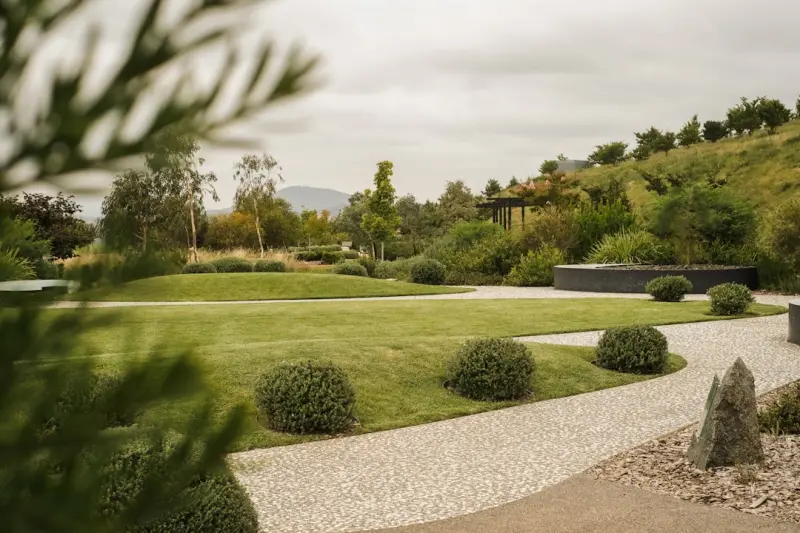
When most homeowners think about landscaping, they picture a manicured lawn, a few ornamental shrubs, and maybe a stone patio that doubles as a place for weekend barbecues. I’ve spent over two decades turning backyards into ecosystems that feed, shelter, and inspire. What if we flipped the script? Instead of treating the yard as a decorative afterthought, what if we designed it as a living edge—a dynamic interface where your home, the garden, and the surrounding wildlife converse every day?
Why a Habitat‑First Approach Matters
Urban sprawl has fragmented natural habitats, leaving pollinators, birds, and beneficial insects scrambling for safe foraging grounds. By re‑imagining your yard as a habitat first, you’re not just adding aesthetic value—you’re actively restoring ecological balance. The payoff is twofold: a thriving, low‑maintenance garden that reduces the need for chemical inputs, and a tangible contribution to biodiversity that can be measured in hummingbird visits, beetle diversity, and even improved soil carbon capture.
Step 1: Map Your Microclimates
Every yard is a mosaic of microclimates—sun‑soaked corners, shady understories, wind‑swept edges, and damp low‑lying spots. Grab a notebook, a compass, and spend a week observing temperature fluctuations, wind patterns, and moisture levels at different times of day. Documenting these nuances lets you place plants where they naturally belong, dramatically cutting water use and maintenance.
- Sunny South‑Facing Zones: Ideal for Mediterranean herbs, dwarf fruit trees, and heat‑tolerant perennials.
- Cool, Shaded Nooks: Perfect for ferns, hostas, and shade‑loving wildflowers that attract early‑season pollinators.
- Moisture‑Rich Low Areas: Great for native sedges, rushes, and amphibian‑friendly water‑tolerant grasses.
- Wind‑Exposed Ridges: Use hardy, low‑growth groundcovers that buffer wind and protect more delicate species.
Understanding these zones lets you move beyond the one‑size‑fits‑all “plant everything in the sun” mentality and toward a design that works with nature, not against it.
Step 2: Choose Native Plants That Play Well Together
Native flora have co‑evolved with local fauna, offering nectar, pollen, seeds, and shelter that exotic ornamentals simply can’t match. Here’s a quick cheat sheet for a typical temperate climate:
- Early Spring: Serviceberry, willow herb, and prairie clover provide the first burst of nectar for emerging bees.
- Mid‑Summer: Black-eyed Susan, coneflower, and bee balm keep pollinators busy while drawing butterflies and hummingbirds.
- Late Fall: Asters, goldenrod, and viburnum berries give birds the fuel they need for migration.
Mixing species that bloom sequentially ensures a continuous food source, turning your yard into a reliable pit stop for pollinators throughout the growing season.
Step 3: Layer Your Landscape Like a Forest Floor
Natural ecosystems thrive on vertical stratification—canopy, understory, shrub layer, herbaceous layer, and groundcover. Replicating this structure in a suburban yard creates habitat niches and visual depth. Think of it as building a living, breathing storybook where each layer tells a different chapter.
Start with a modest canopy of dwarf fruit trees or ornamental crabapples. Beneath, intersperse shrubs such as red‑bud dogwood or hazelnut. Below that, add perennials and grasses. Finally, blanket the ground with low‑growth clovers or creeping thyme that not only suppresses weeds but also offers nectar for low‑flying insects.
Step 4: Integrate Water Features That Serve Both Aesthetic and Ecological Purposes
Water doesn’t have to be a decorative pond that becomes a mosquito breeding ground. Small, shallow rain gardens, stone basins, or even a series of strategically placed birdbaths can capture runoff, recharge groundwater, and provide drinking stations for wildlife.
Design a rain garden that follows the natural flow of water from your roof, allowing it to soak into the soil where it can be accessed by deep‑rooted native plants. By pairing these features with drought‑tolerant species, you create a resilient system that thrives even during dry spells.
Step 5: Add Smart, Sustainable Hardscapes
Hardscapes often feel like the antagonists in a “green” story, but they can be allies when thoughtfully designed. Think of decks, pathways, and retaining walls as the skeleton that supports the flesh of your living landscape.
Instead of a conventional timber deck, consider a modular, reclaimed‑wood platform that integrates built‑in rainwater collection channels. These channels can feed your rain garden or a drip‑irrigation network, closing the loop between hardscape and softscape.
Use permeable pavers made from recycled concrete or porous stone for pathways. They allow water to infiltrate, reducing runoff and providing micro‑habitats for soil microbes that enhance plant health.
Step 6: Leverage Technology Without Losing the Human Touch
Technology can amplify the effectiveness of a habitat‑first landscape, but it should never replace the gardener’s intuition. Simple sensors that monitor soil moisture, temperature, and sunlight intensity can inform watering schedules, preventing over‑irrigation.
For the design‑savvy, explore parametric design tools that generate planting patterns based on site‑specific data. These algorithms can suggest optimal species combinations, spacing, and layout that maximize biodiversity while respecting aesthetic goals.
Step 7: Create Wildlife Corridors and Safe Havens
Even a modest yard can serve as a stepping stone for wildlife moving between larger green spaces. Plant dense hedgerows, install nesting boxes, and leave a corner of leaf litter untouched. These micro‑refuges act as “rest stops” for birds, bats, and beneficial insects navigating an urban matrix.
Consider a low fence made from reclaimed pallets that doubles as a perch for owls and a climbing structure for vines. Pair this with native berry‑producing shrubs that provide food throughout winter, and you’ve crafted a year‑round sanctuary.
Step 8: Embrace Seasonal Dynamism
One of the joys of a habitat‑first yard is watching it evolve with the seasons. Rather than planting static, evergreen monocultures, select species that change color, texture, and form over time. Autumnal foliage from maples, winter interest from ornamental grasses, and spring blooms from crocuses keep the garden engaging while offering staggered resources for wildlife.
Plan a rotating “feature plant” each season—a striking container of dwarf citrus in summer, a winterberry holly hedge in fall, and a carpet of snowdrops in early spring. This approach adds visual drama and ensures continuous ecological value.
Step 9: Measure Success and Adapt
After a full growing season, assess the health of your ecosystem. Count pollinator visits, note bird species, and evaluate plant vigor. Use this data to fine‑tune plant selections, irrigation schedules, and habitat features. A thriving yard is a living laboratory; embrace the iterative process.
Step 10: Share the Story
Finally, don’t keep your transformation to yourself. Document the journey with photos, sketches, and short videos. Share them on community boards, neighborhood apps, or local gardening clubs. By broadcasting the tangible benefits—reduced water bills, increased pollinator activity, and heightened property value—you inspire neighbors to adopt similar practices, amplifying the ecological impact across the block.
Landscaping isn’t just about curb appeal; it’s an invitation to co‑create a resilient, vibrant world right outside your back door. When you design with habitat at the forefront, you’re planting the seeds of a healthier planet—one backyard at a time.

David MacKinnon is a dynamic freelance writer known for his captivating storytelling and keen insights into the world of technology. With a passion for exploring the intersection of innovation and everyday life, he crafts engaging narratives that not only inform but also inspire his readers.
Related Posts

Cultivating Business Growth with Purpose‑Driven Landscape Design
Discover why thoughtful landscape design is a powerful business asset—enhancing employee wellness,... Read More
Designing Sensory and Edible Gardens: A Holistic Landscape Blueprint
Explore a holistic approach to landscaping that engages all five senses, blends edible plants with a... Read More
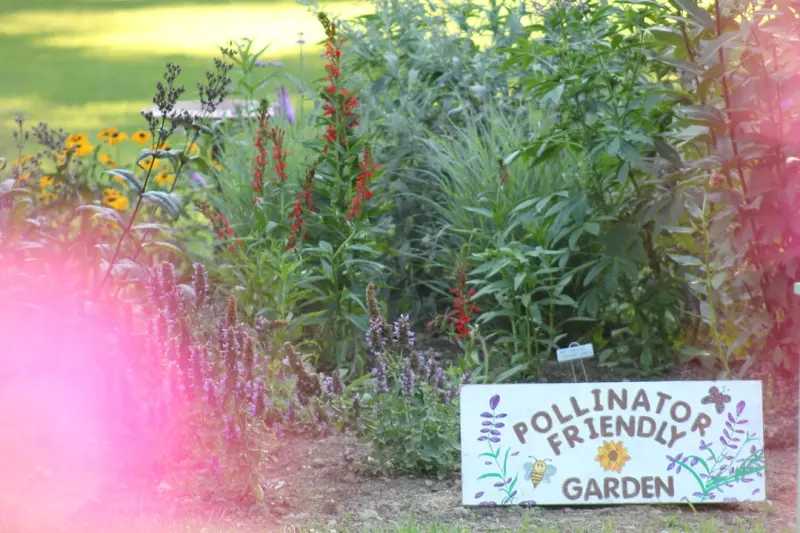
Designing a Pollinator‑Friendly Landscape That Thrives Year‑Round
Discover a fresh approach to landscaping that blends native plants, edible gardens, and waterwise de... Read More
Top Posts

Reconfigurable Flooring: The Unsung Hero of Hybrid Workplaces
Reconfigurable flooring offers a flexible, sustainable, and brand‑enhancing solution for modern hybrid workplaces, delivering acoustic comfort, easy integrati...Read More
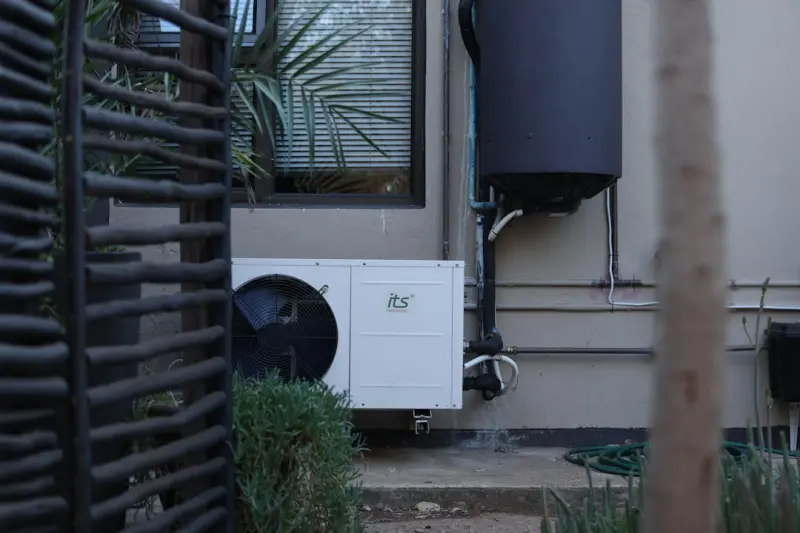
Edge AI: Redefining Residential HVAC Comfort
Edge AI brings instant, privacy‑first decision making to home HVAC, enabling predictive maintenance, dynamic energy savings, and seamless integration with sma...Read More
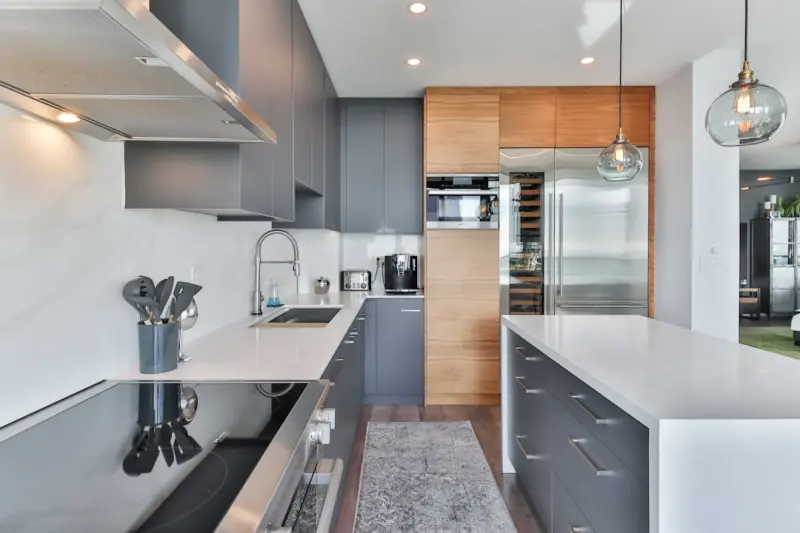
Creating a Wellness‑Focused Kitchen: Health‑Centric Renovation Ideas
Discover how to redesign your kitchen for better air quality, calming light, natural materials, and smart storage, turning the heart of your home into a wellnes...Read More
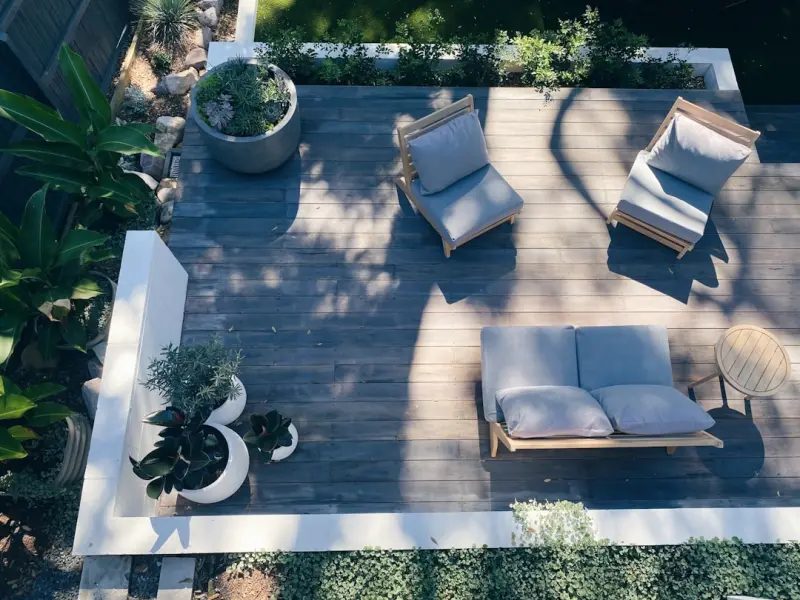
Reinventing Decks: Smart, Sustainable Platforms for Modern Living
Discover the next generation of decks—integrating interactive tiles, solar power, insulation, and autonomous lawn care—to create adaptable, sustainable outd...Read More
0 Comments
Post Comment
You will need to Login or Register to comment on this post!