

Why Landscape Is the Quiet Power Player in Business Spaces
When I first walked onto the rooftop garden of a downtown tech hub, I expected a sleek, Instagram‑ready space. What I found instead was a subtle, breathing backdrop that seemed to soften the concrete jungle and, more importantly, the daily grind of its occupants. That moment reminded me that landscaping isn’t just about aesthetic polish; it’s a strategic asset that can elevate employee well‑being, reinforce brand narrative, and even shave dollars off operating costs. In an age where every square foot is measured for ROI, the outdoor environment deserves a seat at the executive table.
Beyond Curb Appeal: The Business Case for Thoughtful Greenery
Many decision‑makers still view landscaping as a “nice‑to‑have” expense, relegated to the realm of property managers. The reality is far richer. A well‑curated green space can:
- Boost Productivity: Studies show that access to natural light and greenery can increase focus by up to 15% and reduce perceived stress.
- Lower Energy Bills: Strategic plant placement provides shade in summer and windbreaks in winter, cutting HVAC loads.
- Enhance Brand Storytelling: A signature plant palette or garden theme can become a living logo, reinforcing your corporate identity.
- Attract Top Talent: Millennials and Gen Z employees regularly rank sustainable workplaces as a top hiring factor.
All of these benefits compound over time, turning a modest landscaping budget into a long‑term profit driver.
Scaling Biophilic Design: From Pocket Parks to Desk‑Side Greenery
Biophilic design isn’t limited to sprawling corporate campuses. The challenge—and opportunity—lies in translating the principle into varied footprints:
- Pocket Parks: Small, reclaimed plots between buildings can host native shrubs, pollinator‑friendly flowers, and a single seating node. Even a 200‑square‑foot oasis can become a micro‑retreat for lunch breaks.
- Green Walls: Vertical gardens are a space‑saving answer for narrow facades. They act as natural air filters and create a dynamic backdrop for conference rooms.
- Desk‑Side Planters: Portable, low‑maintenance pots let employees bring a slice of nature to their personal workstations, fostering a sense of ownership and calm.
- Roof Terraces: Turning flat roofs into edible gardens or relaxation decks maximizes otherwise wasted real estate.
Each layer adds a tactile connection to the outdoors, and together they weave a continuous thread of nature through the workplace.
Choosing Native & Drought‑Smart Plants: Beauty That Pays for Itself
One of the most common pitfalls is selecting exotic species that look impressive but demand intensive watering, pruning, and chemical inputs. The smarter route is to lean on native, drought‑tolerant varieties. Not only do they thrive with minimal intervention, but they also support local ecosystems—think pollinators, birds, and beneficial insects.
Here are my go‑to categories:
- Groundcovers: Creeping thyme, sedum, and dwarf fescue create a low‑maintenance carpet that stays green longer.
- Shrubs: Serviceberry, ninebark, and red twig dogwood provide seasonal interest without excessive watering.
- Grasses: Switchgrass, blue oat grass, and feather reed grass add texture and movement, while tolerating both heat and occasional drought.
- Edibles: Herbs like rosemary, sage, and oregano double as culinary assets for office kitchens.
If you’re curious how data can guide plant selection, check out our deep dive into commercial landscape resilience. Leveraging soil sensors and climate models can pinpoint the exact species that will flourish on your site, turning guesswork into measurable outcomes.
Seasonal Storytelling Through Landscape Lighting
Lighting isn’t just for safety; it’s a narrative tool. By choreographing light levels, colors, and motion, you can echo seasonal campaigns, product launches, or corporate milestones. Imagine:
- Spring: Soft amber uplighting that highlights blooming dogwoods, paired with gentle music at the entrance.
- Summer: Cool blue washes on a water feature that sync with a brand’s social‑media countdown.
- Fall: Warm, flickering LED “firefly” installations among maples, creating a cozy atmosphere for end‑of‑year gatherings.
- Winter: Subtle white glows that accentuate evergreens, reinforcing a message of endurance.
Smart controllers let you program scenes months in advance, and many systems integrate with building management platforms, ensuring the lighting schedule aligns with occupancy patterns and energy targets.
Integrating Technology: Sensors, Smart Irrigation, & Data‑Driven Care
The future of landscaping isn’t a rustic return to manual watering cans; it’s an intelligent ecosystem that talks to you. Key tech components include:
- Soil Moisture Sensors: Deployed at root depth, they send real‑time data to a cloud dashboard, prompting irrigation only when necessary.
- Weather‑Linked Controllers: By pulling hyper‑local forecasts, these devices pause watering ahead of rain, saving thousands of gallons annually.
- Drone‑Based Health Audits: Periodic aerial scans detect stress signs—yellowing, wilting, pest hotspots—before they become visible to the naked eye.
- Dynamic Facades: As explored in Dynamic Facades, movable shading panels can respond to sunlight intensity, protecting both plantings and interior spaces.
When these tools work in harmony, maintenance staff shift from reactive firefighting to proactive stewardship, dramatically reducing labor hours and chemical usage.
Case Study: A Boutique Firm’s 12‑Month Transformation
Background: A 7,500‑sq‑ft architectural studio located in a historic district wanted to revitalize its front alley without altering the protected façade.
Approach: We introduced a layered design:
- Day‑zero: Installed permeable pavers and a rain garden to manage runoff.
- Month 2: Planted a mix of native wildflowers (black-eyed Susan, coneflower) and low‑maintenance ornamental grasses.
- Month 4: Added a vertical moss wall on the side of the building, illuminated with programmable LED strips for evening events.
- Month 7: Integrated a smart irrigation hub linked to a local weather API, cutting water consumption by 42%.
- Month 10: Rolled out seasonal lighting scenarios aligned with the firm’s quarterly design showcases.
Results: Within a year, employee surveys reflected a 23% increase in “space satisfaction,” client foot traffic rose by 15%, and the firm saved approximately $8,500 in energy and water costs. The alley has become a branded backdrop for social media, generating organic reach that the studio had previously struggled to achieve.
Practical Steps for Your Next Landscape Project
Ready to turn green ideas into tangible outcomes? Follow this roadmap:
- Audit the Site: Map sunlight patterns, wind corridors, and existing soil conditions. Simple tools like a solar pathfinder or a soil test kit can reveal hidden constraints.
- Define Objectives: Is your priority employee wellness, brand storytelling, or cost reduction? Clear goals guide plant selection, lighting design, and technology investment.
- Choose a Plant Palette: Prioritize native species, consider bloom sequence for year‑round interest, and plan for maintenance cycles.
- Sketch the Layout: Use free design software or a hand‑drawn plan to visualize traffic flow, seating zones, and visual sightlines.
- Integrate Smart Systems: Install moisture sensors and weather‑linked controllers early to avoid retrofitting later.
- Plan Lighting Narratives: Draft a seasonal lighting calendar that dovetails with marketing campaigns and employee events.
- Engage Stakeholders: Involve employees, facilities staff, and local community groups early to build advocacy and uncover hidden needs.
- Implement & Iterate: Launch in phases, collect data on water usage, foot traffic, and employee feedback, then refine the design.
Closing Thoughts
Landscaping is no longer a decorative afterthought; it’s a multidimensional lever that can shift culture, cut expenses, and broadcast your brand’s values without saying a word. By embracing native plant palettes, weaving in seasonal lighting narratives, and letting technology handle the mundane, you create a living, breathing extension of your office that works for both people and the planet. The next time you walk past that under‑utilized lot or barren rooftop, imagine the conversations, ideas, and quiet moments that could flourish there—and then make it happen.

When it comes to the world of blogging and writing, Rose DesRochers is a name that stands out. Her passion for creating quality content and connecting with her audience has made her a trusted voice in the industry. Aside from her skills as a writer and blogger, Rose is also known for her compassionate nature.
Related Posts
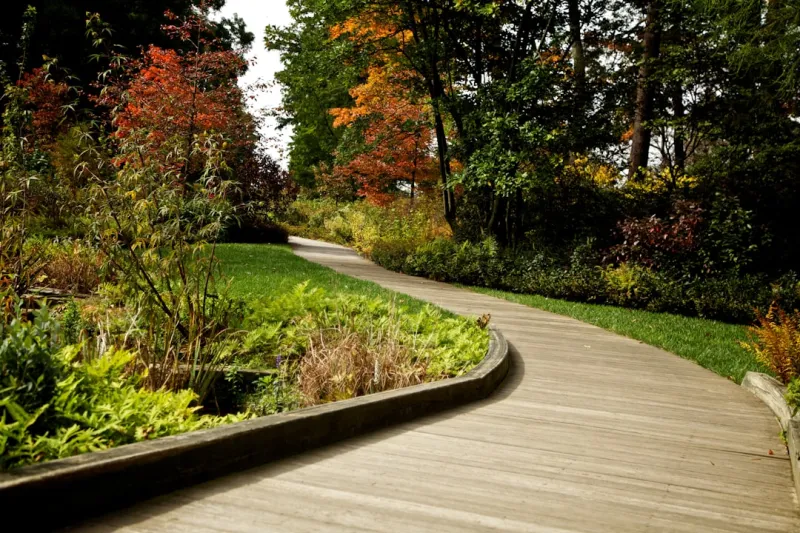
Transform Your Yard: Sustainable Landscaping Strategies That Wow
Explore practical, sustainable landscaping techniques—from soil health to solar lighting—that cr... Read More

Designing Sound-Responsive Landscapes: Turning Outdoor Spaces into Auditory Experiences
Landscaping isn’t only visual; it’s auditory too. This article reveals how strategic plantings, ... Read More

The Intersection of Landscaping and Sustainable Home Design
Sustainable landscaping is a critical component of sustainable home design. Learn how to create a be... Read More
Top Posts

Modular Home Construction: The Quiet Revolution Redefining Speed and Quality
Modular construction is reshaping residential building by delivering custom, high‑quality homes faster and greener than traditional methods, thanks to factory...Read More
Why Proactive Property Maintenance Pays Off More Than You Think
A practical guide to turning routine upkeep into a profit‑driving strategy, with seasonal checklists, cost‑saving tips, and real ROI insights for property o...Read More

Why Subscription Handyman Services Are the Future of Home Maintenance
Subscription handyman services are reshaping home care by offering predictable pricing, proactive maintenance, and eco‑friendly practices, creating a seamless...Read More
Turning Decks into Intelligent Outdoor Interfaces
Discover how to transform a traditional deck into an intelligent platform that monitors conditions, generates power, and integrates with building systems for pr...Read More
0 Comments
Post Comment
You will need to Login or Register to comment on this post!